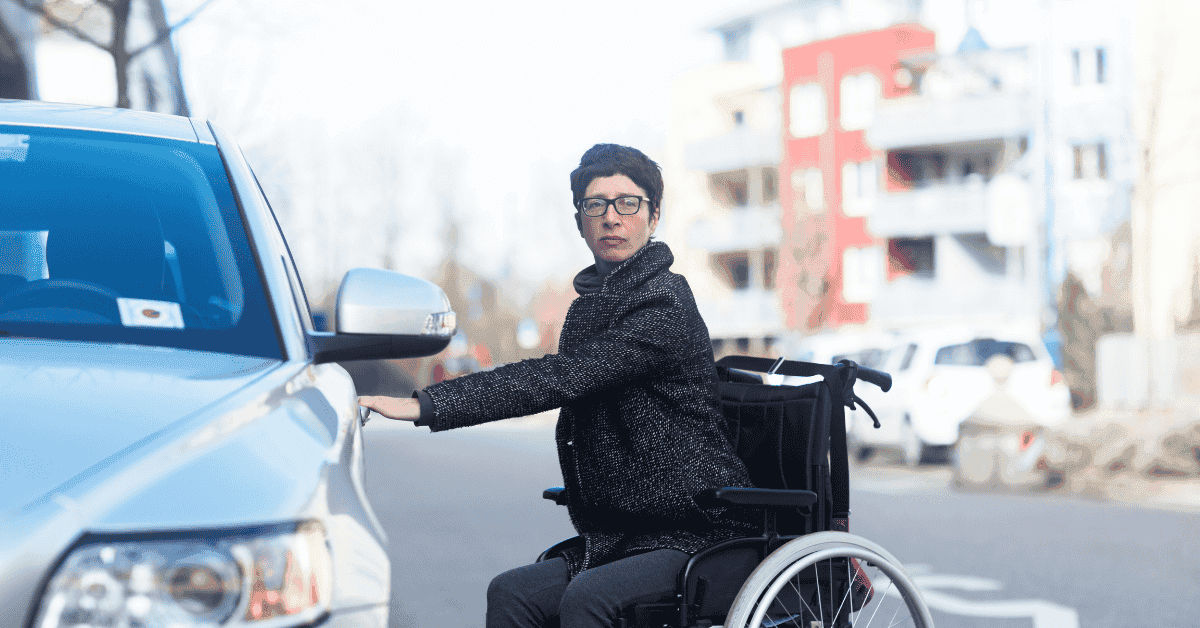
A Danish mother is fighting to change the law after discovering she cannot legally install safety barriers to prevent her developmentally disabled daughter from falling from their first floor apartment. The case exposes gaps in Denmark’s disability housing protections that leave vulnerable residents at risk while their families struggle with bureaucratic obstacles.
I have lived in Denmark long enough to know that the system prides itself on protecting the vulnerable. Universal healthcare. Strong social safety nets. A society built on principles of care and equality. But every so often a case surfaces that reveals the cracks, and this one is hard to ignore.
When Safety Meets Red Tape
As reported by TV2, a mother in Denmark faces an impossible choice. Her daughter, who has developmental disabilities, lives in a first floor apartment where the risk of falling poses a constant danger. The logical solution would be installing protective barriers. But current regulations prevent her from making the modifications needed to keep her child safe.
The mother has taken her fight to lawmakers, pushing for legal changes that would allow families in similar situations to protect their disabled family members without navigating an impossible maze of restrictions. It is a straightforward case of safety versus bureaucracy, and right now bureaucracy is winning.
The Paradox of Danish Disability Support
Denmark has a comprehensive system for supporting people with disabilities. The healthcare system provides extensive services. Social support structures exist on paper. Yet when it comes to practical matters like modifying housing for safety, families hit walls.
Building regulations in Denmark are strict, governed by codes that prioritize aesthetics, historical preservation, and standardization. These rules exist for good reasons. They maintain architectural integrity and ensure consistent standards across housing. But they were not written with the specific needs of disabled residents in mind, particularly those who require physical modifications to prevent injury.
The gap between policy intent and practical reality becomes painfully clear in cases like this. A mother knows her daughter is at risk. The solution is obvious and achievable. But the legal framework treats building modifications as violations rather than necessary accommodations. For families already managing the demands of childcare for a disabled child, adding legal battles to the burden is crushing.
What This Means for Vulnerable Families
I think about the expat families I know here raising children with special needs. Denmark attracted many of us with promises of strong social support and inclusive values. Those promises hold true in many ways. Schools accommodate different learning needs. Healthcare covers therapies. But housing remains a persistent problem.
Rental agreements often prohibit modifications. Cooperative housing boards vote down accessibility changes. And now we see that even when a family wants to pay for safety measures themselves, the law can stand in the way. The result is that vulnerable people live in environments that put them at unnecessary risk, while their families watch helplessly or exhaust themselves fighting bureaucracy.
The Broader Housing Challenge
This case also highlights Denmark’s ongoing struggle with accessible housing supply. Wait lists for disability adapted apartments stretch for years. Private market options are limited and expensive. Families end up making do in housing that does not meet their needs because better options simply do not exist.
The mother’s push to change the law could open doors for other families trapped in similar situations. If successful, it would establish a precedent that safety considerations for disabled residents should override standard building restrictions. That seems like common sense, but common sense and Danish bureaucracy do not always align.
Beyond Individual Cases
What strikes me about this situation is how it forces a broader question about priorities. Denmark dedicates significant resources to disability support through taxation and public services. Yet when an individual family identifies a specific, solvable safety risk, the system cannot accommodate them without a legal fight.
Organizations supporting disability rights have long argued for more flexibility in housing regulations. Some families have found workarounds through appeals to local authorities or special exemptions, but these processes take time that families with immediate safety concerns do not have. Meanwhile, support networks for parents of disabled children report increasing frustration with housing obstacles.
The outcome of this mother’s effort to change the law will matter far beyond her own family. It will signal whether Denmark’s celebrated social model can adapt when confronted with gaps between policy and lived reality. For now, a girl remains at risk of falling, and her mother remains blocked from protecting her. That is not the Denmark that sells itself to the world, but it is the Denmark some families live in every day.
Sources and References
TV2: Developmentally disabled girl risks falling from first floor, so mother must change the law to protect her
The Danish Dream: Childcare in Denmark guide for expats
The Danish Dream: Danish healthcare explained for tourists and expats
The Danish Dream: More men seek support in dad cafes organized by Mødrehjælpen