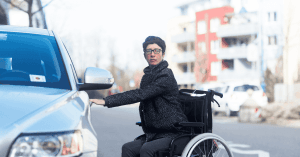
A drunk driver who killed 13-year-old Anna Sveistrup in 2023 walked away with a suspended 60-day sentence and 20 hours of community service, despite a blood alcohol level of 2.5 promille. Her mother called the April 2026 ruling unfair to Anna, her family, and Danish society. It reignites a simmering debate about whether Denmark’s lenient approach to traffic crimes prioritizes rehabilitation at the expense of justice.
Anna Sveistrup died on September 15, 2023, after being hit by a car driven by a 45-year-old man near Aarhus. Nearly three years later, on April 22, 2026, the court delivered its verdict. The driver, who had no prior criminal record, received a conditional sentence and community service instead of prison time. As reported by TV2, the family considers the punishment inadequate for the irreversible loss they have suffered.
I have lived in Denmark long enough to know that this sentence is not an aberration. It follows a well-worn pattern in the Danish legal system, where suspended sentences dominate traffic fatality cases. In 2025, 72 percent of drunk driving perpetrators received suspended or reduced sentences, according to Kriminalrådet data. Of the 28 fatal drunk driving accidents that year, 12 involved minors. The judiciary leans heavily on rehabilitation over retribution, especially for first-time offenders who show remorse. The driver in Anna’s case cooperated with authorities, a factor that weighed in his favor.
Denmark’s Rehabilitation Paradox
Under Danish law, aggravated drunk driving causing death can carry up to 12 years in prison under Straffeloven § 263. But the reality is far softer. The average effective sentence for similar cases between 2023 and 2025 was just 1.2 years, often suspended. Courts prioritize mitigating factors like lack of prior convictions and defendant cooperation. Prosecutors in Anna’s case sought 18 months unsuspended. The judge overruled them.
Denmark’s approach reflects a broader welfare state philosophy that treats offenders as candidates for redemption rather than punishment. Rehabilitation programs boast a 90 percent completion rate and reduce reoffending by 40 percent. Legal experts like Professor Jacob Stuebing from Copenhagen University argue that suspended sentences work for low-recidivism cases. A DR poll found that 55 percent of surveyed jurists approved of the sentence in Anna’s case. But that leaves 45 percent who did not, and the public is even more skeptical. A separate Voxmeter poll showed only 32 percent approval. A petition demanding a retrial gathered over 12,000 signatures within hours of the verdict.
Living here, I have seen how Denmark prides itself on being a safe place to live, with low crime rates and a humane justice system. But when a child dies and the perpetrator serves no prison time, that safety feels conditional. Conditional on who you are, where you are, and what the court decides remorse looks like.
The Cost of Leniency
Critics argue that suspended sentences erode deterrence. Victim advocacy group Tryggefonden called the ruling a slap on the wrist, stating that society is failing its victims. Politicians from Enhedslisten and the Danish People’s Party are pushing for mandatory minimum sentences for cases involving child victims. A 2025 bill, F 45, is pending in Folketinget and could raise sentencing floors. Justice Minister Lars Løkke Rasmussen announced a review of child victim guidelines on the morning of the verdict, acknowledging the family’s concerns.
Compared to its neighbors, Denmark is an outlier. Sweden mandates two to six years for similar offenses, with an average of four years served. Germany averages seven years. Denmark’s leniency correlates with higher road death rates. Denmark recorded 4.2 road deaths per 100,000 people in 2025, compared to Sweden’s 2.1. Child pedestrian deaths spiked by 12 percent in 2025, even as overall drunk driving fatalities declined by five percent.
I think about this every time I cross a street with my kids. Denmark feels safe until it does not. The numbers tell a story of a system that works well for most but fails catastrophically for some. The EU Commission urged harmonization of traffic penalties in a 2026 Green Paper, and Denmark’s model now faces scrutiny from international road safety groups.
A Family’s Fight
Anna’s mother spoke for the family, expressing frustration that the punishment does not reflect the gravity of the crime. She did not just lose her daughter. She lost faith in the system’s ability to deliver proportional justice. The family is planning to appeal the verdict, according to reports from April 22. They are not alone. Over 5,000 social media mentions followed the mother’s TV2 interview, many expressing solidarity and outrage.
The case also echoes broader issues Denmark has faced with justice and accountability, from the country’s reckoning with alleged illegal adoptions to debates about legal frameworks that struggle to balance harm prevention with human rights. It is a nation that wants to be compassionate and fair, but sometimes those values collide.
Denmark’s judicial system saved the state approximately DKK 500,000 per taxpayer by avoiding incarceration in this case. But what is the cost to a family who will never see their daughter again? What message does it send when 20 hours of community service is the price for taking a life while drunk behind the wheel? A Folketinget hearing is scheduled for May 2026. Until then, Anna’s family waits, and so does the rest of Denmark.
Sources and References
The Danish Dream: Is Denmark a Safe Place to Live
The Danish Dream: Denmark Faces Scrutiny Over Alleged Illegal Adoptions
The Danish Dream: Is Prostitution Legal in Denmark
TV2: Mor til 13-årige Anna Sveistrup