


Electricity and energy in Denmark works differently than in many other countries. While the physical power grid is regulated and stable, the electricity market itself is competitive. This means you can choose your electricity provider, but it also means prices can vary.
For foreigners, the Danish electricity system can initially feel complex. Bills include several components, prices fluctuate hourly, and contract types differ between providers. Once you understand how the system is structured, however, it becomes much easier to navigate.
This guide explains how electricity in Denmark works, what affects the price of electricity in Denmark, and what foreigners, including those living in Copenhagen, should understand before signing a contract.
Key Points – Danish Electricity Explained
- Denmark has a liberalised electricity market
- You can choose your electricity provider
- Electricity prices include market rates, grid fees, and taxes
- Prices fluctuate throughout the day
- Green energy plays a major role in Danish electricity production
✔ Updated for 2026
✔ Written for foreigners living in Denmark
How the Danish Electricity System Works
Denmark separates electricity production, grid operation, and electricity sales.
The national grid ensures stable delivery of power across the country. Private companies, however, compete to sell electricity to consumers. This structure allows you to switch electricity providers without changing your physical connection.
No matter which provider you choose, the electricity comes from the same grid. What changes is the pricing model, contract structure, and customer service.
What Determines the Electricity Price in Denmark?
The electricity price in Denmark consists of three main components:
- The market price of electricity
- Grid and distribution fees
- Taxes and public service obligations
The market price fluctuates hourly based on supply and demand in the Nordic energy market. Grid fees and taxes remain relatively stable but make up a significant part of the total cost.
Because of this structure, the price of electricity in Denmark can appear high compared to other countries, even though only part of the bill depends on your chosen provider.
💡Important
Only part of your electricity bill depends on your provider. Taxes and grid fees remain the same regardless of who you choose.
Electricity in Copenhagen
Electricity in Copenhagen follows the same national rules as elsewhere in Denmark. You can choose from national electricity providers, and the pricing structure is identical.
If you notice a higher electricity bill in Copenhagen, it is usually due to consumption levels, housing size, or contract type , not location-specific pricing differences.
Understanding your contract matters more than your postcode.
Danish Electricity and Green Energy in Denmark
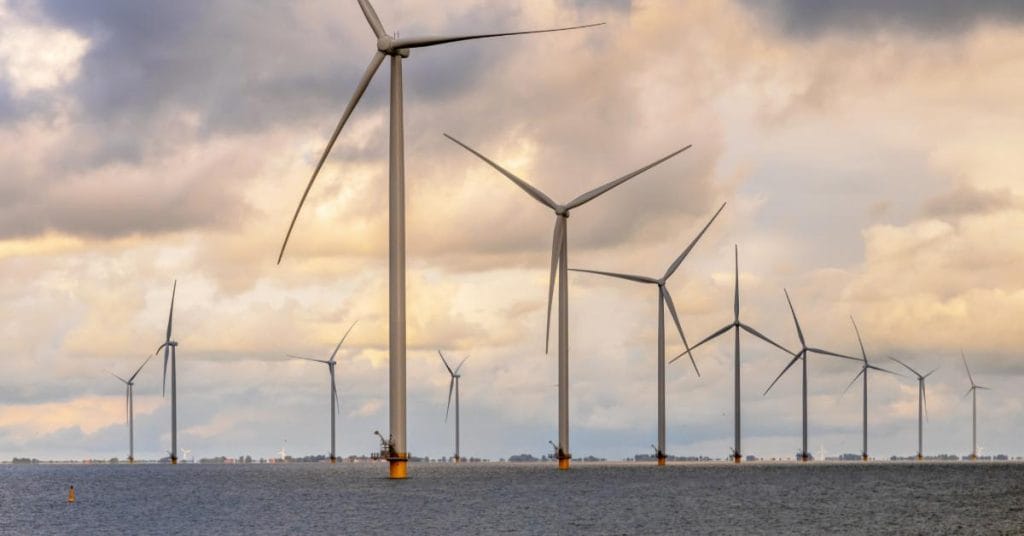
Denmark is known for its strong focus on renewable energy. Wind power plays a major role in Danish electricity production, alongside solar and biomass.
This commitment to green energy contributes to market fluctuations, since renewable energy production depends on weather conditions. On windy days, electricity prices may drop. During periods of low wind, prices can rise.
For foreigners, this explains why electricity prices sometimes change noticeably from one day to the next.
Should Foreigners Compare Electricity Providers?
Although this page focuses on how electricity works, understanding the system naturally leads to the next question: should you compare providers?
Because only part of your bill depends on your chosen supplier, comparison does not eliminate taxes or grid fees — but it can affect the energy portion of your bill and the contract terms.
If you want to explore your options, you can see our guide to the Best Electricity Provider in Denmark for Foreigners for a comparison overview.
Fixed vs Variable Electricity Contracts
When choosing an electricity contract, you typically encounter two main types:
A fixed-price contract locks in a rate for a defined period. This provides stability but may be higher than market prices at certain times.
A variable-price contract follows the market more closely, which can result in lower costs during favourable periods, but also higher bills during spikes.
Understanding this difference helps you choose a contract that matches your risk tolerance and budget.
Why Electricity Prices in Denmark Fluctuate
Electricity prices respond to supply and demand across the Nordic and European markets. Weather conditions, energy production levels, and geopolitical factors all influence the market price.
As a result, the Denmark energy price can vary not only seasonally but even hourly. Some contracts allow you to benefit directly from these fluctuations, while others smooth them out over time.
This flexibility is one of the defining features of the Danish electricity market.
Find an Electricity Provider That Fits Your Needs
You don’t have to read to the end to know what the best electricity provider for you is. With electricity prices fluctuating in recent years, more and more Danes are looking for ways to cut their bills. By switching providers, you could save up to 2,800 DKK annually – completely free and without obligation.
The comparison tools makes it easy to compare the fees and prices of various electricity providers in Denmark according to your needs.

How Energy Is Supplied in Denmark
Denmark boasts a modern and highly reliable energy infrastructure that seamlessly integrates electricity, heating, and gas to effectively power homes, businesses, and various other establishments across the country. In the graph below, you can see the energy sources by type in Denmark. Wind, solar, and hydro energy is on the rise, while coal has been significantly out-phased over the past thirty years.
It can be very hard to know exactly where the energy in your household comes from. But providers get better and better at providing more information about the energy sources, if you want to know more about that.

Electricity & Energy in Denmark
Electricity in Denmark is delivered through a well-maintained national grid. The country relies heavily on renewable energy, with wind power accounting for nearly 50% of electricity generation in recent years, according to this report from the Danish Energy Agency. Most households are connected to the public grid, and electricity can be purchased from a variety of providers under fixed or variable contracts.
Energy prices can fluctuate significantly in Denmark, simply depending on whether the wind is turning the Danish windmills or not. When the wind is strong, the energy price can fall to negative in Denmark. Typically, the price for a KwH is around 1-2 DKK, and a price of 5 KwH would be considered high.
💡To put this in perspective:
You might have an electrical vehicle in your garage with a battery of 70 kW. To charge it from 0% to 100% would thus cost you 70 DKK if the kWh price is 1 DKK.
Denmark imports power from Sweden and Norway, while exporting energy to Germany and the Netherlands. Because the production of energy in Denmark fluctuates according to the wind speed, Denmark is reliant on the energy grid in Europe.

Heating
Many Danish homes use district heating systems, especially in cities and apartment complexes. District heating delivers hot water or steam from a central plant to multiple buildings. In rural areas or single-family homes, individual heating systems such as gas boilers, heat pumps, or electric heaters are more common.
District heating bills are usually separate from electricity bills and are based on consumption. It has long been the go-to and most popular form of heating in Denmark. However, due to higher prices, some municipalities can no longer compete with the lower price of natural gas. As prices fluctuate in the markets, Danish households have to consider not only the short-term energy bill, but also the total cost over 10 and 20 years.
Gas
Natural gas is less common than electricity and district heating but is still used in some homes for heating and cooking. Gas supply is managed by regional companies, and bills depend on both consumption and delivery fees.
Natural gas has gained a strong comeback lately, as prices of gas have reduced, while the price of district heating has increased for new installations.
Denmark has traditionally been a net exporter of natural gas from the North Sea gas and oil fields.
Renewables and Sustainability
Denmark’s energy system is increasingly green, with a significant share coming from wind, solar, and biomass. Households connected to renewable energy often benefit from government incentives, including reduced tariffs or subsidies for energy-efficient appliances.
By understanding how electricity, heating, and gas work in Denmark, you’ll be better prepared to choose the right services and manage your energy costs effectively.
Energy in Denmark: Understanding Your Bill
Energy bills in Denmark can seem complicated at first, especially for newcomers. They typically include several components:
- Consumption charges: The cost of electricity or gas you actually use, usually measured in kWh.
- Delivery fees: Charges for transporting energy to your home via the grid.
- Taxes and duties: Denmark applies various energy taxes and VAT on electricity and heating.
- Metering costs: Small fees for maintaining and reading your electricity or heating meter.
Bills are usually issued monthly or quarterly, depending on your provider. Many energy companies now offer online accounts where you can monitor usage, pay bills, and even compare your consumption with similar households.
Foreigners should also be aware of “prepayment” and “post-payment” options. Some providers may require a deposit or advance payment when setting up your account, especially if you are new to the country and don’t yet have a credit history in Denmark.
Setting Up Electricity & Energy in Denmark
Getting your energy set up is usually straightforward, but there are a few steps to keep in mind:
- Register your address: Energy providers need your CPR number (the Danish personal identification number) and your address. If you are renting, your landlord may help with initial setup.
- Choose a provider: You can compare electricity, gas, or heating providers online. Many offer fixed or variable contracts, and prices can vary significantly.
- Sign a contract: Contracts usually last 12–24 months. Make sure to read the terms carefully, including cancellation policies and any fees.
- Schedule installation or meter reading: For some services, especially gas or district heating, a technician may need to visit your home.
- Set up payments: Most providers use automatic payments via your bank (NemKonto). Some may allow credit card or online payments.
Once your services are active, monitor your bills regularly and consider energy-saving practices, such as using LED lighting, energy-efficient appliances, and smart thermostats to reduce costs.
What the Numbers Say About Electricity & Energy in Denmark
Understanding the broader energy landscape in Denmark can help you make informed decisions about your energy usage and costs. Here are some key statistics and insights:
According to Statistics Denmark, the average Danish household spent DKK 23,444 on energy in 2023, encompassing electricity, gas, and other fuels. Notably, approximately one-third of this amount was allocated to electricity expenses.
As of the second half of 2024, the price of electricity for households with normal consumption was 2.8 DKK per kWh.
Denmark’s commitment to sustainability is evident, with 45.2% of total final energy consumption sourced from renewable energy in 2023.
In 2022, Denmark’s primary energy consumption per capita was approximately 33,538 kWh, reflecting the nation’s energy usage trends.
Final Thoughts – Electricity & Energy in Denmark for Foreigners
Electricity in Denmark operates within a stable and regulated framework, but pricing remains dynamic. For foreigners, the key is understanding how the system is structured before choosing a contract.
Once you understand the components of your electricity bill, it becomes much easier to evaluate providers and avoid surprises.
Informational · Clear overview · No obligation
FAQ About Electricity & Energy in Denmark
Are electricity bills high in Denmark?
Electricity prices in Denmark are among the higher rates in Europe, mainly due to taxes and renewable energy funding. As of 2024, the average household pays roughly 2.8 DKK per kWh. Your total bill depends on usage, time of day (if you have a variable-rate plan), and your energy provider. Energy-efficient homes and appliances can significantly reduce monthly costs.
Can I choose green energy in Denmark?
Yes. Virtually all energy providers offer renewable energy plans sourced from wind, solar, or biomass. Denmark is a global leader in wind energy, and many providers default to green or carbon-neutral electricity. You can also choose certified renewable plans (such as those with “GO” certificates) to ensure your energy comes from verified sustainable sources.
How is consumption of energy in Denmark measured?
Electricity use is measured in kilowatt-hours (kWh) based on readings from your smart meter. Most Danish homes have digital meters connected automatically to the supplier’s network. Gas and district heating are measured separately, gas in cubic meters and heating in megawatt-hours or based on estimated energy usage for your property.
Are there any government subsidies or support for energy in Denmark?
The Danish government occasionally offers temporary compensation schemes or rebates during periods of high energy prices, especially for low-income households. Support may come through your municipality, social benefits, or direct tax relief. You can check Borger.dk or your utility company’s website for current support programs.
How do I switch energy providers?
Switching is straightforward and free of charge. You simply sign up with your new provider, who will handle the entire transfer process, including notifying your current supplier. There is no interruption to your electricity supply. It’s advisable to compare prices and green energy options on platforms like Elpris.dk before making a switch.
Are electric vehicles (EVs) supported in Denmark?
Yes. Denmark actively promotes electric mobility. Many energy providers offer home charging packages and discounts for off-peak charging. Public charging stations are widely available and often compatible with universal charging apps. Some municipalities even provide lower parking fees or free charging for EVs.
How can I reduce my electricity costs?
You can lower electricity expenses by using smart thermostats, switching to LED lighting, limiting standby consumption, and using appliances during off-peak hours if your plan supports time-of-use pricing. Installing solar panels or joining local energy communities can also help offset your energy bill over time.
Who regulates the electricity market & Energy in Denmark?
The Danish Energy Agency (Energistyrelsen) oversees energy policy, market regulation, and renewable initiatives. Energinet, the national transmission operator, manages the electricity grid and ensures stability and security of supply.
What happens if I move to a new home?
When moving, you need to register with a new energy provider for your address. It’s best to do this at least a few days before you move in to ensure service continuity. Most providers allow you to set up or update your contract online.
Affiliate Disclosure
This page contains affiliate links. If you use our links to explore electricity providers, we may receive a commission at no extra cost to you.
