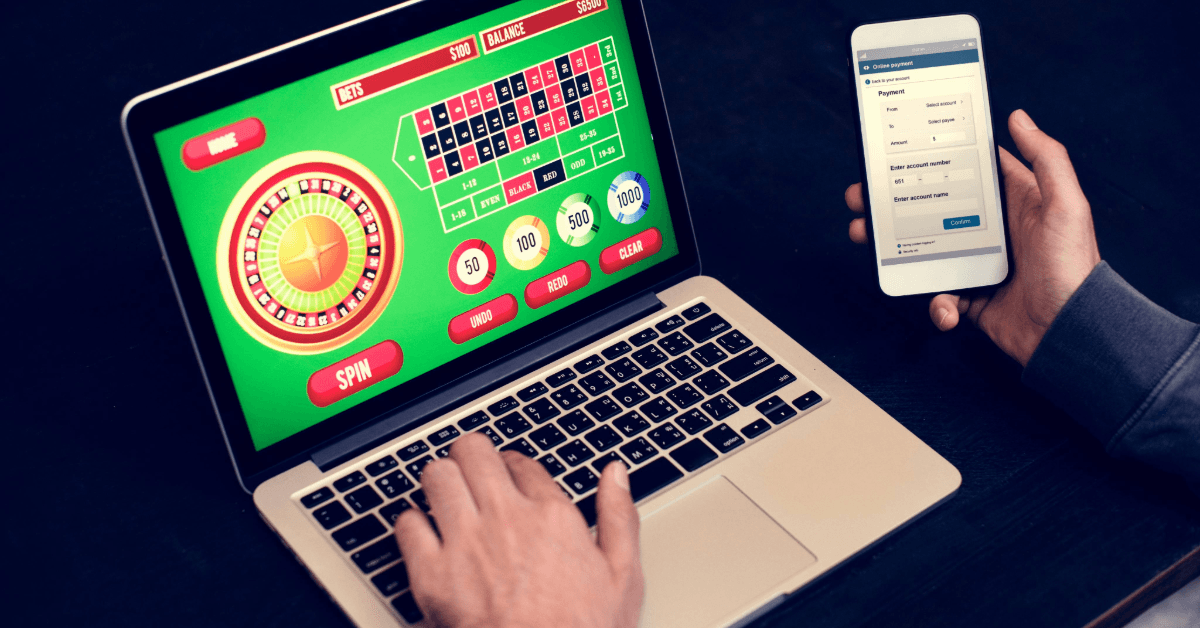
A Danish casino offered a customer illegal kickbacks, promising that authorities would never find out. The scandal exposes gaps in Denmark’s otherwise strict gambling oversight just as political chaos from the March election distracts from enforcement. It’s a reminder that even Denmark’s legendary regulatory framework has cracks.
I’ve lived in Denmark long enough to know that “bananpenge” isn’t about fruit. It’s slang for under-the-table cash, the kind of payment that doesn’t show up on tax forms or compliance reports. When TV2 reported on April 17 that a popular casino had made such an offer to a customer, complete with the brazen assurance that no one finds out, it punctured a hole in Denmark’s carefully maintained image of clean business practices.
The gambling industry here operates under Spillemyndigheden, the gambling authority that has regulated online casinos since 2012. Denmark liberalized its gambling market that year to align with EU rules, allowing 25 licensed operators to compete in what’s now a DKK 7.5 billion annual market. The system works, mostly. Licensed casinos pay a 35 percent tax. Players get protections up to DKK 100,000 if an operator collapses. Problem gambling rates sit at just 0.5 percent of adults, far below the EU average of 4 percent.
When Regulation Meets Reality
But this case shows what happens when insiders decide the rules don’t apply. The TV2 article describes an unnamed individual approached by a casino, likely one of the big licensed players like RoyalCasino or similar operators that dominate Danish online gambling. The offer was simple and illegal: take payments that won’t be documented, that Spillemyndigheden won’t see, that the tax authorities won’t touch. The promise that accompanies it, that discovery is impossible, should worry anyone who thinks Denmark has this figured out.
I’ve written about life in Denmark for years, and one constant is the trust Danes place in institutions. That trust isn’t misplaced, but it creates blind spots. When a casino can openly suggest breaking the law to a customer, it suggests enforcement isn’t as tight as the government claims. Spillemyndigheden blocked 1,200 illegal sites in 2025 and recovers around DKK 200 million in player funds annually. Those are solid numbers. They don’t catch everything.
Political Timing and Distraction
The timing complicates matters. Denmark held a snap general election on March 24, called by Prime Minister Mette Frederiksen in February amid tensions with the Trump administration over Greenland. Her Social Democrats won 38 seats with just 21.9 percent of the vote, their worst performance since 1903. No bloc secured a majority. The Moderates became kingmakers. Coalition talks have dragged on for weeks, consuming political bandwidth that might otherwise go to cracking down on gambling violations.
This isn’t the first gambling scandal Denmark has faced. Vera&John paid a DKK 5 million fine in 2022 for bonus violations. Danske Bank’s money laundering ties in 2023 touched casino transactions. But those cases had clear outcomes. This one has disappeared into the noise. I’ve checked DR, Politiken, and other outlets. Nothing since the original TV2 report. Spillemyndigheden hasn’t commented publicly. The story should have legs, but it’s being ignored.
What Expats Need to Understand
For expats, this matters because it reveals how Danish systems work when pressure mounts elsewhere. The country ranks first globally on Transparency International’s corruption index. That reputation is earned. But it also means that when cracks appear, they get papered over quickly. Understanding Danish phrases like “bananpenge” helps decode these moments when the veneer slips.
The gambling industry employs 5,000 people and generates DKK 2 billion in tax revenue. That’s real money supporting real jobs. Industry groups argue that strict enforcement drives customers to unlicensed offshore sites, which cost the state an estimated DKK 500 million in lost taxes in 2024. They push for self-regulation. The government and addiction groups counter that 30,000 Danes struggle with gambling problems, and protections matter more than profits.
What Happens Next
The EU is pushing harmonization through a draft directive that could raise Denmark’s minimum gambling age to 21 and mandate AI monitoring for suspicious activity. Denmark already leads Europe on player protections. Whether this scandal prompts tougher domestic rules depends on whether politicians notice. Right now, they’re too busy negotiating who gets which ministry.
I expect Spillemyndigheden will eventually investigate, issue a fine if the casino is identified, and move on. The real question is whether anyone will ask why a licensed operator felt comfortable making an illegal offer in the first place. That question deserves an answer, but I’m not holding my breath while coalition talks stumble forward. Denmark’s system works until it doesn’t. This is one of those moments.
Sources and References
The Danish Dream: Danish Phrases and Sayings You Need to Know
The Danish Dream: Top 20 Things About Living in Denmark
The Danish Dream: Article
TV2: Han blev tilbudt ulovlige bananpenge af populært kasino