


Fitness is deeply embedded in Danish everyday life, not only as a way to stay healthy but also as part of social and cultural routines. Danes value balance and well-being, and this is reflected in how they approach exercise. Whether it’s cycling to work, joining a local football club, working with a personal trainer, or taking a yoga class after work, physical activity and fitness in Denmark is considered a natural part of daily life.
For foreigners, this means there are many entry points into the fitness culture. Most larger cities like Copenhagen, Aarhus, and Odense have a wide range of gyms, yoga studios, and sports clubs. Outdoor exercise is also very popular, with running tracks, public parks, and free outdoor gym facilities provided by municipalities. What makes fitness in Denmark particularly appealing is that most services are foreigner-friendly, with instructors often speaking English and gyms welcoming international members.
In this guide, we write everything you need to know about fitness in Denmark, and give you good tips to navigate the field.
Here are the key points in this article:
- Prevalence of Fitness Culture in Denmark: Fitness is integral to Danish daily life, reflecting values of balance and well-being, with activities like cycling, sports, and yoga being common among locals and accessible to foreigners.
- Availability of Gyms and Exercise Options: Most Danish cities have a wide range of gyms, fitness centers, and outdoor exercise facilities, many of which are foreigner-friendly, with English-speaking instructors and inclusive environments.
- Cost and Types of Fitness Services: Fitness services in Denmark vary from budget gyms costing around 200–300 DKK monthly to premium centers exceeding 500 DKK, and include activities like yoga, personal training, and outdoor fitness.
- Fitness Trends and Participation in Denmark: Danish residents demonstrate high activity levels, with over half engaging in regular aerobic exercise, though some still fall short of WHO recommendations, amid a growing number of commercial fitness centers.
- Guidelines for Foreigners Accessing Fitness in Denmark: Foreigners can join gyms without a CPR number, with costs typically between 200–400 DKK per month, and can find English-taught classes, personal trainers, and flexible membership options.
If you are looking for more in-depth guides on specific matters related to fitness in Denmark, you may want to read our other guides, in which we dive deeper into these areas:
- Best Yoga studios in Denmark for foreigners
- Best Meditation studios in Denmark for foreigners
- Best Personal trainers in Denmark for foreigners
- Best Gyms in Denmark for foreigners
Gyms, Exercise, and Fitness in Denmark
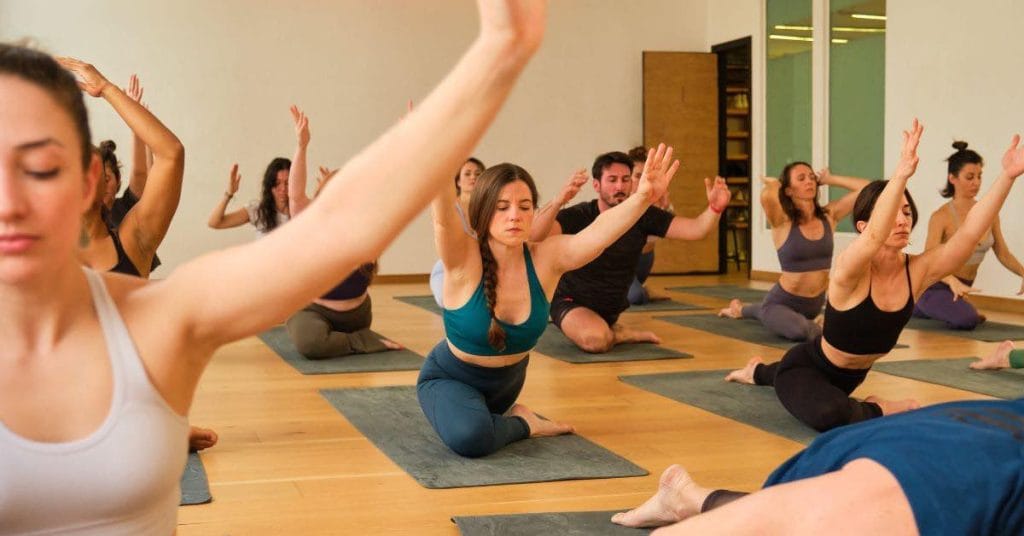
Gyms are among the most common fitness options in Denmark and are available in nearly every city and town. They vary widely in style, size, and price, from budget-friendly chains to high-end centers offering spa and wellness services.
- Budget gyms such as Pure Gym or Urban Gym typically charge between 200–300 DKK per month and provide the essentials: weight training equipment, cardio machines, and group classes.
- Mid-range gyms often offer more variety in classes, better facilities, and sometimes extended opening hours.
- Premium gyms like SATS or repeat boutique fitness centers can cost upwards of 500–700 DKK per month, with access to wellness zones, saunas, and more personalized training.
Most gyms operate on a monthly membership model, with flexible cancellation terms, though some may require a minimum subscription period. Almost all gyms have apps for booking classes, and many run introductory offers where new members get the first month at a discount or a free trial session.
If you’re interested in exploring your options, you may want to read our dedicated guide on the best gyms in Denmark for foreigners.
Yoga, Meditation & Mind-Body Training in Denmark
Denmark has a thriving yoga and wellness scene that appeals to both locals and internationals. Yoga studios can be found in nearly every city, offering classes ranging from beginner-friendly Hatha yoga to more intensive practices like Ashtanga and Bikram.
Meditation and mindfulness are also increasingly popular, often tied to Denmark’s emphasis on mental well-being and work-life balance. Many studios combine yoga with guided meditation, breathwork, or stress-relief programs. Classes are often conducted in English, especially in larger cities like Copenhagen and Aarhus, making them accessible for foreigners.
Prices vary, but you can expect:
- Drop-in classes: around 100–150 DKK per session
- Monthly memberships: typically 300–600 DKK depending on the studio
- Class packages: often 10-class passes at a discounted rate
Some yoga and meditation centers also host community events, retreats, or outdoor summer classes in parks. If you’d like more details, check out our guides best yoga studios in Denmark for foreigners and best meditation studios in Denmark for foreigners in which we go more into detail.
Personal Trainers & Coaching
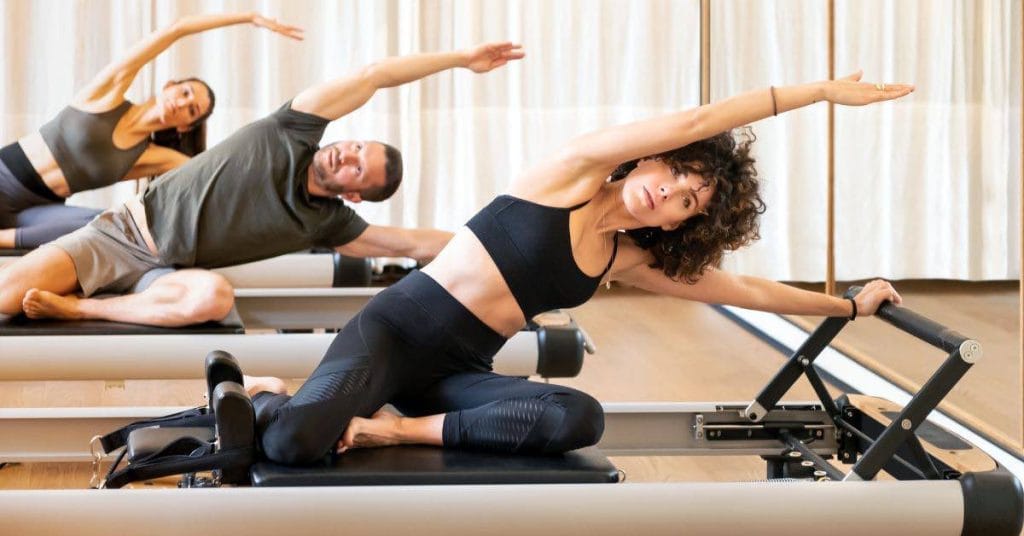
For those who prefer tailored fitness guidance, hiring a personal trainer is a popular option. Personal trainers in Denmark usually work in gyms, but many also operate independently, offering home sessions, outdoor training, or online coaching.
What to expect from personal trainers in Denmark:
- Price range: around 400–700 DKK per hour, depending on experience and location
- Languages: many trainers speak English and sometimes other languages, catering specifically to internationals
- Specializations: from weight loss and muscle building to rehabilitation, functional training, and sports-specific programs
Foreigners often find personal training helpful when navigating Danish gym culture for the first time. Trainers can help you set realistic goals, stay motivated, and understand local fitness trends. Some also offer nutrition advice as part of a holistic coaching package.
If you’re curious about finding the right trainer, see our detailed guide best personal trainers in Denmark for foreigners.
What You Can Expect to Pay for Fitness in Denmark
Staying fit in Denmark can be affordable or premium, depending on the activity and level of service. Below is an overview:
| Fitness Option | Average Cost (per month / session) | Notes |
|---|---|---|
| Gym membership | 200–400 DKK/month | Discount gyms (e.g., Fitness World) on the lower end; boutique gyms on the higher end |
| Yoga class (drop-in) | 100–150 DKK per session | Often discounts for 10-class passes |
| Yoga/meditation membership | 300–600 DKK/month | Unlimited classes at most studios |
| Personal trainer | 400–700 DKK/hour | Some trainers offer packages at reduced rates |
| Outdoor fitness (free parks & facilities) | Free | Popular in cities; many parks have open-air gyms |
| Workplace fitness subsidy | Varies (up to 50% covered) | Many Danish employers co-fund memberships |
What the Numbers Say About Fitness in Denmark
- High overall activity by EU standards: In the latest pre-pandemic EU comparison, 54.9% of Danes reported at least 150 minutes/week of aerobic activity (EU average: 31.7%), placing Denmark among the top three countries in Europe.
- …but many adults still miss WHO’s target. Denmark’s health authority notes that in 2021, 58% of Danish adults did not meet the WHO minimum recommendation for physical activity—reminding us that results vary by method and indicator (self-report vs. guidelines adherence).
- Clubs, commercial gyms, and self-organized exercise dominate. Danish participation is spread across sports clubs, commercial fitness centres, and self-organized activities (running, cycling, outdoor training), reflecting the country’s mixed fitness ecosystem.
- Sports/club participation is systematically tracked. Statistics Denmark publishes annual series on sports participation and association memberships, drawing on the Danish Institute for Sports Studies (IDAN) surveys and federation registers, which show long-term growth in organized sport.
- Commercial fitness has expanded markedly. The number of for-profit fitness centres in Denmark has grown substantially over the past two decades (from ~350 to well over 800, per sector analyses), mirroring strong demand for gym-based fitness.
- Global context. WHO reports that ~27% of adults worldwide fall short of recommended activity levels (and >80% of adolescents), underscoring why Danish public health campaigns continue to push everyday movement despite Denmark’s high relative ranking.
FAQ About Fitness in Denmark for Foreigners
Do I need a CPR number to join a gym in Denmark?
Most commercial gyms accept foreigners without a CPR number if you pay upfront or use an international card. However, some budget chains require CPR-linked direct debit for monthly memberships.
How much does a gym membership cost in Denmark?
On average, expect to pay between 200–400 DKK per month for standard gyms. Boutique studios (yoga, CrossFit, Pilates) often cost 500–1,000 DKK per month.
Are fitness classes taught in English?
Yes, especially in larger cities like Copenhagen and Aarhus. International gyms and yoga studios often provide classes in English, while smaller local gyms might primarily use Danish.
Can I freeze or cancel my gym membership easily?
Most gyms allow freezing during holidays or illness for a small fee. Cancellation policies vary—budget gyms may require 1–2 months’ notice, while premium gyms are usually more flexible.
Is outdoor training popular in Denmark?
Very. Many Danes run, cycle, and use outdoor fitness parks year-round—even in winter. Public parks often have free exercise stations.
What is the most popular form of exercise in Denmark?
Cycling and running are the top self-organized activities, while commercial gyms and sports clubs attract large memberships.
Do gyms in Denmark have saunas and wellness facilities?
Yes, many gyms—especially in bigger cities—include saunas or wellness zones. It’s considered part of the Scandinavian fitness culture.
Can foreigners hire personal trainers in Denmark?
Absolutely. Many trainers speak English, and sessions are available at gyms, outdoors, or privately. Expect rates from 400–800 DKK per hour.
Is it possible to try a gym before committing?
Yes, many gyms offer free trial days, discounted first weeks, or pay-as-you-go passes.
