Global oil shipping routes are quietly shifting as Middle East tensions threaten the Strait of Hormuz, through which roughly 20% of the world’s oil passes daily. Alternative pathways around Africa and potential new pipelines could reshape energy security for Europe, including Denmark, where post-election economic forecasts already warn of inflation risks tied to regional conflict.
The Strait of Hormuz sits at the center of a geopolitical pressure point that Denmark knows all too well. Living here for years, I’ve watched how quickly theoretical security concerns become very real economic headaches. When oil prices spike because of Middle East tensions, it shows up in Danish heating bills and transport costs within weeks. The current maneuvering around alternative shipping routes is not abstract strategy. It’s about keeping the lights on and inflation manageable.
Beyond the Chokepoint
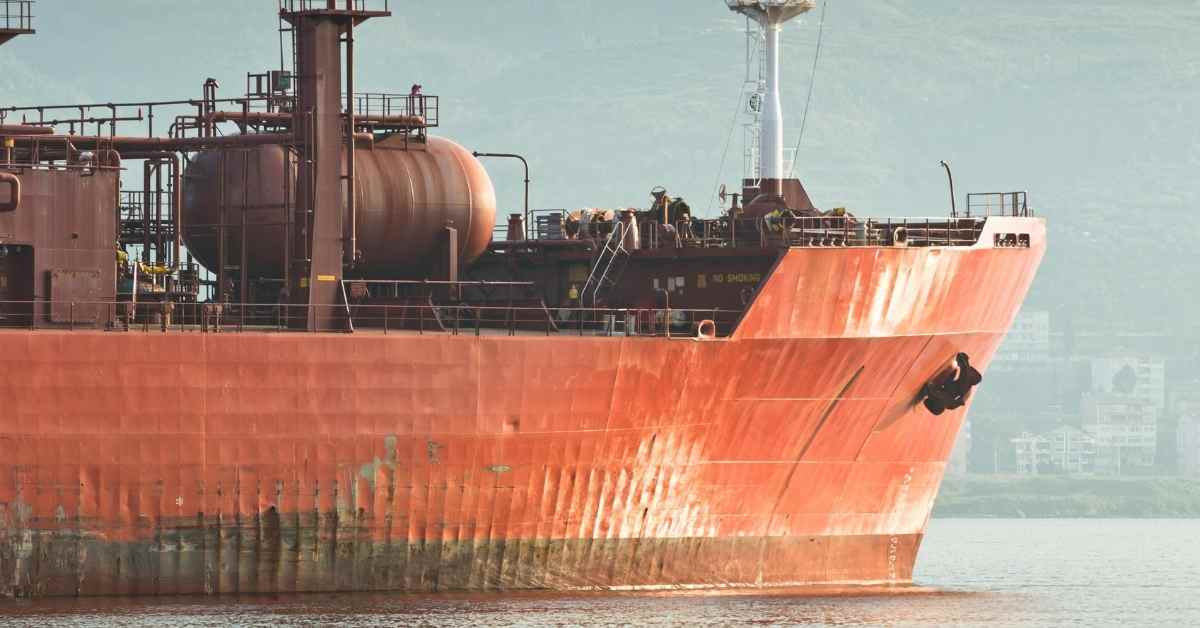
As reported by TV2, several bypass routes already exist to move oil without passing through Hormuz, and at least one more may be under development. The obvious alternative sends tankers around the Cape of Good Hope at Africa’s southern tip, adding thousands of nautical miles and days to journey times. That means higher costs, which European consumers ultimately pay.
Saudi Arabia and the UAE have built pipelines that carry crude to Red Sea ports, bypassing the Persian Gulf entirely. These aren’t new constructions, but they’re getting renewed attention as insurance rates for Hormuz transits climb and regional rhetoric sharpens. The pipeline capacity is limited compared to the strait’s throughput, but every barrel that flows through alternative channels reduces pressure on the chokepoint.
The potential new route remains less defined in public reporting, though energy analysts have long discussed expanded pipeline networks through Iraq or enhanced capacity via Suez Canal approaches. What matters for European importers is diversification itself, spreading risk across multiple pathways rather than betting everything on one narrow waterway.
Danish Stakes in Energy Security
Denmark’s central bank published economic projections in late March warning that Middle East war developments pose significant inflation risks through energy price impacts. The forecast calls for 1.8% GDP growth in 2026 and 2027, with core inflation at 2.2% this year. Those numbers assume relative stability. A Hormuz closure or sustained disruption would rewrite those assumptions immediately.
I’ve seen how Denmark’s small, open economy amplifies external shocks. The country imports refined petroleum products and relies on predictable energy costs for its industrial base and shipping sector. When global oil markets convulse, Danish businesses feel it acutely. The political establishment knows this, even as coalition negotiations following the March election keep domestic attention focused inward.
The election itself stemmed partly from the Greenland crisis with the United States, another reminder that Denmark sits at multiple geopolitical crossroads. Greenland’s rare earth minerals matter for green transitions meant to reduce oil dependence long term. But short term, Denmark remains vulnerable to the same energy supply disruptions as the rest of Europe.
Political Gridlock Meets Energy Vulnerability
Denmark’s hung parliament complicates rapid policy responses to external crises. The Social Democrats won just 38 seats with their worst vote share since 1903, leaving Prime Minister Mette Frederiksen scrambling to assemble support. Neither the red bloc with 84 seats nor the blue bloc with 77 can govern alone in the 179 seat Folketing. The Moderates hold kingmaker status, and negotiations drag on.
This political fragmentation is not unique to Denmark. It reflects the squeeze on center parties across Europe, making decisive action harder precisely when energy security demands coordination. A minority government relying on ad hoc support cannot easily push through major energy infrastructure investments or negotiate tough EU positions on oil import diversification.
For expats living in Denmark, this matters in practical ways. We’ve adapted to aspects of Danish life that work well when systems function smoothly. High taxes fund reliable infrastructure and social services. But that model assumes economic stability and predictable costs. Energy shocks strain the system, and political paralysis limits options for responding.
Looking Ahead
The push for Hormuz alternatives will continue regardless of Denmark’s internal politics. Global oil markets adapt to threats whether individual European countries keep pace or not. But Denmark’s ability to cushion its population from price spikes or invest in strategic reserves depends on political will that seems in short supply right now.
I expect Danish consumers will face higher energy costs this year even without a major Hormuz incident. The insurance premiums, longer shipping routes, and pipeline capacity constraints all push prices upward. The question is whether Denmark’s fractured government can negotiate EU support for shared energy security measures or will simply absorb the costs alone.
Sources and References
The Danish Dream: Top 20 Things About Living in Denmark
The Danish Dream: Greenland Crisis Article
TV2: Flere smutveje kan bringe olien uden om Hormuz