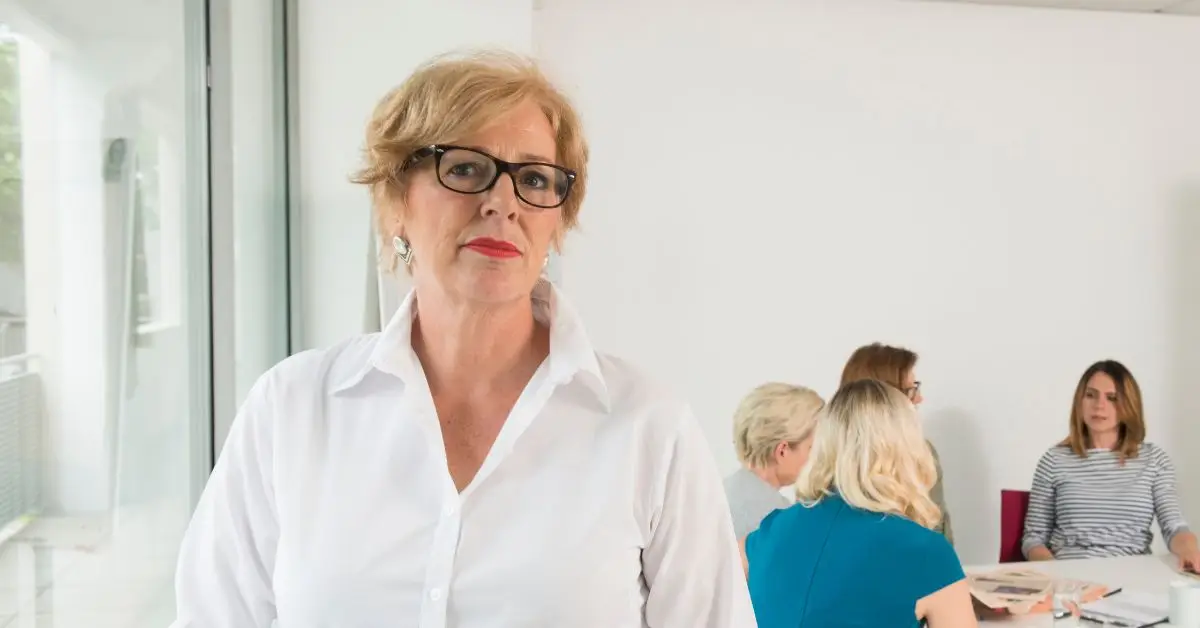
Denmark’s Region Hovedstadens healthcare workers will receive increased support during menopause, a unanimous decision aimed at promoting well-being for all genders.
Background on Menopause Support Initiatives
This week, the regional council of Region Hovedstaden in Denmark reached a significant decision to bolster the support available for healthcare employees experiencing menopause. This initiative aims specifically to address the challenges faced by women during this transitional phase of life, which can include symptoms such as hot flashes, sleep disturbances, and concentration issues. However, the ensuing debate highlighted the importance of inclusivity, as members of the council sought to expand support to all genders.
The original proposal concentrated on the needs of women undergoing menopause, reflecting a growing recognition of how such health issues can impact workplace productivity and employee well-being. However, during the council meeting, members of the Conservative Party raised concerns about the singular focus on women. They proposed amendments to ensure that support services would be available not just to women, but to men and individuals of all gender identities as well.
The discussions brought forth an essential dialogue about gender inclusivity in health discussions. Peter Westermann from the Socialist People’s Party (SF) expressed contentment with the initial proposal but emphasized the need to acknowledge that health issues, such as menopause, can affect people across the gender spectrum.
Implementation of the Proposal
Following the approval of the proposal, a designated committee will be responsible for the implementation of these support measures. This effort reflects a broader trend across Denmark and other nations to address health concerns in the workplace proactively. With 1 in 4 women experiencing debilitating symptoms during menopause, the necessity for workplace accommodations is evident.
The specific support measures outlined in the approved proposal include access to counseling, adjustments to working hours, and the option for flexible break times. These adjustments aim to create a more conducive environment for individuals struggling with menopause symptoms.
It’s crucial also to note that companies in Denmark are increasingly recognizing the necessity of providing comprehensive health support for their employees. According to data from Danish health authorities, nearly 60% of women report that menopause has impacted their work performance, underscoring the need for targeted support.
The initiative in Region Hovedstaden is part of a larger movement toward health awareness in Danish workplaces. Supporting employees during significant life transitions like menopause can lead to improved mental health outcomes, which, in turn, can contribute positively to overall productivity.
Several studies have shown that organizations that foster a supportive work culture experience higher employee retention rates and lower levels of absenteeism, due to enhanced mental health resources. The decision in Region Hovedstaden may serve as a model for other regions and sectors in Denmark, potentially influencing a national dialogue on many other important health-related issues.
Future Directions for Health Policies
As the proposal moves forward, it holds the potential to influence broader health policies within Denmark. The conversations initiated in Region Hovedstaden can pave the way for similar initiatives across different sectors, aiding in the integration of gender-inclusive health discussions into workplace policies.
Moreover, the acceptance of this proposal indicates a growing awareness that health challenges do not manifest solely based on gender binary classifications. The result is not just a policy change, but a cultural shift toward inclusivity and support for all individuals facing transitional health challenges.
The ongoing conversations around this topic underscore the importance of equality and understanding in health discussions, paving the way for a future that acknowledges and supports the diverse experiences of all employees, regardless of gender.