Danish police removed a person in a full-body DNA suit this week, a routine but striking procedure that underscores how seriously Denmark treats forensic evidence. The practice, standard in serious criminal cases since the 1990s, now takes on added urgency as Denmark faces possible exclusion from EU-wide DNA databases that have generated hundreds of thousands of cross-border matches.
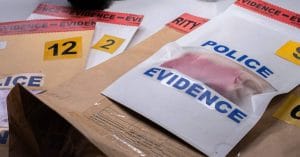
The image of someone being escorted away in a white DNA suit looks dramatic, almost clinical. But as TV2 reported, this is how Danish police operate when they believe DNA evidence might be critical. The suit prevents contamination, keeps the suspect’s DNA from spreading at the scene, and ensures that whatever biological material they carry can be properly documented and analyzed. It is theater, yes, but theater with a purpose.
Why DNA Suits Matter in Danish Investigations
Denmark has relied on DNA evidence in criminal cases since 1993. The national DNA profile register holds samples from convicted criminals and crime scenes, and police use it to match unknown DNA against known offenders. When they arrest someone they believe might be tied to a serious crime, the DNA suit ensures they can collect clean samples without risking defense arguments about contamination or chain of custody failures.
I have watched Denmark refine this system over the years. The suits are not used for every shoplifting arrest. They appear in murders, rapes, serious assaults, cases where biological evidence could be the difference between conviction and acquittal. The person removed this week was likely connected to something significant, though police have not disclosed details. That silence is typical. Danish authorities hold information close until charges are filed, sometimes maddeningly so for those of us trying to report on what is actually happening.
The Broader Forensic Picture
This incident comes at an awkward moment for Danish law enforcement. Denmark is on track to lose access to the EU’s Prüm II framework, which allows member states to share DNA profiles and fingerprints across borders. The country’s justice opt-out, a constitutional quirk that keeps Denmark outside certain EU judicial cooperation, means it cannot participate in updated versions of Prüm without special arrangements.
In 2020 alone, Danish police made 19,000 DNA queries through the EU system and received 190,000 incoming matches from other countries. Those numbers matter when you are investigating crimes that cross borders, which in Scandinavia happens more often than outsiders might think. Losing that access would force Danish police to rely on slower bilateral agreements or, in some cases, to simply miss connections entirely.
The Justice Ministry and Rigspolitiet have warned that exclusion would harm prevention, investigation, and case resolution. Yet the political machinery to fix this moves slowly, and as of now, Denmark remains outside the updated framework. For those of us living here, it is another reminder that Denmark’s sovereignty-first approach to EU membership has real costs, not just abstract ones.
Domestic Debates on DNA Expansion
Meanwhile, Danish politicians are pushing to expand DNA use domestically. The current government and several Folketing parties support creating a voluntary national DNA database where citizens could register their profiles to help solve cold cases. The idea echoes a 2009 proposal from Dansk Folkeparti and has resurfaced as police struggle with unsolved murders and assaults.
Supporters argue a voluntary system would avoid the privacy concerns that have plagued similar programs abroad, particularly in the United States, where familial DNA matching has implicated people who never consented to genetic surveillance. Denmark already uses familial searching, but only within its own criminal database. The Hanne With case, an early cold case breakthrough, relied on matching crime scene DNA to a relative of the perpetrator already in the system.
Critics remain wary. Privacy advocates worry that even a voluntary database could expand over time or be misused. For expats navigating Danish legal systems, the debate highlights a tension between Denmark’s reputation for trust and transparency and its willingness to deploy invasive investigative tools. The fact that these discussions are happening openly, with input from multiple parties, is characteristically Danish. So is the glacial pace of actual reform.
What This Means for Expats and Residents
If you live in Denmark, the odds of being arrested in a DNA suit are vanishingly small unless you are involved in serious crime. But the existence of these procedures, and the broader debates around genetic evidence, matter for anyone trying to understand how Danish society balances public safety with individual rights. Denmark is not a surveillance state, but it is not shy about using technology and data when it believes the cause is just.
The TV2 incident is a snapshot of that philosophy in action. Someone was removed in a suit designed to protect evidence, part of a legal system that has relied on DNA for over three decades and is now grappling with both international isolation and domestic calls for expansion. Whether that system will become more effective or more intrusive depends on decisions being made in the Folketing and in Brussels, decisions that will shape not just criminal justice but the broader relationship between Danes, their government, and the data that defines modern life.
Sources and References
TV2: Person ført væk i DNA-dragt
Faktalink: DNA i straffesager
Altinget: Danmark på vej ud af EU’s samarbejde om DNA og fingeraftryk
The Danish Dream: Danish Pensioner and Politician Unite Against Flawed Law
The Danish Dream: Top Law Firms Copenhagen
The Danish Dream: Best Danish Lawyer for Foreigners