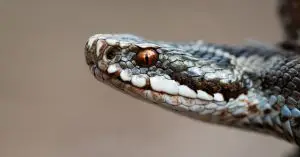
A 39-year-old man faces charges under Danish animal welfare laws after police discovered 83 mistreated ball pythons in his apartment following a neighbor’s complaint about a foul smell. Ten of the snakes were already dead from lack of food and water, while 72 others were emaciated. Prosecutors are seeking a prison sentence and a lifetime ban on animal ownership.
Neighbor Complaint Leads to Shocking Discovery
The case began on May 22, 2024, when a neighbor in Vendsyssel contacted North Jutland Police to report a terrible odor coming from a nearby apartment. When police officers entered the residence, they encountered an extremely disturbing scene. The watch commander told TV2 Nord at the time that the apartment smelled terrible and contained an enormous number of snakes.
Inside the apartment, police found 83 ball pythons in various states of distress. Surprisingly, 10 of the reptiles had already died due to lack of food and water. The remaining 72 snakes were severely emaciated to varying degrees. Officers also discovered dead feeder animals, including mice, scattered throughout the residence.

Evidence of Neglect of Starving Snakes
According to the prosecution, the starving snakes had been left without food or water for weeks, possibly even months. The owner had clearly abandoned the animals, though the exact duration remains unclear. Authorities found that the reptiles were kept in plastic containers that were far too small, without any heat source and without consideration for their basic physiological needs.
The conditions violated fundamental principles outlined in Danish animal welfare laws. The snakes showed no signs of receiving treatment for illness or disease. As a result, the prosecution has filed charges against the 39-year-old man for violating the Animal Protection Act.
Criminal Charges and Potential Penalties
On Thursday, the defendant is scheduled to appear in court in Aalborg. The charges stem from violations of Denmark’s animal welfare legislation, which requires proper treatment of all animals and protection from pain, suffering, fear, permanent injury, and severe distress. The case represents a preview of the upcoming trial based on the prosecution’s indictment.

At this stage, the man has not been convicted. When someone is charged in a criminal case, it means the prosecution has reviewed the police investigation and decided to proceed with formal charges in court. The indictment does not indicate how the 39-year-old man responds to the allegations against him.
Prosecution Seeks Prison Time and Lifetime Ban
The prosecution is pursuing serious consequences in this case. Officials are asking the court to impose a prison sentence on the defendant. In addition, prosecutors are requesting that the man be permanently banned from owning animals in the future. This lifetime prohibition would prevent him from ever keeping pets or other animals again.
Meanwhile, Denmark maintains strict regulations on keeping exotic reptiles. The country explicitly prohibits ownership of certain venomous snakes, including taipans, Gaboon vipers, and rattlesnakes. While ball pythons are not venomous snakes, the extreme neglect documented in this case demonstrates why authorities enforce animal welfare standards so seriously.

Context of Similar Animal Welfare Cases
This case follows a pattern of enforcement actions involving exotic reptile hoarding. In 2019, Copenhagen police conducted a similar operation across several cities, seizing 45 illegal venomous snakes from four men. Those individuals also faced charges under animal welfare laws, with assistance from veterinarians and experts during the seizure. The confiscated starving snakes were held in terrariums while authorities determined their fate.
Violations of animal protection laws in Denmark typically result in fines for less severe cases. However, cases involving significant suffering or large numbers of animals can lead to more serious penalties, including imprisonment. The law applies to all animals, including wild species and insects, though animal keepers bear additional responsibilities such as providing adequate food and proper living conditions.
Denmark’s Animal Protection Framework
Denmark has a long history of criminalizing animal abuse, dating back to 1857. The first comprehensive animal protection law was enacted in 1916, which penalized inappropriate treatment including neglect and over-exertion. That legislation established fines and imprisonment for offenders while mandating veterinary procedures for tasks like castrations.
The current Animal Protection Act requires that animals be treated properly and protected from unnecessary harm. Keepers must meet basic care standards including adequate food, water, shelter, and veterinary care when needed. Naturally, the law recognizes that different species have different needs, which means reptile owners must understand the specific requirements of their animals.
For context, Denmark’s only native venomous snake is the common European adder. This species bites approximately 200 people annually, with about 10 percent requiring hospitalization after initial treatment. Fatalities are extremely rare, with just one death recorded in the past 50 years. These bites typically occur when snakes are disturbed rather than from aggressive behavior. In contrast, exotic species kept in inappropriate conditions pose different risks, as evidenced by cases like the one currently heading to trial.
Upcoming Court Proceedings
The trial will examine the evidence collected during the police investigation. The court will consider the conditions in which the animals were kept, the duration of the neglect, and the resulting harm to the snakes. Given that 10 animals died and dozens more suffered severe malnutrition, the prosecution believes the case warrants serious penalties.
Oddly, the indictment does not reveal whether the defendant plans to contest the charges or accept responsibility. The hearing will provide an opportunity for both sides to present their arguments. The judge will ultimately decide whether the evidence supports a conviction and, if so, what penalty is appropriate.
This case serves as a reminder that animal ownership carries legal obligations in Denmark. Pet owners and exotic animal keepers must meet their animals’ basic needs or face potential criminal prosecution. The outcome of this trial may influence how similar cases are handled in the future, particularly those involving large numbers of neglected animals.
Sources and References
The Danish Dream: Danish Animal Welfare Laws Explained
The Danish Dream: Best Lawyer in Denmark for Foreigners
TV2: Nabo klagede over stank – politiet fandt 83 mishandlede slanger