After Christmas, Danish recycling centers face one of their busiest times of the year as families clear away wrapping paper, decorations, and leftovers. But sorting incorrectly can cause hidden fire hazards and environmental problems.
The Hidden Danger in Holiday Decorations
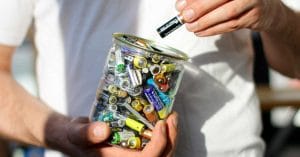
After the holidays, Danish homes are filled with decorations, lights, and leftover clutter. Once the festivities are over, that glittery décor can become a safety risk if not handled properly. Danish waste industry groups warn about the danger of batteries hidden in decorative items. These batteries can easily end up in the wrong container, sometimes sparking fires.
Danish waste management experts have seen an increase in fires started by lithium and button batteries that were accidentally tossed into general waste. Even a single small battery from a singing Christmas card or a light-up ornament can cause significant damage if crushed in processing equipment.

To spot hidden batteries, households are urged to check for signs like on/off buttons, screws, or small compartments that can be opened. Decorations with sound, light, or movement, but no visible cord, almost always contain batteries. Even plush or fabric ornaments might hide a battery pack, so checking before discarding or storing them helps prevent both fires and leaks from chemical corrosion.
Sorting Holiday Waste the Right Way
Wrapping Paper and Ribbon
Gift wrapping often looks festive but is rarely recyclable. Because much wrapping paper in Denmark is laminated or coated, it belongs in general waste. A few cities, such as Copenhagen, allow clean, non-glossy wrapping paper to be sorted as paper—so it is best to check local guidelines first.
Food Waste
After days of traditional Christmas dinners, leftover food becomes a large part of the post-holiday cleanup. Meat bones, spoiled dessert, and other remains should be placed in food waste bins. According to the Danish Environmental Protection Agency, such waste can be transformed into biogas for electricity and heating, or even used as fertilizer for farms. That gives leftovers a new purpose rather than ending up in landfills.

Glass and Metal
Empty glass jars from pickled herring and bottles from snaps must be placed in glass collection bins, while lids should go to metal recycling. Both materials can be reused multiple times through smelting and reforming. Items should be scraped free of food but do not have to be perfectly clean.
Christmas Trees
When the season ends, the Christmas tree can be taken to a recycling center as garden waste. Some municipalities in Denmark even have special pickup points for tree collection. However, every piece of tinsel, ornament, or light must be removed first. Once processed, these trees often become compost or biofuel instead of mere trash.
Responsible Storage for Next Year
For decorations being stored for next Christmas, batteries should still be removed. Keeping them inside toys or ornaments long-term may lead to leakage or overheating. Safe storage not only protects items from damage but also reduces the chance of future fire hazards.
To keep homes sustainable and safe, Danes are encouraged to plan ahead—start early, sort correctly, and make a habit of double-checking for batteries and mixed materials. While the recycling system in Denmark is among the most developed in Europe, even it depends on individuals separating waste properly.

Interestingly, this growing push for responsible household behavior aligns with broader environmental efforts in Denmark—ranging from energy-efficient homes to better urban recycling standards. Small actions, like proper battery disposal, are seen as part of a national culture of shared responsibility.
Sources and References
The Danish Dream: Danish pest control overwhelmed as calls for help double
The Danish Dream: Best home cleaning services in Denmark for foreigners
DR: Sådan affaldssorterer du rigtigt efter jul og undgår potentielt skjult brandfare