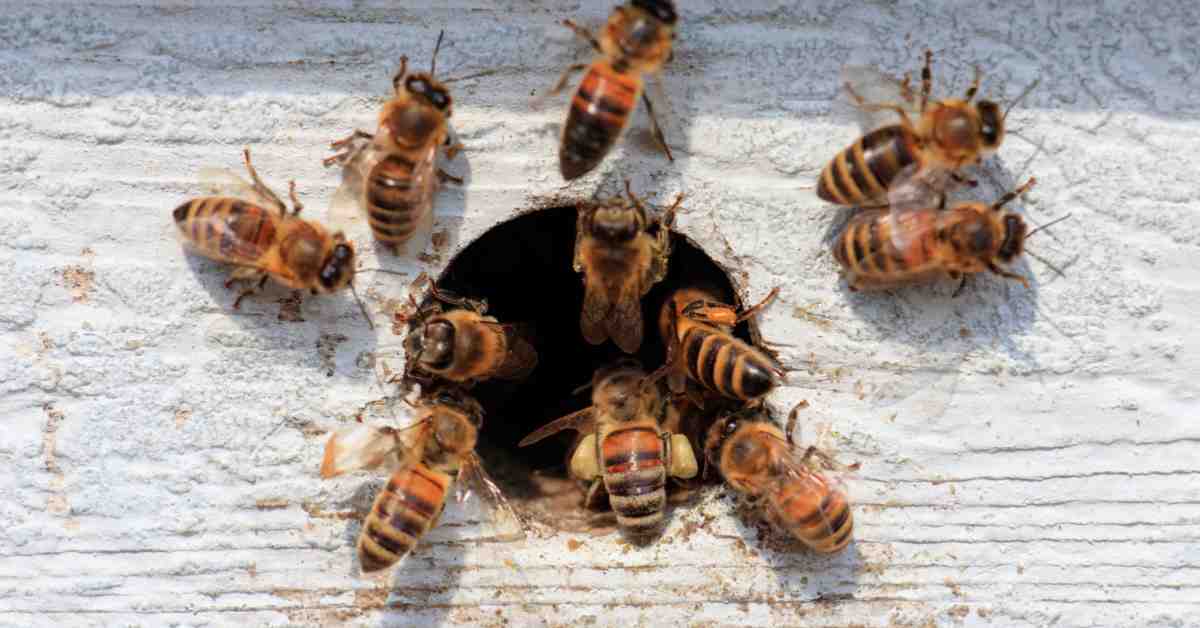
Denmark is experiencing an unprecedented surge in wasp infestations this summer, with Danish pest control companies reporting up to twice as many calls for help compared to previous years.
Record Number of Wasp Complaints Across Denmark
Danish Pest control companies throughout Denmark are being overwhelmed with calls this summer as wasp populations explode across the country. Unusually warm and dry spring weather conditions, coupled with mild winter temperatures, have created the perfect environment for wasps to multiply and establish nests earlier than usual. For many Danes, it’s getting hard to enjoy a meal outdoors without an uninvited guest.
Specialists at Rentokil Initial report a twofold increase in service requests related to wasps compared to the same period last year. Another major company, AZ Skadedyrsservice, says it is seeing between two and three times the usual number of wasp nests. Smaller regional pest control operators confirm the same dramatic trend, sparking concern among both residents and public health officials. With these numbers, it’s not surprising that pest control lines are lighting up across the country.
Why Wasps Are Out in Force This Year
Pest experts attribute this year’s wasp boom to several environmental conditions. The spring of 2025 in Denmark was notably warm and dry – ideal circumstances for queen wasps to emerge and build nests without disruption. Additionally, the preceding winter was unusually mild, which allowed more queen wasps to survive and begin nesting as early as March.
Wasps typically remain active from March through November, and their nests—often hidden in hedges, sheds, or under eaves—can grow rapidly. A typical nest can house up to 5,000 wasps by mid-summer, making them difficult and dangerous to manage without professional help.
Visible vs. Hidden Nests
If a wasp nest can be seen and is still small, professionals say it’s possible to remove it yourself. However, hidden or well-established nests should be handled by trained exterminators. Attempting to remove a large or concealed nest can provoke the wasps, which will defend their territory aggressively and en masse if they feel threatened.
Experts also warn against relying solely on homemade traps if you are seeing substantial wasp activity. Frequent sightings usually indicate that a nest is nearby.
The Behavior and Risks of Wasps
Wasps are not naturally aggressive but will attack if provoked or if their colony is under threat. During August in particular, as worker wasps no longer have young to feed, their behavior can become more erratic, and they are more likely to seek out sugary foods such as fruit, cakes, or soft drinks.
The common wasp, or European hornet, is the most widespread species in Denmark. However, Danish pest control also keeps an eye on the growing presence of invasive and larger-sized wasp species, including hornets, which can reach up to 4 centimeters in length.
While most wasp stings are merely painful and harmless, they can become life-threatening if the person stung is allergic or if the sting occurs in the throat or mouth. In such cases, emergency medical attention is essential.
Protecting Yourself Against Wasps
In the event of infestation, residents are advised to wear proper protective clothing, not just garden gloves or long sleeves. Full-body suits, winter gloves, and protective mesh over the face are recommended for anyone dealing with visible nests. Light layers and skin exposure significantly increase the risk of stings.
Preventing wasp activity also includes simple steps anyone can take:
1. Set Traps
Homemade traps using soda or juice in a cut plastic bottle can help reduce wasp presence in your garden.
2. Use Burnt Cinnamon
Wasps dislike the smoke from burning cinnamon. Place a small bowl of smoldering cinnamon on your outdoor table to deter them while dining.
3. Monitor Premises
Check seldom-used corners, attics, and hedges for early signs of nest development before they grow out of control.
4. Store Antihistamines
Keep allergy medication readily available, particularly if wasps are active near your home. Quick treatment can be life-saving in case of serious allergic reactions.
5. Clean Up Fallen Fruits
Rotting apples and plums are prime food sources for wasps. Promptly remove fallen fruit to limit unwelcome backyard guests.
Wasps Are a Natural Part of the Ecosystem
Although their presence can be frustrating, wasps play an important ecological role by feeding on dead insects and helping to control other pest populations. As long as they aren’t nesting too close to homes or posing direct threats, experts encourage people to leave them alone.
Calls to Danish pest control companies may be at record highs, but professionals emphasize that not every outdoor wasp sighting is cause for alarm. Unless a wasp nest is near a living space or causing frequent stings, it may not require removal at all. In forested or open areas around homes, wasps are considered to be in their natural habitat.
Still, this summer is shaping up to be one of Denmark’s most troublesome when it comes to wasps – and that means preparedness, awareness, and caution are more important than ever.