After announcing plans for tougher inspections in Danish pig farms, the organization Landbrug & Fødevarer Gris has now reversed its decision. Lawmakers and animal welfare advocates are criticizing the quick turnaround, calling it unacceptable and damaging to trust.
Sudden Reversal in Pig Welfare Initiative
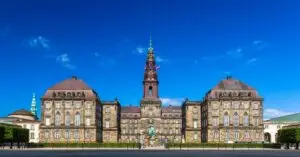
Just weeks after telling the Danish Parliament’s Environment and Food Committee that Danish pig farms would face more frequent inspections, Landbrug & Fødevarer Gris suddenly withdrew the plan. The change, announced by chairman Hans Christian Gæmelke at the organization’s annual meeting, means that inspections will continue at the usual three-year interval.
The U-turn follows strong pushback from many pig producers who opposed tripling the number of checks. According to agricultural media, some producers argued that more inspections would add pressure without improving results.
Industry Pushback and Political Reaction
The reversal has sparked political tension. Members of Parliament said they were told one thing and saw another happen. One committee member described the turnaround as unacceptable, saying it shows the industry is unwilling to improve animal welfare on its own.
Another lawmaker from the Liberal Alliance voiced disappointment that the organization abandoned the promise so quickly. He noted that when a national industry group presents a plan before Parliament, it should follow through.
The committee’s chairman from the Denmark Democrats said he does not know the reason for the reversal. He added that while the idea of more voluntary monitoring was good, the organization failed to make it work in practice.
Government’s Overlapping Response
Interestingly, the Ministry of Food, Agriculture and Fisheries welcomed the initiative shortly before it was withdrawn. In a formal response posted online in late October, minister Jacob Jensen called the plan “a constructive step” toward developing more responsible pig production.
But by mid-November, the Parliament’s committee was officially informed that no annual inspections would take place after all. That timing has raised questions about how effectively the government coordinates with the agriculture industry.

Animal Welfare Debate Intensifies
The dispute follows public pressure over the treatment of animals in Danish pig farms. Documentaries and hidden recordings have previously uncovered issues such as injured and undernourished animals. In this context, the plan for stronger inspection measures had been seen as a sign of progress.
Instead, the reversal has reignited debate over whether the Danish agricultural sector can regulate itself. Several political voices have now suggested the need for new laws or stricter government control. As one MP put it, the livestock industry cannot fix problems it refuses to admit.
Industry Defends Its Decision
Hans Christian Gæmelke explained that farmers within the organization could not agree on more frequent inspections. However, he added that the industry has now tightened its own quality system, known as “Danish”, which sets rules for ethical treatment of animals on farms.
Part of that system involves quicker follow-up and tougher sanctions for farmers who do not properly treat sick or injured pigs. Gæmelke said the goal remains improving animal welfare, just through different tools than originally planned.
The case highlights ongoing tension between Denmark’s powerful agricultural sector and lawmakers pushing for stronger oversight. Critics say the incident shows how the sector still struggles with accountability and transparency.
Broader Context in Danish Agriculture
The livestock debate comes at the same time as other Danish farming sectors are adopting new technology. For example, some farmers are exploring virtual fences for cattle to improve animal management and environmental impact.
While innovation shapes the future of farming, controversies like the pig control reversal remind many Danes how complex it is to balance production, ethics, and public trust. The government is now under pressure to decide whether voluntary systems are enough or if stricter national rules are needed.

Sources and References
The Danish Dream: Danish Farmers Use Virtual Fences for Cattle
The Danish Dream: Best Lawyer in Denmark for Foreigners
TV2: Griseorganisation trækker øget kontrol tilbage