Throughout history, people have prepared for the unexpected—from harsh winters to global crises. What we now call “prepping” has always been part of human survival instincts, from the Middle Ages to the atomic age.
Preparing for Survival in the Middle Ages
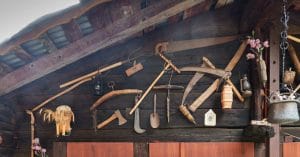
In medieval Denmark, families had no choice but to plan ahead for winter. It was not war or politics that posed the biggest threat, but the cold season itself. When the fields froze and food stopped growing, survival depended on a well-stocked pantry. Every household, regardless of wealth, had to secure enough supplies to last until spring. There was no government agency or nobleman to rely on for help, so people learned to be self-sufficient.
They preserved their food by drying or salting it, but even then decay was inevitable. A small trick helped ease the unpleasant taste—adding caraway seeds to mask the flavor of spoiled meat. It was a practical solution for a time without refrigeration. Today, modern conveniences like canned goods and freezers make storing food far easier, but the old mindset of preparation still holds value.

Spiritual Prepping: Preparing for the Afterlife
Interestingly, the concept of preparing did not end with physical survival. Religion also carried its own version of prepping. The biblical story of Noah’s Ark is often described as the earliest example of it. Across cultures, people have buried their dead with weapons, clothing, and food to ensure they were ready for the next world.
During the Middle Ages, this spiritual form of preparation took many shapes. In Catholic Europe, believers paid for indulgences to secure a smoother passage for their souls. Life itself was viewed as a preparation for eternal life. The earthly body was only temporary; what mattered was the soul’s condition. Many Christians even believed that physical suffering improved their chances in the afterlife.
While today’s Danes rarely think of how to prepare spiritually, the idea of readiness remains embedded in cultural memory. People may now focus more on physical health and longevity, but the old traditions remind us that preparation once reached far beyond material needs.

Modern Prepping in the Nuclear and Digital Age
Prepping as we know it today took shape in the 20th century when the world lived under the shadow of nuclear weapons. During the Cold War, the Danish government urged citizens to have emergency supplies ready in case of war. The Cuban Missile Crisis in 1962 heightened these fears, pushing both authorities and households to think seriously about safety.
Officials distributed brochures recommending that families keep food, water, medicine, and even playing cards on hand. Yet, public response varied. Some followed the advice closely, while others dismissed it. Around the same time, countercultures emerged, with people choosing to live off-grid or in bunkers—mirroring the survivalist attitudes that still appear today.
Events like the 1986 Chernobyl disaster deepened that caution. The accident led Danish authorities to review the country’s shelters and update national guidelines for emergencies. The message was clear: no one can predict the next crisis.
Even now, emergency agencies continue to remind residents to be ready to survive for at least three days without public utilities. This renewed interest in self-sufficiency connects with wider discussions, such as those around Denmark’s rise in the prepper movement.

From Past to Present: The Value of Being Ready
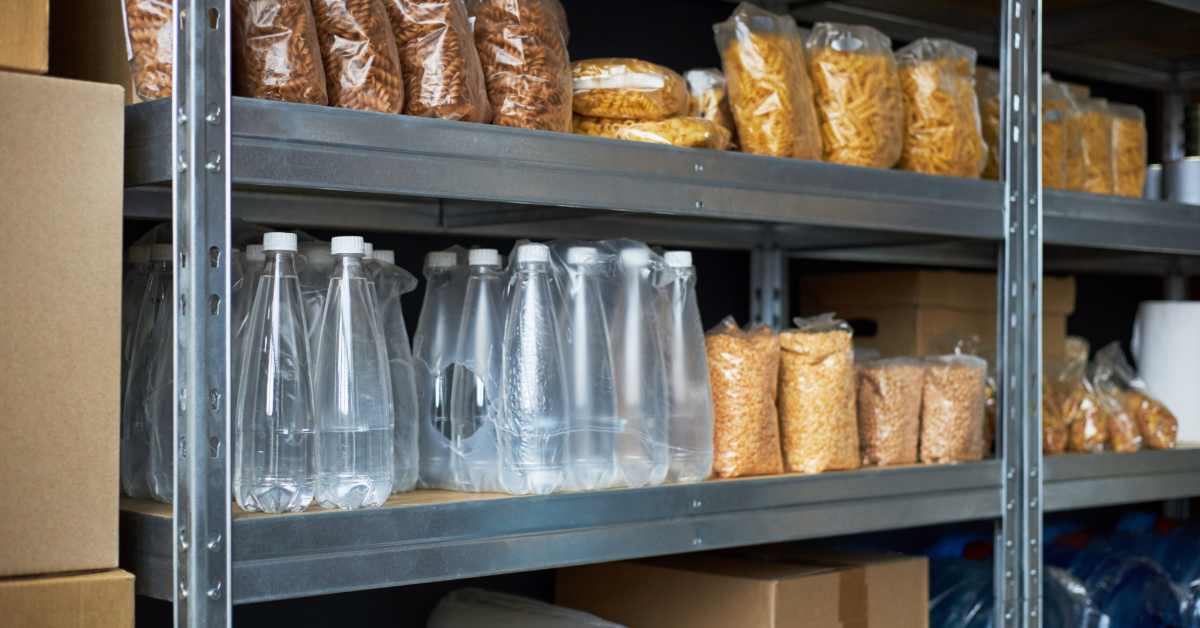
Whether facing medieval winters, religious expectations, or fears of nuclear fallout, preparation has always reflected our need for control in uncertain times. What has changed are the tools and threats, not the mindset. Centuries ago, families salted fish and stored grain. Today, they might stock batteries, bottled water, and medical supplies.
In the end, the idea is the same. Being ready is not just about what might happen but about knowing you have done what you can. History shows us that preparedness, in one form or another, has always been a part of Danish life—and it continues to shape how people face the future.
Sources and References
The Danish Dream: Drones at Denmark’s Airports Spark Rise in Prepper Movement
DR: Folk har preppet siden tidernes morgen: ‘Man kan sige, at den originale prepperhistorie var Noas ark’