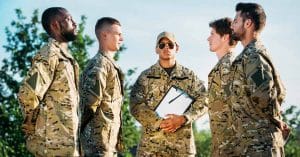
Denmark’s Home Guard is seeing its biggest surge in over forty years, with thousands of new volunteers joining amid rising global tensions and a changing security landscape.
Rising Global Uncertainty Drives New Interest
The world feels unpredictable again. War continues in Ukraine, global power rivalries are shifting, and hybrid warfare now influences national security far beyond traditional battlefields. Because of that, Denmark’s Home Guard has seen a sharp spike in membership and public interest.
According to new figures, 2,314 new volunteer soldiers joined the Home Guard in 2025. That is nearly twice as many as in 2022, when the war in Ukraine began. This marks the largest wave of new recruits in more than four decades. The boost mirrors a growing sense of civic duty among ordinary Danes who want to help protect their country in an unstable world.
The renewed attention on the Home Guard, described in detail in Denmark’s Home Guard, also suggests that more citizens now see the organization as a serious part of national defense rather than a volunteer hobby club.

From “Weekend Warriors” to Essential Support
For many years, the Home Guard was often ridiculed in Denmark. Some called its members “parking soldiers” or “weekend warriors” because they were often seen directing traffic at events. But that image is fading fast.
In reality, the Home Guard handles tasks vital to Denmark’s defense. Volunteers protect military installations, monitor Danish waters, and secure critical infrastructure against hybrid threats. They also assist the armed forces with transport, logistics, and coordination with NATO allies on Danish soil.
As national and regional tensions rise, this support role has expanded. Home Guard members now participate in more joint exercises and contribute expertise in both civil and military emergency readiness. Their training includes skills such as surveillance, first aid, and basic combat preparedness.
Ordinary Danes Step Up
Across Denmark, thousands of citizens like physiotherapist Thomas Pedersen have joined in the past year. Many say the same thing: they want to be ready to protect their country if needed. Others mention concern about international instability, including Russia’s aggression and U.S. diplomatic tensions involving Greenland.
Another example comes from aviation enthusiast Niklas Isaksen, who joined the Air Home Guard in Tirstrup. He spends much of his free time learning defense and communication procedures. Even though most members do not expect a direct military conflict in Denmark, they feel it is responsible to be prepared.
For both men, volunteering is about readiness and contribution. They believe collective effort can make a real difference if Denmark ever faces a crisis. It is also a way for civilians to connect more closely with the military framework and understand defense from within.

A Step Forward but Not Enough
Despite the increase in recruits, the Home Guard’s total strength is still far smaller than during the Cold War. In 1983, the organization had around 77,000 members. By 2026, the number had dropped to about 43,900, even with recent growth.
Officials say there is still a long way to go. The Danish government wants the Home Guard to become larger and better equipped. Leaders point out that although volunteer numbers are rising fast, the responsibilities and operational demands are also expanding.
Military analysts note that when global tension rises, more Danes tend to volunteer. The pattern has repeated itself through history. Current membership levels are therefore seen as both a sign of national unity and a reminder that security awareness is spreading among ordinary citizens.
Given rising defense challenges, that renewed interest is timely. The Home Guard will likely take on even more duties in the future, including disaster response, cybersecurity, and closer coordination with the Danish Armed Forces.

National Unity in Unsettled Times
The growing involvement of volunteers reflects more than fear of global conflict. It shows a sense of shared purpose that many feel has been missing in recent years. At a time when geopolitical events seem distant yet deeply linked to daily life, Danes are rediscovering the idea of collective defense.
In modern Denmark, patriotism often expresses itself through quiet preparedness rather than loud declarations. The Home Guard’s revival shows that this mindset still runs deep. Without a doubt, the organization’s growing ranks highlight a renewed willingness among Danes to take responsibility, learn new skills, and stand ready for whatever challenges may come next.
Sources and References
The Danish Dream: Denmark’s Home Guard Sees 35% Volunteer Surge
The Danish Dream: Best Immigration Lawyers in Denmark for Foreigners
DR: I årevis er de blevet hånet, men nu får vild verden danskerne til at strømme til