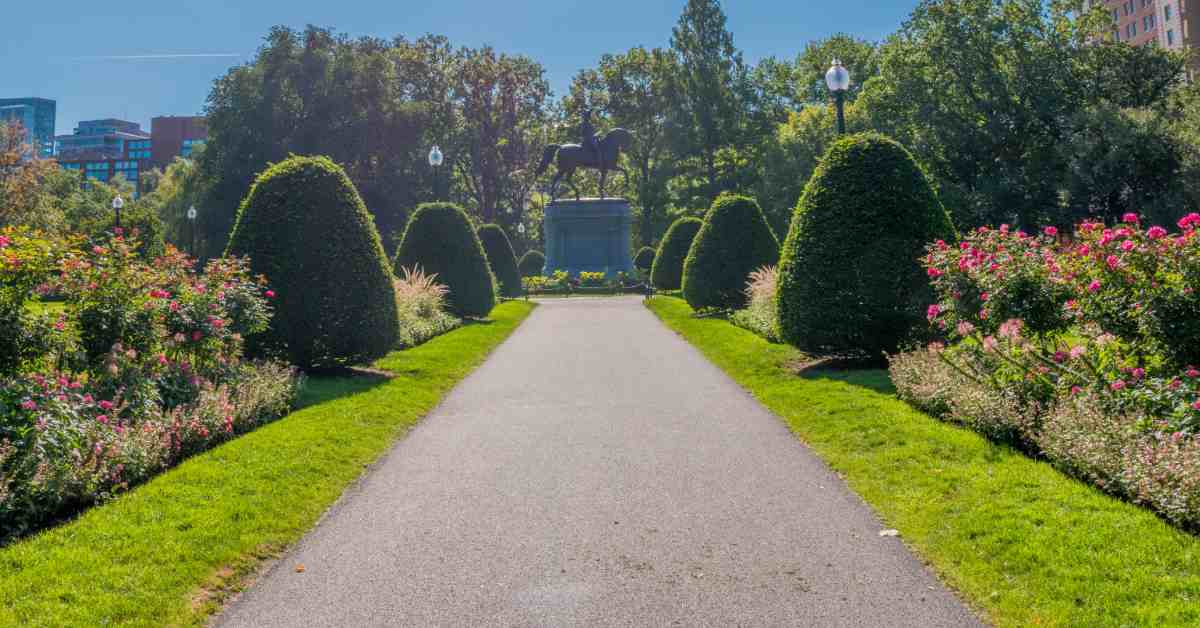
Frederiksberg Garden is Copenhagen’s most romantic green space, a former royal pleasure garden with canals, a hilltop palace, and free views of the zoo’s elephants. Here is my honest expat guide to visiting it well.
What Is Frederiksberg Garden?
Frederiksberg Garden, known in Danish as Frederiksberg Have, is a historic Romantic landscape park in Frederiksberg, central Copenhagen. It was created in the early 1700s as a royal garden below Frederiksberg Palace. Today it is free, open daily, and famous for its canals, herons, and views into Copenhagen Zoo.
I have lived near this part of the city for years. Of all Copenhagen’s parks, Frederiksberg Garden is the one I send visitors to first. It feels less like a tourist stop and more like a slice of everyday Danish life.
The History Behind Frederiksberg Garden
The story of Frederiksberg Garden begins with a king who wanted a summer view.
A Baroque Royal Beginning
King Frederik IV laid out the first garden around 1700. The original design was strict Italian Baroque, with straight avenues and clipped geometry. It was a stage for royal power, much like the grander royal gardens elsewhere in the capital.
That formal look did not last. Fashion shifted across Europe toward softer, wilder landscapes. The Danish court followed the trend, and the garden was reborn.
The Romantic Redesign
Between 1798 and 1804, the garden was reshaped into a Romantic English landscape park. Crown Prince Frederik, later Frederik VI, drove the project with real personal enthusiasm. Winding paths, artificial hills, and a network of canals replaced the rigid Baroque lines.
Frederik VI famously rowed through these canals on summer evenings. He let ordinary citizens watch the royal family at leisure. That mix of monarchy and public access still defines Frederiksberg Garden today.
Frederiksberg Palace: The Crown Above the Garden
Frederiksberg Palace sits on the hill at the southern end of the garden. The Baroque building was constructed between 1699 and 1703 as a royal summer residence. Its yellow walls and green copper roof dominate the skyline from almost every path below.
Here is a fact most guidebooks skip. Since 1869 the palace has housed the Royal Danish Military Academy, so it is not a regular museum. The public cannot usually wander inside, though occasional guided tours run on selected days. You can still climb the hill for the view, which is reason enough.
What to See and Do in Frederiksberg Garden
The garden rewards slow exploration, and a few features stand out.
The Canals and Boat Tours
The romantic canals are the soul of Frederiksberg Garden. They loop between small islands and under low stone bridges, dug deliberately for royal boating. In summer, guided boat tours glide along the water with a commentary on the garden’s history.
These tours run only in the warmer months and seats are limited. Check times in advance, because the boats fill quickly on sunny weekends. As reported by VisitCopenhagen, the canal trips remain one of the area’s most charming summer activities.
The Chinese Pavilion
On one of the islands stands the delicate Chinese Pavilion, built between 1799 and 1803. It reflects the European craze for Chinese style that swept aristocratic gardens at the time. Frederik VI used it as a private retreat for tea and quiet evenings.
You usually view the pavilion from the bank or the boat. It photographs beautifully against the water, especially in the soft light of late afternoon.
Watch the Elephants for Free
This is my favourite expat secret. Copenhagen Zoo borders the garden, and its elephant enclosure, designed by architect Norman Foster, opens toward the park. You can stand at the fence in Frederiksberg Garden and watch elephants without paying zoo admission.
Parents work this out fast. On a tight budget, a free elephant sighting beats almost anything. It is the kind of small, generous detail that makes me defend Danish public space to anyone who listens.
Herons, Lawns, and Quiet Corners
The tall old trees near the palace host a large colony of grey herons. In spring you can hear and see them nesting high in the canopy. Photographers and birdwatchers gather below with long lenses.
Beyond the wildlife, the wide lawns invite picnics, naps, and lazy afternoons. Families spread blankets the moment the sun appears, a ritual you will recognise from Fælledparken and other city parks.
Frederiksberg Garden Through the Seasons
Each season changes the mood of Frederiksberg Garden completely.
Spring brings blossom, fresh leaves, and the noisy return of the herons. Summer fills the lawns with sunbathers and the canals with boats. This is peak season, so expect company on warm days, much like Nørrebroparken across town.
Autumn turns the old trees gold and copper, perfect for a slow walk. Winter strips the garden bare and quiet, sometimes dusted with snow. I genuinely love it then, when the palace looms over an empty, frosted park.
Søndermarken and Cisternerne Next Door
Cross Roskildevej and you reach Søndermarken, the garden’s wilder twin. It was once part of the same royal landscape and shares the Romantic design language. The trees are denser, the crowds thinner, and the atmosphere more brooding.
Underneath Søndermarken lie the Cisternerne, vast former water reservoirs now used for art. The dripping, cathedral-like underground halls host striking installations. Pair them with Frederiksberg Garden for a day that swings from open sky to subterranean dark.
How to Get to Frederiksberg Garden
Frederiksberg Garden sits a few kilometres west of the city centre, and reaching it is simple.
- By Metro: Take the M3 Cityring to Frederiksberg Allé or Frederiksberg station, then walk a few minutes to an entrance.
- By Bus: Several city bus lines stop close to the garden’s main gates, including near the Frederiksberg Allé entrance.
- By Bike: Cycling is the local way to arrive, with bike racks at most entrances. Copenhagen’s lanes make the ride easy and pleasant.
- By Car: Street parking nearby is limited and paid, so I would not recommend driving. Public transport or a bike is far less stressful.
The garden has several gates, and the main one faces Frederiksberg Runddel. From there a grand avenue leads your eye straight up to the palace.
My Tips for Visiting Frederiksberg Garden
After years of bringing friends here, these are the tips I actually give.
- Go early or late: Mornings and evenings are calm, even in summer. Midday weekends get busy near the lawns and canals.
- Pack a proper picnic: Grab pastries or smørrebrød first. The garden has few facilities inside, so bring what you need.
- Find the elephant fence: Head to the southern edge by the zoo boundary. Children remember it long after the trip ends.
- Combine it with Søndermarken: Cross the road and add Cisternerne. Two contrasting worlds in one afternoon.
- Dress for Danish weather: Conditions change fast here. A light rain layer saves many an outing.
If you want a quieter alternative on a packed summer day, the nearby Botanical Garden or Ørstedsparken work well. Both sit closer to the city centre and offer their own charm.
Why Frederiksberg Garden Matters to Expats
Frederiksberg itself is technically its own municipality, a small, leafy enclave inside Copenhagen. The garden is its green heart, and it tells you a lot about Danish values. A former royal playground is now free, open, and shared by everyone.
That is the quiet lesson I keep relearning in Denmark. Public space is treated as a right, not a luxury, much like the waterfront parks and historic gardens dotted across the capital. For newcomers learning to live in Copenhagen, that ethos is worth understanding early.
Frequently Asked Questions About Frederiksberg Garden
What are the opening hours of Frederiksberg Garden?
Frederiksberg Garden is open daily, generally from early morning until sunset. Exact closing times shift with the seasons, opening later into the evening during summer. Gates can close earlier in winter, so check current signs before a late visit.
Is there an entrance fee for Frederiksberg Garden?
No. Entry to Frederiksberg Garden is completely free, all year round. You only pay for extras like the summer canal boat tours. This free access is part of what makes the garden so popular with locals and expats.
Can you go inside Frederiksberg Palace?
Not freely. The palace houses the Royal Danish Military Academy and is normally closed to the public. Occasional guided tours run on selected dates through the year. Check official listings in advance, since spots are limited and booking is often required.
Can you see the elephants from Frederiksberg Garden?
Yes. Copenhagen Zoo’s elephant enclosure borders the garden’s southern edge. You can watch the elephants from inside the park without paying zoo admission. It is one of the best free experiences for families anywhere in the city.
Are dogs allowed in Frederiksberg Garden?
Yes, dogs are welcome but must be kept on a leash throughout the garden. Owners are expected to clean up after their pets. These rules protect the herons, the lawns, and the experience for everyone using the space.
When is the best time to visit Frederiksberg Garden?
Late spring and summer are the most popular times, with blossom, boats, and long daylight. Autumn offers golden colour and fewer crowds. I find quiet winter mornings underrated, when the frosted palace stands above an empty, silent park.
How big is Frederiksberg Garden?
Frederiksberg Garden covers roughly 32 hectares of canals, lawns, and woodland. Together with neighbouring Søndermarken, the connected green area reaches around 64 hectares. That makes it one of the largest and most important historic landscapes in central Copenhagen.
Frederiksberg Garden: Final Thoughts
Frederiksberg Garden is more than a pretty park with royal roots. It is a working piece of Danish daily life, where students cross the lawns, parents chase toddlers, and herons argue overhead. The history is real, but the everyday use is what gives it soul.
Come for the palace and the canals. Stay for the elephants, the picnic light, and the unhurried feeling of a city that builds its grandest spaces for everyone. After all these years, Frederiksberg Garden still earns its place at the top of my Copenhagen list.