The Enchanting Role of Fælledparken in Copenhagen’s Urban Life
Key Points:
- Largest Urban Park in Copenhagen: Fælledparken spans 58 hectares, making it the largest public park in Copenhagen and a central space for recreation and community activities.
- A Legacy of Community and Leisure: Established in 1908, the park was designed as a ‘people’s park’ to foster community engagement through sports, events, and natural enjoyment.
- Cultural and Social Hub: Fælledparken hosts major events like May Day and Copenhagen Carnival, serving as a vibrant platform for cultural expression and social gatherings.
- Recreational and Family-Friendly Space: The park offers extensive sports facilities, playgrounds, and green areas, making it ideal for families, athletes, and outdoor enthusiasts.
- Urban Nature Sanctuary and Environmental Focus: Fælledparken supports biodiversity with meadows, ponds, and wooded areas, emphasizing sustainability and urban ecological conservation.
Fælledparken, a beloved sanctuary in the heart of Copenhagen, spans an impressive 58 hectares, making it the largest public park in the Danish capital. This verdant refuge is more than an expanse of green; it’s a cornerstone of community life and a testament to urban planning that prioritizes open spaces and natural beauty. Its significant size allows it to house a mix of recreational, cultural, and historical elements that enrich its attractive presence in the Østerbro district.
A Living Legacy of Community and Leisure
Since its establishment in 1908, Fælledparken has been a crucial component of Copenhagen’s landscape, offering residents and visitors a lush escape from urban life. The visionary behind its creation, Carl Theodor Sørensen, intended for the park to become a “people’s park” where citizens could commune with nature and engage in various activities. Over the decades, Fælledparken has evolved into a vibrant, multifunctional space that caters to diverse interests, from sports and outdoor exercise to community events and peaceful solitude.

Fælledparken’s significance stems from its seamless blend of history and modernity. The park is home to several landmarks, including the Monument to the Struggle for Culture, which pays homage to Denmark’s cultural resilience and growth over time. Such symbols within the park underscore its historical importance, making it a place where the past and present coexist harmoniously.
Cultural Epicenter and Social Gathering Place
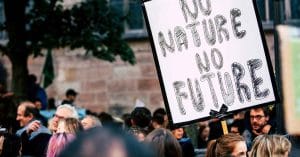
Fælledparken is much more than a green lung; it’s a vibrant social and cultural epicenter that hosts a wide array of events year-round. One of its most notable roles is as the setting for the annual May Day celebrations, where thousands converge to celebrate International Workers’ Day, reinforcing solidarity and commemorating labor rights advocacy. This tradition highlights the park’s historical role as a stage for social movements and community expression.
Additionally, Fælledparken comes alive during the Copenhagen Carnival, a vibrant celebration filled with colorful costumes, music, and dance, demonstrating the city’s cultural diversity. Such events draw diverse crowds, offering a dynamic platform for cultural exchange and festive joy. The park can comfortably accommodate large gatherings due to its vast size, further establishing its position as a central hub for public and social activities.
A Recreational Paradise
Beyond its cultural importance, Fælledparken is a sought-after recreational haven. The park features over 13 kilometers of running paths that attract athletes and casual joggers alike, while its expansive sports fields and courts cater to football, basketball, and tennis enthusiasts. The skate park offers a dedicated space for urban sports, drawing thrill-seekers and spectators alike.
Families, in particular, cherish the park’s large playground, which provides children with a safe and engaging environment to explore. Community-driven sports events frequently take place here, reinforcing the park’s commitment to promoting health, wellness, and community connections.
A Breath of Nature within the City
Fælledparken is also treasured for its role as an ecological sanctuary amidst the urban hustle of Copenhagen. Its meadows, wooded areas, and ponds foster a haven for biodiversity, offering a sanctuary for local flora and fauna. This commitment to preserving and encouraging biodiversity is part of the park’s broader focus on promoting sustainability and environmental stewardship.
For those keen on birdwatching and nature photography, Fælledparken provides a fertile ground for observing and capturing its native wildlife. The efforts to maintain a balanced ecosystem in the park illustrate Copenhagen’s broader objectives for green living and conservation within an urban setting.
In summary, Fælledparken is not merely a park; it embodies the essence of community, culture, recreation, and nature. As a living testament to Copenhagen’s dedication to creating inclusive and sustainable urban spaces, Fælledparken holds an esteemed place in the hearts of all who visit, offering an enriching experience that captures the city’s soul and spirit.
How and When to Visit Fælledparken
Planning a visit to Fælledparken offers an opportunity to explore one of Copenhagen’s most cherished natural and cultural landmarks. Its central location in the Østerbro district makes it easily accessible for both locals and international tourists, enhancing its appeal as a must-see destination when exploring Denmark’s capital. With its expansive 58-hectare area, the park promises an abundance of activities for everyone.
Optimal Visiting Times
Fælledparken is open to the public throughout the year, offering a different experience with each season. However, the best time to visit is during the late spring and summer months, between May and September, when the weather is at its most inviting. During this period, you’ll find the park’s natural beauty in full bloom, and many of its cultural events, such as the Copenhagen Carnival, take place, providing vibrant entertainment options.
Visitors seeking solace amidst nature may prefer the early morning or late afternoon hours. At these times, the park is generally quieter, allowing you to revel in a more peaceful atmosphere while absorbing the scenic beauty at a personal pace.
Getting to Fælledparken
Fælledparken’s convenient location makes it easily reachable via different modes of transportation. Situated roughly 3 kilometers from the city center, the park is a popular stop for those traveling by the extensive cycling paths Copenhagen is known for. Hiring a bicycle provides a scenic and eco-friendly journey to the park, embracing the city’s cycling ethos.
For those using public transportation, several bus lines serve the area, with stops on Blegdamsvej and Lyngbyvej bordering the park. This accessibility ensures seamless transit from various parts of the city, whether coming from nearby neighborhoods or further away.
For visitors arriving from Copenhagen Airport, the park is about a 30-minute journey via public transport. Taking the train to Nørreport Station followed by a bus ride can conveniently bring you to Fælledparken, offering a smooth transition from your travels to this urban escape.
Visitor Tips
Exploration Strategies: Fælledparken’s vastness can be daunting, but starting at the main entrance on Blegdamsvej equips you with easy access to all major segments of the park. Consider downloading a digital map to help navigate the network of paths and uncover hidden gems within its bounds.
Recreational Pursuits: For sports enthusiasts, carrying personal sports equipment can allow you to fully utilize the park’s amenities, whether playing tennis or football, or enjoying a casual run on its trails. The park offers a comprehensive array of facilities to cater to your athletic interests.
Dining Options: While there are kiosks and cafes in and around Fælledparken, bringing a picnic is a delightful way to enjoy the grounds, especially during summer. You can savor your meal in the midst of tranquil surroundings, making the most of the park’s inviting settings.
Photo Opportunities: Be sure to bring your camera or smartphone to capture Fælledparken’s picturesque landscapes and diverse wildlife. Its blend of natural beauty and historical structures provides a rich canvas for photographers seeking to capture Copenhagen’s multifaceted charm.
Nearby Attractions and Accommodations
Should you choose to extend your visit, the Østerbro district offers plentiful accommodations ranging from boutique hotels to modern apartments, placing you within walking distance of Fælledparken. This area also serves as a gateway to other iconic Copenhagen attractions such as the Little Mermaid statue, Kastellet fortress, and several museums, making it an ideal base for exploring further.
In summary, visiting Fælledparken is a rewarding experience, integrating Copenhagen’s green spaces, historical landmarks, and contemporary culture. Regardless of the season, the park promises an engaging and tranquil retreat from city life, welcoming all who seek to enjoy its multifaceted appeal.
Conclusion and FAQs About Fælledparken
Fælledparken stands as a testament to Copenhagen’s harmonious blend of nature, culture, and recreation. This expansive 58-hectare park serves both as a lush urban oasis and a vibrant cultural hub, attracting locals and visitors to its serene landscapes and dynamic events. With its rich history, extensive facilities, and welcoming atmosphere, Fælledparken is undeniably a cornerstone of Copenhagen’s community spirit.
Summary
– Largest Urban Park: Spanning 58 hectares, Fælledparken is Copenhagen’s biggest park, offering vast green spaces and numerous recreational activities.
– Cultural Significance: Home to major events like May Day celebrations and the Copenhagen Carnival, the park reflects the city’s cultural diversity and historical milestones.
– Recreational Hub: With its running paths, sports fields, and playgrounds, Fælledparken is a paradise for fitness enthusiasts and families alike.
– Accessibility and Convenience: Located just 3 kilometers from the city center and easily accessible by bike and public transport, the park is a staple in Copenhagen life.
Frequently Asked Questions About Fælledparken
1. Is there a fee to enter Fælledparken?
No, Fælledparken is a public park with free entry for everyone. Some events or specific facilities might have separate charges, but general access is complimentary.
2. Are there designated picnic areas within Fælledparken?
While there are no specific designated picnic areas, the park’s many open meadows and shaded spots provide ideal settings for picnicking. Visitors are encouraged to pick a quiet corner to enjoy their meals but should dispose of waste responsibly.
3. Can I bring my dog to Fælledparken?
Yes, dogs are welcome at Fælledparken, but they should be kept on a leash, especially in crowded areas, and owners are expected to clean up after their pets to maintain the park’s cleanliness.
4. Are there restroom facilities available in Fælledparken?
Yes, there are restroom facilities located throughout the park for visitors’ convenience.
5. What kind of events can I expect to see in Fælledparken?
Fælledparken hosts a variety of events, ranging from cultural festivals and concerts to community gatherings and sports competitions. It’s advisable to check local listings or the park’s official website for upcoming events during your visit.
6. Is Fælledparken accessible from Copenhagen’s public transport?
Absolutely, several bus routes serve the park, making it easily accessible from different parts of the city, and it’s also a short ride from major train stations like Østerport and Nørreport.
7. Is it possible to rent bicycles or sports equipment at Fælledparken?
While Fælledparken itself may not have rental facilities, several nearby businesses offer bicycle rentals, and it’s advisable to arrange equipment in advance to ensure availability.
8. Are guided tours available in Fælledparken?
While there aren’t regular guided tours strictly within Fælledparken, many city tours include the park as a key point of interest. Private tours can be arranged for a more focused exploration.
Whether you visit Fælledparken for its cultural events, recreational facilities, or simply to enjoy the tranquility of its natural landscapes, this green haven provides a compelling snapshot of Copenhagen’s dedication to community-focused urban design and environmental stewardship.