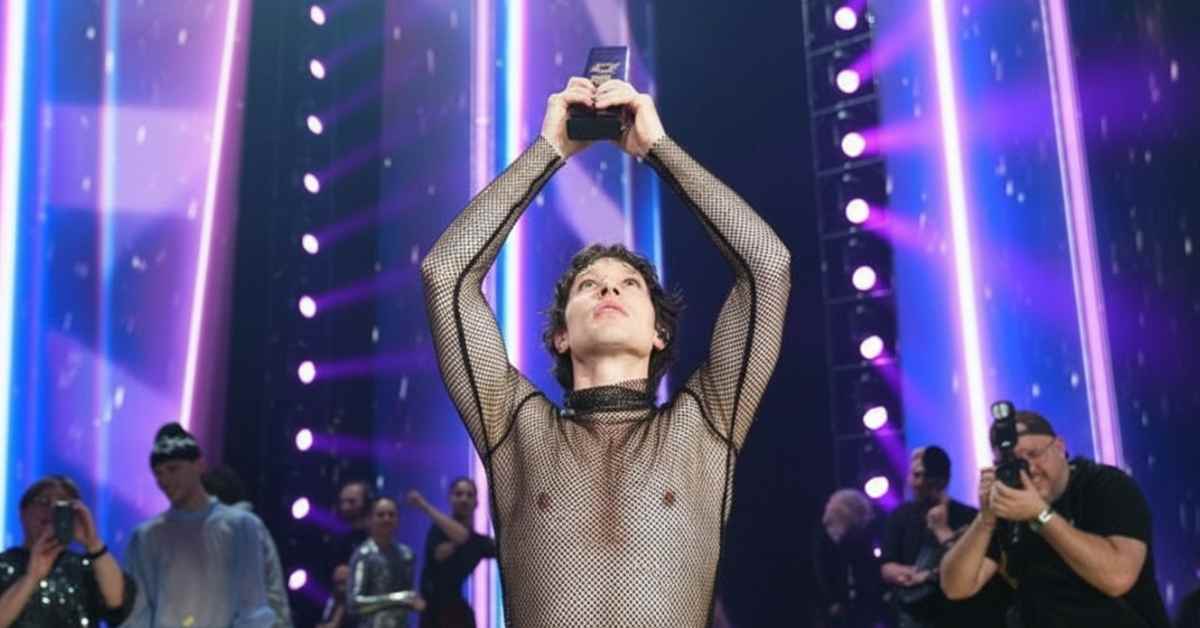
Denmark’s entry for Eurovision 2025 has been forced to tone down sexually suggestive lyrics and staging after the European Broadcasting Union flagged “Hallucination” for breaching family-friendly content rules.
As reported by DR, the song will need significant changes before it can compete in Switzerland this May. The winning performance at Dansk Melodi Grand Prix, delivered by 30-year-old teaching student Sissal, caught the attention of Eurovision’s Reference Group for all the wrong reasons. Specific lyrics and visual elements were deemed too explicit for a contest that brands itself as suitable for viewers of all ages.
I’ve watched Eurovision evolve over the years I’ve lived here. The contest has become bolder, more theatrical, and occasionally more provocative. But it still operates within boundaries that sometimes feel arbitrary, especially when you consider what passes on streaming platforms or in music videos today.
What Has to Change
DR confirms the core song will remain intact. But the staging concept and certain performance elements must be reworked before the final Eurovision submission deadline in late March. The broadcaster describes the revised version as less daring but still modern and strong, whatever that means in practice.
The exact offending material has not been disclosed publicly. This is standard practice for the EBU, which prefers to negotiate changes behind closed doors rather than publicly call out specific broadcasters. Danish media refer only vaguely to elements that are “for frække”, too cheeky or sexually charged for Eurovision’s image.
What we do know is that Sissal and her team are now preparing what Avisen.dk calls a “helt nyt show”, an entirely new performance concept. The choreography, camera angles, and possibly costume choices are all on the table. The timeline is tight, and the pressure on a relatively inexperienced artist is considerable.
The Rules and Precedents
Eurovision’s official rules prohibit content that is political, commercial, or offensive. They also demand compliance with standards of good taste across more than 30 participating countries. The language is deliberately broad, giving the EBU room to interpret what crosses the line.
This is not the first time a country has been told to modify an entry. Georgia withdrew in 2009 after refusing to change a song with anti-Putin wordplay. Armenia reworked its 2015 entry to soften references to the Armenian genocide. In most cases, broadcasters comply quietly and move on.
Denmark’s situation follows that pattern, except the trigger is sexual rather than political. The EBU seems more alert to explicit content when it comes packaged in choreography and close-up camera work, even if the same themes would barely register as controversial in mainstream pop.
The Danish Debate
Opinion in Denmark is divided. Some argue Eurovision has already shifted toward a more adult aesthetic, pointing to recent winners and fan favorites that pushed boundaries without consequence. They see the EBU’s intervention as inconsistent and outdated, especially given how much explicit content thrives elsewhere in European pop culture.
Others counter that Eurovision remains a family show by design, broadcast in conservative markets as well as liberal ones. DR, as a public service broadcaster, has obligations that extend beyond Denmark’s borders. The compromise framing from DR reflects this tension: they want to reassure fans the entry won’t be watered down while also signaling respect for European broadcasting norms.
I find myself skeptical of both positions. The EBU’s guidelines are vague enough to allow selective enforcement, and the lack of transparency around what specifically triggered the demand feeds suspicions of double standards. At the same time, DR and Sissal knew the rules going in. If the staging was genuinely boundary-pushing, this outcome should not have been a surprise.
What Happens Next
The revised performance will be unveiled during rehearsals in Switzerland, likely in early May. Until then, we won’t know how much the changes dilute the original concept or whether the song retains its competitive edge. Betting markets have not yet moved significantly, and fan reactions remain speculative.
DR is framing this as a creative evolution rather than censorship. Whether that holds up depends on what audiences see on stage. If the new version feels timid or compromised, the backlash could extend beyond Eurovision fans to broader questions about artistic freedom and Denmark’s willingness to self-censor for international approval.
For now, Sissal and her team are caught between two worlds: the bold, globalised pop aesthetic that won her Dansk Melodi Grand Prix, and the more cautious, rule-bound universe of Eurovision. How they navigate that gap will define Denmark’s 2025 campaign.
Sources and References
DR: Fræk til Eurovision: Danmark tvunget til at ændre i Grand Prix-sang
The Danish Dream: The Danish Music Museum
The Danish Dream: The Acclaimed Grand Prix Chair by Arne Jacobsen