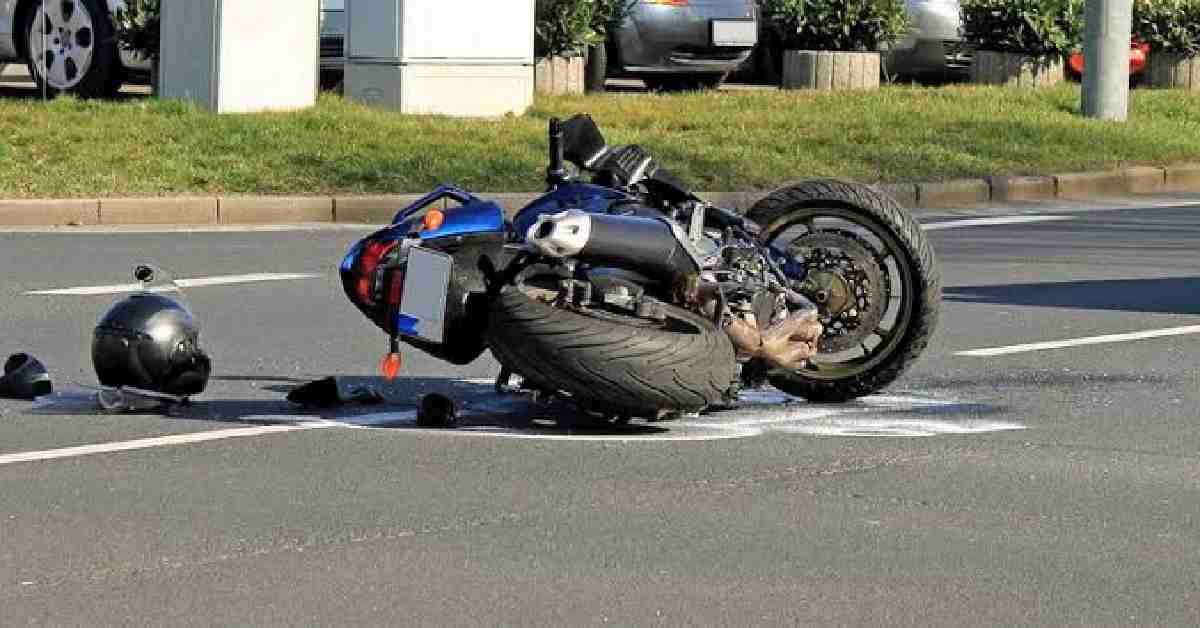
Three motorcyclists died on Danish roads in just five days this June, underscoring a stubborn reality: riders remain several times more likely to die per kilometre than car drivers, and in Copenhagen and Aarhus, non‑Danish citizens account for roughly 10–15% of serious road casualties despite making up only 8–9% of the national population.
The spate of deaths has prompted fresh enforcement campaigns by Danish police, but the statistics behind the headlines reveal a less familiar dimension of motorcycle risk. When you dig into Statistics Denmark’s detailed casualty tables broken down by citizenship and municipality, a pattern emerges that most outlets miss. Foreign nationals are slightly over‑represented among people killed or seriously injured on the roads in Denmark’s largest cities, precisely where many internationals live, work, and commute on two wheels.
Denmark still ranks as one of Europe’s safest countries for motorcyclists per registered bike, according to a 2016 FEMA study. The national road death rate stood at 2.6 per 100,000 inhabitants in 2022, roughly half the EU average of 5.2. Yet powered two‑wheelers account for around 18% of Denmark’s road deaths while representing only a fraction of motorised traffic, and that share has stopped falling.

The Expat Angle Nobody Reports
The official data do not provide a clean category for expat motorcyclists. But StatBank tables that separate casualties by “statsborgerskab” and vehicle type show that non‑Danish nationals make up a disproportionate minority of seriously injured riders in urban areas. This matters because many internationals arrive with licences from countries with very different lane rules, helmet laws, and winter norms.
Several Danish police districts have flagged unfamiliarity with local right‑of‑way rules, especially “højre vigepligt,” and priority for cyclists as factors in foreign riders’ crashes. Motorcycling is also more seasonal in Denmark than in many expats’ home countries. The sharp spring and summer spike in powered two‑wheeler casualties coincides with holidays and festivals when visitors and short‑term residents are more likely to rent bikes.

What Has Changed
Denmark’s overall road deaths climbed to 154 in 2022, up 18.5% on 2021, though still about 15% below the 2017–19 average. The relative risk for riders has plateaued or worsened in some measures, prompting police and the Transport Ministry to update enforcement campaigns with an explicit powered two‑wheeler focus. Recent initiatives include expanded use of section control, or average‑speed cameras, on rural routes and outreach in English and Polish in some districts.
Driving in Denmark means adapting to strict enforcement and strong legal protection for cyclists and pedestrians. For foreign riders, that adjustment is even steeper. WHO’s 2022 manual on powered two‑wheeler safety calls for separating motorcycle traffic where speeds exceed 50 km/h and installing motorcycle‑friendly guardrails without exposed posts. Danish police have begun trialling exactly those guardrail designs on selected blackspots, a detail that has not been widely reported.
Why the Risk Persists
Europe‑wide data show that powered two‑wheelers represent a disproportionate share of road trauma considering their relatively limited use. Motorcyclists are more likely to crash during daytime at weekends and less during the morning commute, according to an EU factsheet. In Denmark, a classic forensic study from Funen found that 50% of killed motorcycle operators in the 1970s and 80s had a blood alcohol concentration above 0.08%, far higher than in car crashes. That study is dated, but there is very little up‑to‑date BAC data for motorcyclist fatalities, and stakeholders disagree on how big a problem riding under the influence currently is.
Rider organisations across Europe push back against narratives that portray motorcyclists as uniquely reckless. They cite studies showing that in many multi‑vehicle crashes, the primary fault lies with car drivers who fail to notice motorcycles. Some argue that Denmark’s relatively low PTW fatality rate per registered machine suggests infrastructure and culture are already favourable, so new measures should be evidence‑based rather than reactive.
Practical Steps for Internationals
For expats who ride, the most effective immediate actions are to understand Danish priority rules, invest in high‑visibility gear suitable for Nordic weather, and convert or supplement foreign licences properly. Many internationals arrive with licences from outside the EU or EEA and, depending on origin country, may need to exchange their licence within a set period or pass a Danish driving test for motorcycles.

Checking insurance coverage is essential. Some foreign policies exclude Denmark or powered two‑wheeler use in winter. Attending advanced riding courses run by Danish motorcyclist associations or driving schools can help close the gap in hazard perception. Those working in delivery or gig‑economy roles should know that Danish occupational‑safety rules apply regardless of nationality, and employers are increasingly scrutinised for helmet use and bike condition.
Denmark may be one of Europe’s safer places to ride a motorcycle, but that aggregate safety hides a subtle reality. The riders who do crash include a visible and slightly over‑represented cohort of foreigners navigating unfamiliar rules in a country where cyclists have right of way and weather changes fast. The three deaths in five days are a reminder that even in a low‑risk country, two wheels demand constant vigilance.