Danish companies are scaling back in the Middle East as months of conflict and Houthi attacks in the Red Sea force firms to rethink investments, reroute shipments, and put expansion plans on hold.
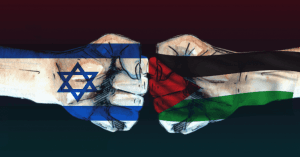
The mood has shifted sharply since October 2023. What began with Hamas’s terror attack and Israel’s response in Gaza has rippled out across the entire region. For Danish businesses, the risk calculation changed almost overnight. Some are quietly pulling back. Others are pausing new projects. Nearly all are working with scenarios they hoped never to use.
The Red Sea Problem
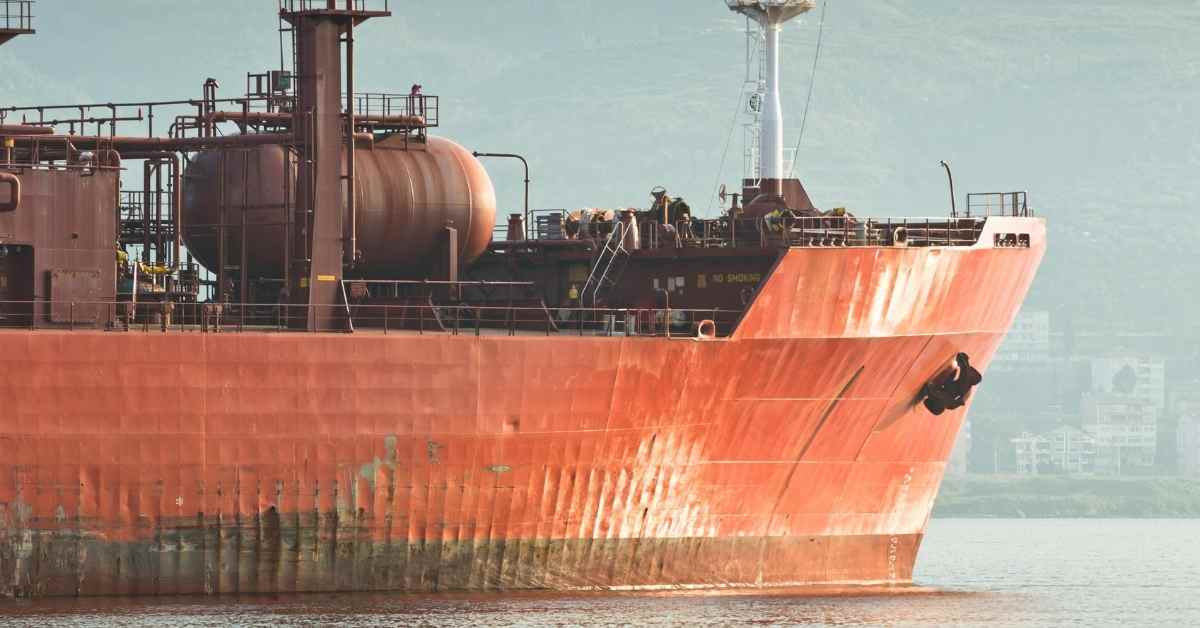
The most visible impact has been at sea. Houthi militias in Yemen began attacking commercial vessels in the Red Sea and Bab al-Mandeb strait in December 2023, officially in support of Gaza. A.P. Møller-Maersk has repeatedly suspended transit through the area and sent ships south around the Cape of Good Hope instead. That adds 10 to 14 days to the journey between Asia and Northern Europe.
It also adds costs. Fuel burns longer. Insurance premiums jump. Temperature-controlled cargo, including Danish food and pharma exports, faces delays. Some firms have built bigger buffers or sought alternative routes. The knock-on effects reach far beyond the ships themselves. Danish exporters relying on timely delivery to Gulf markets now face longer lead times and tighter margins.
As reported by DR, the uncertainty is forcing companies to scale back activity in practical, measurable ways. It is not panic. It is caution born of experience.
Where the Pullback is Happening
The impact varies by sector. Shipping and logistics firms are on the front line. Rerouting is expensive, but at least there are routes. For companies relying on local presence in Israel or neighbouring countries, the choices are harder. Some have delayed hiring. Others have frozen new investment until the picture clears.
Energy and offshore firms are still active, especially in Saudi Arabia and the UAE. Long-term green projects continue, but with sharper risk assessments. Consultants now advise clients to model worst-case scenarios that include regional escalation and attacks on critical infrastructure. The Gulf states have largely stayed out of direct military involvement, which helps. But proximity to the conflict zone still raises the bar for insurance and financing.
Food and pharmaceutical firms face supply chain strain but steady demand. Governments in the Gulf prioritize access to medicine and staples, so the business case holds. Yet firms are more cautious about new joint ventures or distribution deals. No one wants to lock in capital when the next headline could shift the ground again.
Construction and Engineering on Hold
Danish engineering and advisory firms have been active in Saudi Arabia and the UAE for years, working on urban development, climate infrastructure, and transport megaprojects. Many of those projects sit far from any front line. But investors and banks now demand more detailed risk reports, including force majeure clauses and contingency financing. Some Danish firms have chosen to stay quiet about their engagements, wary of exposure at home or abroad.
I have watched this region’s ups and downs for years. What strikes me now is the tone. This is not the familiar cycle of tension and calm. The uncertainty feels deeper, more structural. Companies that once saw the Gulf as a sure bet now hedge that confidence with exit strategies.
Denmark’s Political Balancing Act
Part of the tension comes from Denmark’s own position. The government condemned Hamas’s October attack and supports Israel’s right to self-defence within international law. It has also criticized the humanitarian toll in Gaza and backed UN resolutions calling for ceasefires and aid. Denmark has not imposed a full arms embargo on Israel, but has suspended some export licenses.
That middle line satisfies almost no one. In some Arab markets, Denmark is seen as too close to the US and EU line. Danish brands are not the primary target of consumer boycotts, which have focused on American and French names. But Danish firms with shared distribution channels or international branding can still get caught in the crossfire.
For expats working here, it is a familiar Danish dilemma: pragmatism that looks like evasion. The government wants stable trade relations and moral clarity. Sometimes those goals conflict.
EU Constraints and Compliance
As an EU member, Denmark is bound by common sanctions and export controls. The EU has tightened restrictions on Iran, Syria, and Hamas-linked actors. That means Danish firms working with dual-use technology or security equipment in the region face more compliance checks. It can be a competitive advantage, signaling responsibility. It can also slow deals, especially when competitors from China or Russia face no such scrutiny.
What Experts Say
Risk analysts are not advising a full exit. The Middle East remains one of the world’s fastest-growing markets for green tech, infrastructure, and energy. The advice is to “de-risk” rather than abandon ship. That means spreading exposure geographically, strengthening due diligence on local partners, and planning for logistics shocks.
Economists note that the overall impact on Danish GDP and inflation has so far been modest. But they warn that a broader war involving Iran or disrupting oil and gas flows could change that fast. Firms that have already diversified markets and built inventory buffers are in better shape than those dependent on a single route or country.
There is disagreement about how far back Danish firms should pull. Some NGOs and researchers argue for temporary exits from high-risk areas, citing worker safety and human rights concerns. Others say staying engaged supports stability, jobs, and the green transition. They warn that hasty withdrawal can harm local communities and Denmark’s long-term interests.
The Data Gap
One frustration is the lack of hard numbers. There is no systematic count of how many Danish companies have scaled back in the Middle East since October 2023, or by how much. Much of what we know comes from industry groups, anonymous sources, and single cases. That makes it hard to separate short-term adjustments from lasting strategic shifts.
Better data would help. It would clarify the impact on exports, employment, and investment. It would also make it easier to hold both companies and policymakers accountable for their choices.
What Comes Next
If the conflict escalates into a wider regional war, the shock would be felt globally. Oil and gas prices would spike.