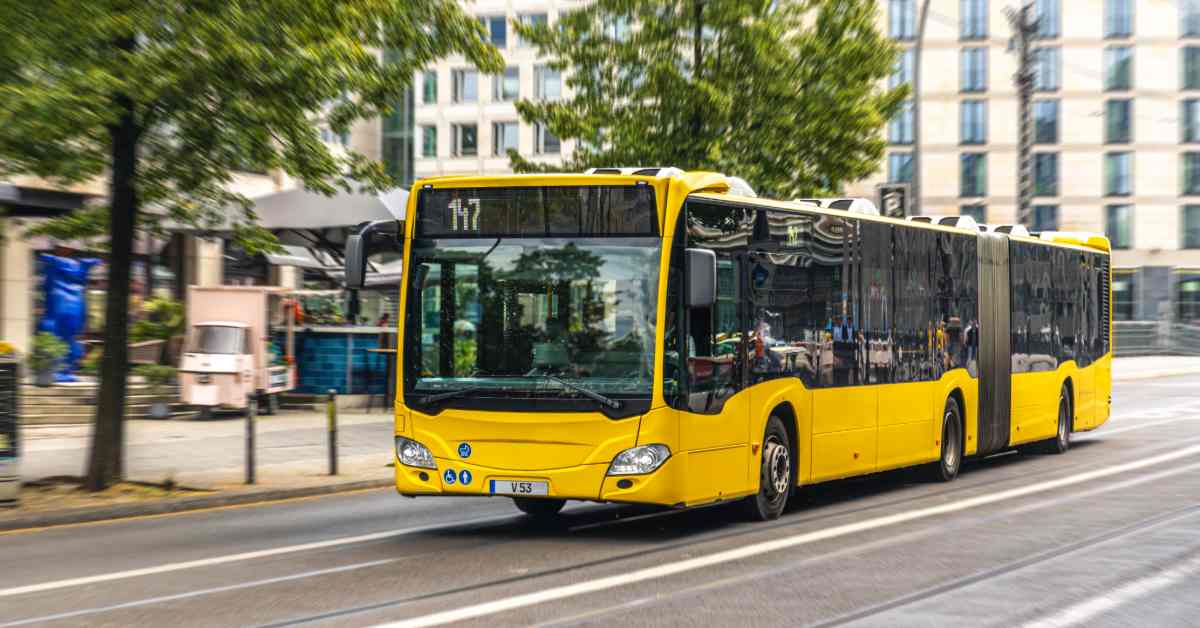
Copenhagen is banning tourist buses from their stop at Marmorkirken, one of the city’s most iconic landmarks. The move follows years of complaints from residents about noise, congestion, and blocked sidewalks in the historic neighborhood surrounding the baroque church and Amalienborg Palace.
The decision to remove the hop on hop off bus stop near Frederik’s Church, known locally as Marmorkirken, marks the latest front in Copenhagen’s ongoing battle to manage mass tourism in its densely packed historic center. According to TV2, the buses will no longer be permitted to drop off and pick up tourists at the current location on Frederiksgade, forcing tour operators to find alternative arrangements.
The church sits at the heart of one of Copenhagen’s most architecturally significant districts, surrounded by narrow streets designed centuries before anyone imagined coaches full of cruise ship passengers would descend multiple times daily. Residents in the area have reportedly complained for years about the diesel fumes, idling engines, and crowds of tourists blocking access to their homes and local businesses.
The Copenhagen Tourism Dilemma
I have watched this tension build for years. Copenhagen wants tourism revenue. It also wants to remain a livable city for the people who actually live here. Those two goals clash most visibly in neighborhoods like Frederiksstaden, where international visitors come to photograph the Amalienborg guards and climb the dome of Marmorkirken while locals just want to buy groceries or cycle to work without navigating tourist bottlenecks.
The city’s Climate, Environment and Technology Committee discussed different scenarios for relocating the bus stops in meetings leading up to the April 2026 decision. Municipal officials have been clear that tourism infrastructure needs to adapt to residential quality of life concerns, not the other way around. That represents a significant shift from the previous decade, when Copenhagen aggressively marketed itself to international visitors with little apparent consideration for the consequences in neighborhoods like this one.
What Happens Next
Tour bus operators now face the challenge of redesigning their routes through central Copenhagen. The Marmorkirken stop served as a convenient hub for visitors wanting to see both the church and the nearby royal palace complex. Removing it will likely push tourists toward the Amalienborg Palace area itself or require longer walks from alternative drop off points.
Some operators may redirect buses to areas with better traffic capacity, though few such areas exist in the medieval street grid of central Copenhagen. Others might shift more visitors toward the metro system, with Marmorkirken station providing direct access to the church and surrounding attractions. That would align with the city’s broader push to reduce vehicle traffic in the historic core.
Local businesses near the current bus stop may see reduced foot traffic, though the impact depends heavily on where tourists end up instead. If visitors simply walk a few extra blocks from a new location, nearby shops and cafes might actually benefit from more pedestrian traffic and fewer idling buses.
The Broader Pattern
This ban fits a clear pattern across European cities wrestling with overtourism. Barcelona has cracked down on tour buses in residential neighborhoods. Amsterdam limits coach access to much of the city center. Venice now charges day trippers an entrance fee. Copenhagen is hardly alone in recognizing that unmanaged tourism degrades the very qualities that make a place worth visiting.
What makes Copenhagen’s approach notable is the specificity. Rather than broad bans or tourist taxes, the city is making tactical decisions about where large vehicles can and cannot operate. That allows for more surgical interventions in problem areas while keeping tourism infrastructure functioning elsewhere.
The question is whether tactical bans are enough. Copenhagen received over 12 million overnight stays in 2025, and cruise ship arrivals continue to surge. Removing one bus stop near one church does not address the fundamental mismatch between the city’s infrastructure and its visitor numbers. It does, however, signal that residential concerns are finally being weighted against tourism revenue in municipal planning decisions.
For residents near Marmorkirken, the change cannot come soon enough. For tour operators, it represents another logistical headache in an increasingly complicated regulatory environment. For Copenhagen as a whole, it is one small step toward answering a question the city has avoided for too long: how many tourists is too many?
Sources and References
The Danish Dream: Exploring Danish Architecture Copenhagen
The Danish Dream: Cycling in Copenhagen A Comprehensive Guide
The Danish Dream: Shopping in Copenhagen Comprehensive Guide Expats
TV2: Udskaeldte turistbusser forvises fra stoppested ved Marmorkirken