For the first time since Denmark introduced the two percent electoral threshold in 1953, all twelve parties competing in a national election have secured seats in parliament. Both the Citizens’ Party and the Alternative, which spent the campaign hovering near the threshold, cleared the bar on election night March 24, marking a historic moment in Danish democratic politics.
I have covered Danish elections long enough to know that election nights usually claim casualties. Someone always falls short. The two percent threshold, introduced to prevent parliamentary fragmentation, typically does its job. But not this time. When the final votes were tallied after yesterday’s parliamentary election, all twelve parties had made it through.
The Citizens’ Party scraped in with 2.1 percent and four seats. The Alternative did slightly better with 2.6 percent and five seats. Both parties had spent weeks watching polls that put them right on the edge. Both survived.
A Compressed Campaign Season
Prime Minister Mette Frederiksen called the election from the parliamentary podium on February 26, setting the vote for March 24. That gave parties and voters exactly 26 days to make their cases and their choices. By Danish standards, this ranked as one of the shorter campaigns in recent memory, though not the shortest. Elections in the 1990s and 2000s sometimes gave even less time.
The compressed timeline did not hurt turnout or participation. Electoral law requires a minimum of roughly three weeks between the announcement and voting day to allow for mail ballots, candidate registrations, and official notices. Frederiksen worked within those rules. She also worked within the constitutional requirement to hold elections at least every four years. The previous election took place November 1, 2022, meaning she could have waited until late 2026. She chose not to.
Who Got to Compete
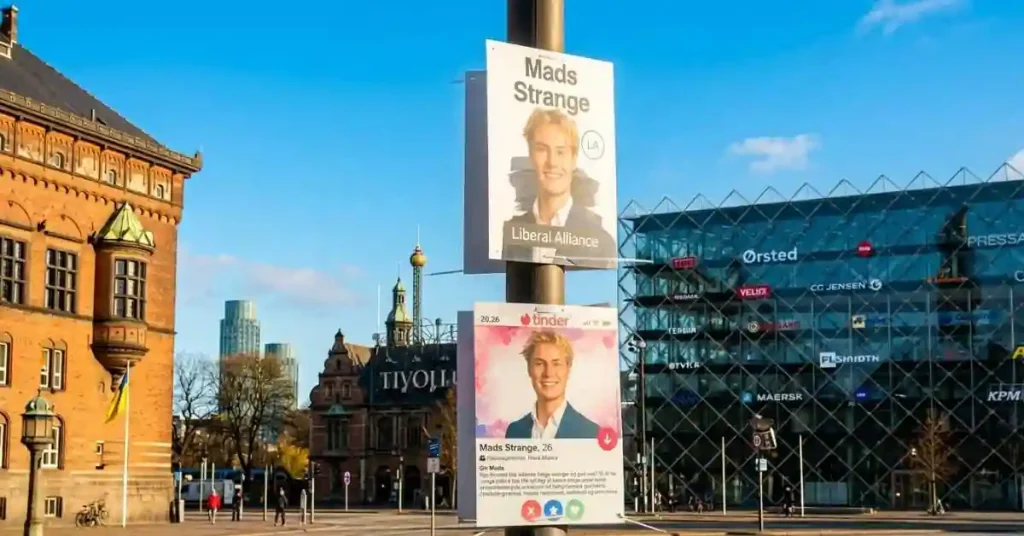
Twelve parties had the automatic right to field candidates in Denmark proper: the Social Democrats, Venstre, the Moderates, the Social Liberals, the Conservatives, the Socialist People’s Party, the Red Green Alliance, the Danish People’s Party, the Liberal Alliance, Denmark Democrats, the Alternative, and the Citizens’ Party. The last of those, led by Lars Boje Mathiesen, earned its spot through his election to parliament in a previous cycle.
The New Right did not make the list. It lost parliamentary representation on January 16, 2024, and with it the automatic right to compete. Danish electoral law grants that privilege only to parties holding seats since the last election. The deadline for new parties to register came and went on March 9. The deadline for candidate filings closed March 13. No surprises emerged.
The Faroe Islands fielded six parties for its two seats. Greenland put forward five for its two. Leaders in both territories reflect recent shifts in local politics. Beinir Johannesen has led the People’s Party in the Faroes since November 2022. Mute Egede has led Inuit Ataqatigiit in Greenland since late 2018. These northern Atlantic territories vote in sync with Denmark but focus on issues like fishing rights, autonomy, and climate adaptation.
Clearing the Bar
Lars Boje Mathiesen stood before his supporters on election night and dedicated the result to young people who feel like outsiders. He told them never to give up. He told them never to let anyone push them down. His party had spent the campaign fighting for survival. It won that fight.
Franciska Rosenkilde, the Alternative’s political leader since 2021, had watched her party nearly disappear before. She brought it back once. She did it again. As reported by DR, she said her party had put climate, nature, and environment back into the political conversation. She noted those issues barely existed in public debate when Frederiksen called the election. Now they would be at the negotiating table.
The Alternative pulled 2.6 percent. The Citizens’ Party pulled 2.1 percent. Neither result suggests a groundswell of support. Both suggest just enough voters wanted these voices in parliament to keep them there. In a system designed to filter out marginal parties, that counts as a win.
What Happens Next
Frederiksen launched her campaign with a proposal to tax the wealthiest one percent of Danes and use the revenue to reduce class sizes in public schools and eliminate property value taxes on homes worth less than one million kroner. She signaled openness to forming either a traditional red bloc government or a coalition across the center. Her current government, formed in December 2022, brought together the Social Democrats, Venstre, and the Moderates. That arrangement could continue, expand, or fracture depending on the final seat distribution and coalition talks.
I cannot yet say how many seats each party won beyond the threshold clearers. Official results take time to process and publish. But the threshold itself, which has stood for 73 years as a barrier against fragmentation, failed to block anyone this time. Twelve parties entered. Twelve parties will serve. That has never happened before in the modern Danish parliament. Whether it represents democratic vitality or the beginning of gridlock remains to be seen.
Sources and References
The Danish Dream: Social Democrats Suffer Historic Election Collapse in Denmark The Danish Dream: Venstres Stunning Comeback More Mayors Fewer Votes The Danish Dream: Denmarks Local Elections Shake Up Power Balance The Danish Dream: Best Political Advisors in Denmark for Foreigners DR: Alle partier kommer ind Wikipedia: Folketingsvalget 2026 Statsministeriet Folketinget