Denmark’s military conscription system is undergoing a major expansion as the new 11-month service requirement took effect in February 2026, doubling the future number of conscripts amid rising security concerns. The reforms now include women and extend training to create a larger, more skilled reserve force for NATO and territorial defense.
Extended Service Begins Amid Security Concerns
The Danish military started its expanded conscription program in February 2026, six months ahead of schedule. The new system extends mandatory service from four months to 11 months for most conscripts. Defense Minister Troels Lund Poulsen accelerated the timeline in a Constitution Day speech, citing the war in Europe, trade tensions, and regional instability as reasons for urgency.
First Cohorts Report for Duty
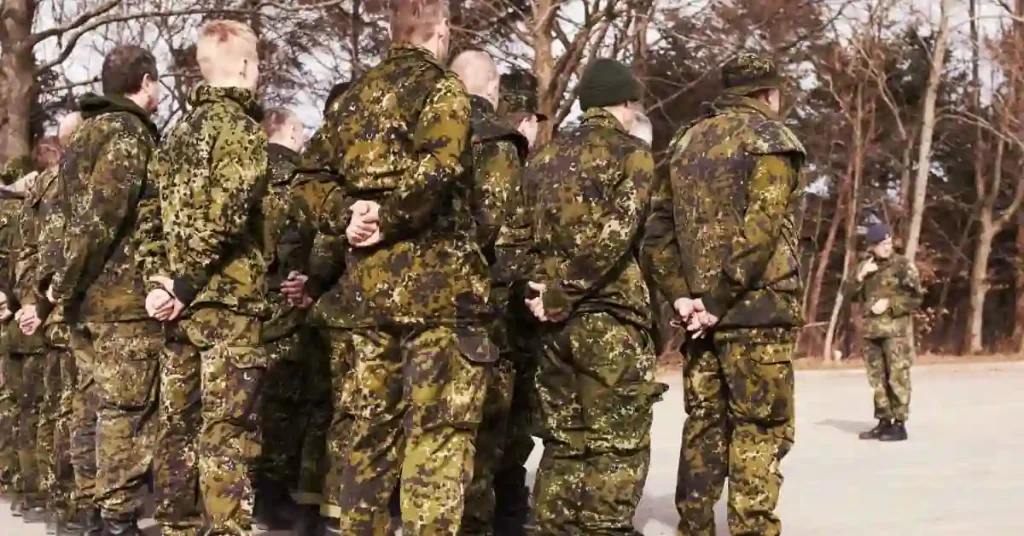
Approximately 2,000 young Danes began the extended service in February at locations including Haderslev Kaserne for Army training and Flyvestation Karup for Air Force roles. These first groups mark a significant shift in how Denmark prepares its citizens for military service. The program splits into five months of basic training followed by six months of operational service, allowing conscripts to take on roles as sergeants or junior officers.
The government projects this model will produce between 6,500 and 7,500 trained conscripts annually by 2033. That represents a substantial increase from the roughly 5,000 conscripts Denmark trained each year under the previous system. Meanwhile, annual call-ups for Forsvarets Dag assessments have doubled from 35,000 to 70,000 young people.
Women Now Included in Mandatory Service
The reforms introduce full gender equality in conscription for the first time. All women who turned 18 after July 1, 2025, now face mandatory assessment at Forsvarets Dag alongside their male counterparts. Previously, women could volunteer but faced no obligation.
About 25 percent of voluntary conscripts in recent years have been women. The government emphasizes that including women will bring diverse skills and perspectives to the military. However, some advocates worry about potential harassment issues, given Denmark’s military has faced criticism over workplace culture in the past.
Operational Duties and NATO Commitments
The extended service model aims to create a more capable reserve force that can respond quickly to crises. Unlike the old four-month system, which focused mainly on basic training, the new structure prepares conscripts for actual military operations after their initial training period.
Deployment Options Expand
After completing five months of basic training, conscripts may be assigned to operational units. This includes potential service with Denmark’s 1st Brigade, which operates in Latvia as part of NATO’s enhanced forward presence. The defense agreement allows the minister to order compulsory overseas deployment if the security situation worsens, though officials say this would apply only to territorial defense or deterrence scenarios.
This marks a significant departure from previous policy, which generally kept conscripts within Danish borders. Critics point out that the criteria for determining a worsened security situation remain vague in the agreement. The minister would have authority to make that call without explicit parliamentary approval for individual deployments.
Addressing Personnel Shortages
The reforms respond to concrete staffing challenges beyond just creating a larger reserve. Denmark’s military faces shortages in personnel needed for everyday operations. These include guarding critical infrastructure and operating the sophisticated weapon systems the country has recently purchased.
Chief of Defense Flemming Lentfer describes the strengthened conscription system as a necessary foundation for completing military tasks. The longer service period produces conscripts with genuine operational experience rather than just introductory training. This helps fill gaps in active units while building a mobilization pool for emergencies.
Political Context and Defense Spending
The conscription expansion stems from the June 2023 defense agreement covering 2024 through 2033. That broad political settlement included not just changes to military draft policy but also major increases in defense spending and equipment purchases.
Budget Increases Support Expansion
Denmark has committed to substantial defense budget growth over the coming years. The government frames these investments as essential to meeting NATO obligations and responding to threats from Russia. NATO member states agreed in 2025 to raise defense spending targets to five percent of gross domestic product, adding pressure for countries like Denmark to expand military capacity.
The conscription reforms align with hardware purchases including new air defense systems and naval vessels. However, expanding the number of conscripts also requires significant infrastructure investment. Facilities across Denmark are undergoing renovation or construction to accommodate the larger cohorts.
Realm-Wide Implications
The new conscription rules apply to Danish citizens throughout the realm, including those in Greenland and the Faroe Islands. Citizens with Danish addresses in these territories will receive call-up notices for Forsvarets Dag assessments. However, there is no local conscription or military infrastructure in Greenland or the Faroes.
Greenland offers alternative voluntary programs like the Arctic Basic Training course for residents interested in military-adjacent service. The inclusion of realm citizens in the broader conscription pool reflects Denmark’s emphasis on shared security responsibilities across its territories.
Implementation Challenges Ahead
Putting the expanded conscription system into practice presents logistical and cultural challenges. The military must not only train more people but also ensure adequate facilities, equipment, and instructor capacity exist to maintain quality.
Infrastructure Under Pressure
Military installations across Denmark are experiencing intense construction activity. Some existing barracks require only renovation to meet new standards. Others are so outdated that temporary facilities have been erected to house conscripts while permanent buildings undergo major reconstruction.
The scale of this building program will need to expand further if conscript numbers continue to rise. Facilities that currently train conscripts exist primarily in Jutland, with some on Zealand and Bornholm. Adding thousands more service members annually will strain these existing locations and may require new bases in currently underserved regions.
Voluntary vs. Compulsory Service
For many years, all Danish conscripts have been volunteers despite the legal draft framework. Young people selected service either because they wanted the experience or because the short duration made it manageable. The combination of longer service and higher demand may change that dynamic.
As more conscripts are needed, some may receive call-up notices despite preferring not to serve. After completing Forsvarets Dag assessments, those deemed fit draw lottery numbers. Low numbers can result in compulsory service even for those who would rather avoid it. This represents a significant shift from recent practice, where enough volunteers typically stepped forward to fill available slots.
A Personal Take
The security environment has genuinely deteriorated since Russia’s invasion of Ukraine, and Denmark’s NATO commitments require substantial personnel increases. A larger, better-trained conscript force provides both immediate operational capacity and a mobilization reserve that could prove essential in a crisis. On the other hand, extending service to 11 months and potentially deploying conscripts overseas crosses traditional boundaries that kept the draft limited and domestic. The lack of clear criteria for compulsory foreign deployment gives considerable discretionary power to the defense minister.
Sources and References
The Danish Dream: Denmark Doubles Military Draft to Face Russia
The Danish Dream: Denmark Spends 43 Billion on Defense by 2035
The Danish Dream: Denmark’s Military Gets 275 Million in New Deal
The Danish Dream: Best Immigration Lawyers in Denmark for Foreigners
DR: DR’s forsvarskorrespondent: Dobbelt op på værnepligtige bliver en ‘større øvelse’
Regeringen: Official Government Website
Forsvaret: Danish Defense Official Website