A 23-year-old Danish entrepreneur faces a potential wealth tax bill of 75,000 kroner despite his startup running at a loss. His paper wealth stems from investor valuations, not actual profits, highlighting concerns about how Denmark’s proposed wealth tax could impact young business founders.
When Investment Becomes a Tax Burden
Villads Leth owns a company worth millions on paper but struggles to pay himself a decent salary. The 23-year-old entrepreneur founded Wilmo, an artificial intelligence customer support platform, in August last year. Two rounds of investment have valued his company at 50 million kroner. His 80 percent stake puts his paper wealth at 40 million kroner, well above the proposed 25 million kroner threshold for Denmark’s new wealth tax.
Living Modestly Despite Millionaire Status
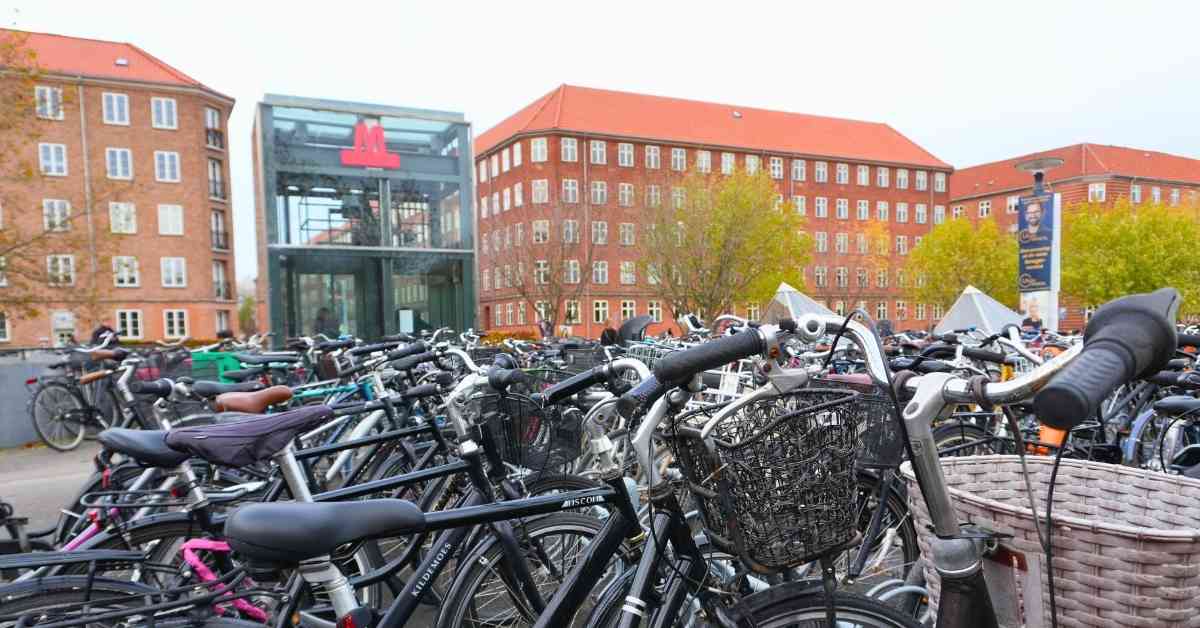
Leth lives in a shared rental apartment in Mjølnerparken on Nørrebro and bikes to work. He pays himself 25,000 kroner monthly before tax. His company has 1.6 million kroner in the bank and monthly expenses of several hundred thousand kroner for salaries and rent. The runway extends only eight months. There is no room for luxury salaries or unexpected tax bills.

The Reality Behind Paper Valuations
Investor valuations do not reflect what a company would actually sell for today. Leth estimates Wilmo might fetch a few million kroner in a real sale, not the 50 million kroner valuation. He has experienced this gap before. His previous company, Alvas, was once valued at 20 million kroner. When he sold his half, the entire company was worth just 400,000 kroner. His share brought in 200,000 kroner, a 98 percent drop from the peak valuation.
How the Proposed Wealth Tax Works
Denmark’s Social Democratic Party has proposed a wealth tax of 0.5 percent on fortunes exceeding 25 million kroner for individuals and 50 million kroner for couples. The tax applies only to amounts above these thresholds. Approximately 22,000 Danes would be affected. Wealth calculations include stocks, bonds, business valuations, property equity above 10 million kroner, and half of pension assets.
The Impact on Startup Founders
For Leth, the proposed tax means paying 75,000 kroner annually on his 15 million kroner above the threshold. He does not have that money. Paying the tax would require raising his salary, diverting funds from hiring developers or acquiring customers. Meanwhile, foreign entrepreneurs working in Denmark might benefit from tax advantages through the expatriate tax scheme, creating an uneven playing field.
The Paradox of Growth
Additional investment rounds could worsen the situation. Even if Leth’s ownership percentage decreases, higher company valuations would increase his remaining stake’s paper value. This means higher wealth tax bills while the company continues losing money. The mechanism punishes fundraising success before any actual profit materializes. Leth worries this structure could prevent Danish startups from building rapidly or attracting necessary capital.
Broader Implications for Danish Entrepreneurship
Denmark’s startup ecosystem depends on venture capital and aggressive growth strategies. Young companies typically run at losses for years while building products and customer bases. Profitability comes later, if at all. Statistics show most startups fail within two years. Investors buy what Leth calls lottery tickets, knowing the odds favor failure but hoping for outsized returns from the few winners.
The Unicorn Dream at Risk
Wilmo’s team aims to create a unicorn, a company worth over one billion dollars. Such ambitions require patient capital and reinvestment of every available krone. Leth emphasizes his willingness to pay millions or billions in taxes once the company generates actual profits. However, taxing unrealized gains creates a timing mismatch between tax obligations and cash availability. Other European countries with wealth taxes often include exemptions or reduced rates for active business ownership to avoid this problem.
Political Responses and Promises
Christian Raabjerg Madsen, the Social Democrats’ political spokesperson, acknowledges the concern. He promises the party will account for entrepreneurial situations when designing the final wealth tax structure. However, he stops short of guaranteeing exemptions for unrealized gains from startup ownership. Instead, he emphasizes that Denmark must remain attractive for entrepreneurs while ensuring the wealthy pay their fair share. The party has not released detailed legislative language despite multiple requests from media outlets.
Looking Forward
The debate reflects broader tensions about taxation, innovation, and inequality. Supporters argue wealth concentration demands redistribution. Critics warn that poorly designed taxes could drive entrepreneurs abroad or discourage risk-taking. The outcome will shape whether Denmark can maintain both its social model and its growing reputation as a Nordic tech hub.
What Entrepreneurs Need to Know
Founders facing similar situations should monitor legislative developments closely. The final wealth tax design may include carve-outs for working entrepreneurs or illiquid assets. Professional tax advice becomes essential when paper valuations cross threshold amounts. Understanding both Danish rules and international alternatives helps founders make informed decisions about where to base their companies and personal tax residency.
Sources and References
The Danish Dream: What is the Expatriate Tax Scheme?
The Danish Dream: Starting a Business in Denmark: A Guide for Expatriates
The Danish Dream: Is Denmark Socialist or What Is It Instead?
The Danish Dream: Best Accountants in Denmark for Foreigners
DR: Cykler og bor til leje: Pludselig risikerer 23-årige Villads at betale formueskat