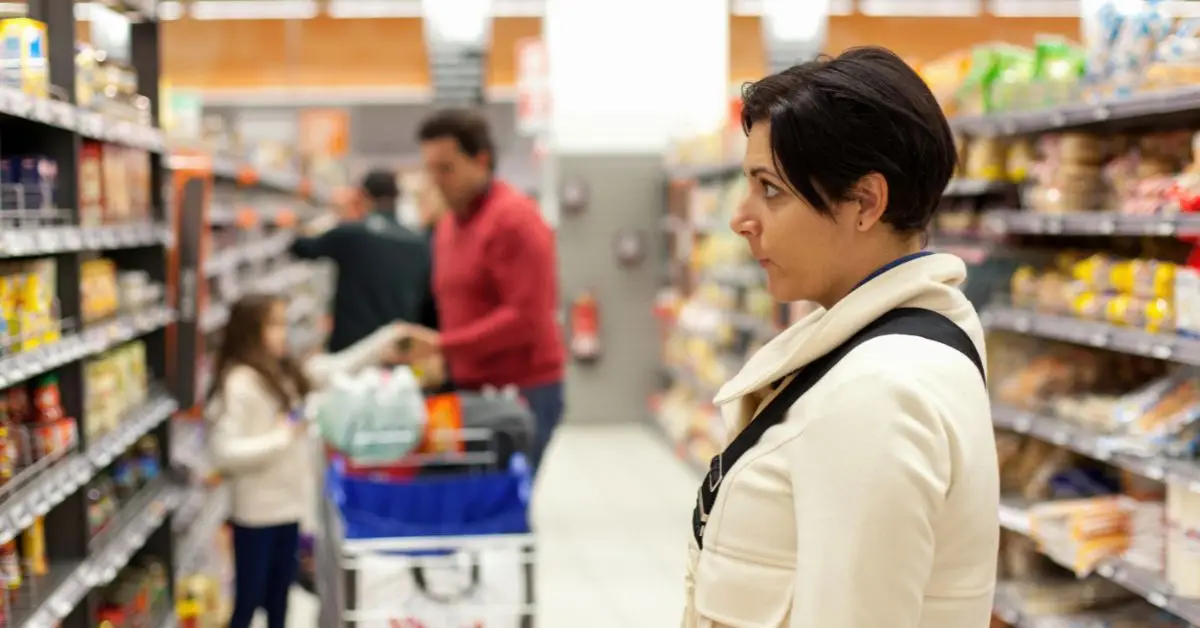
In Denmark, food and beverage prices have surged by 5.2% over the past year despite overall inflation remaining relatively low at around 1.5%, creating a disconnect between statistical averages and daily realities for consumers.
The Inflation Paradox in Denmark
Denmark currently finds itself in an intriguing economic situation. Over the past year, the prices of food and beverages have risen by an alarming 5.2%. This sharp increase contrasts with the overall inflation rate in the country, which remains under control at an average of approximately 1.5%. As per Louise Aggerstrøm Hansen, chief analyst at Danske Bank, this discrepancy illustrates how average inflation figures can misrepresent individual consumer experiences.
Recent statistics released by Danmarks Statistik highlight that goods and services, on average, cost 1.6% more in May 2024 than they did in the previous year. This translates to a situation where 101.6 Danish kroner now purchases the same amount of goods and services that 100 kroner would have bought just a year ago. Many economists, including Sofie Holme Andersen, chief economist at Arbejderbevægelsens Erhvervsråd, regard this figure as quite stable and healthy in the larger economic context.
Price Stability Amid Food Increases
While the overall inflation rate appears manageable, it masks significant variations among different categories of goods. The last year has seen substantial price hikes predominantly in food and beverages. Key contributors to these price increases include essentials like coffee, chocolate, beef, butter, and fish, positioning food and non-alcoholic beverages at the forefront of inflationary pressures in Denmark.
In stark contrast, segments such as transportation, apparel, and footwear have experienced price reductions. This divergence is particularly striking when observed over a decade, which reveals that food and beverage prices have risen by 36%, nearly double the overall inflation rate of 20% during the same period.
The Psychological Impact of Food Prices
The relationship between food pricing and inflation perception is pivotal. Louise Aggerstrøm Hansen emphasizes that food prices heavily influence public sentiment around inflation. While statistical averages may suggest limited overall price increases, the reality feels different for many consumers. The necessity to purchase food frequently makes price changes in this category more noticeable. For many, the hike in costs for items on their shopping lists creates a keen awareness of increasing inflation.
Consumers may readily recognize when specific items, such as milk or vegetables, become more expensive or shrink in size while their prices remain unchanged. Conversely, the psychological impact of stable prices in less frequently purchased goods, like clothes or monthly utility bills, often goes unnoticed.
Consumer Habits and Economic Realities
Interestingly, while many on the labor market are enjoying commendable wage growth surpassing the general inflation rate, the anticipated surge in consumer spending has not materialized. Most individuals feel they possess greater purchasing power than they did before the sharp price increases began in 2022. However, as Aggerstrøm Hansen notes, experiencing a shock from inflation can have lasting effects, leading consumers to be more cautious with their spending and prioritize saving.
Additionally, consumer expenditure varies widely among households, which means the impact of rising prices is not uniform. Some families may allocate a larger portion of their budgets towards food, while others may spend more on travel, clothing, or entertainment. This variance in spending profiles further complicates the perception of inflation. According to Sofie Holme Andersen, no single consumer in Denmark possesses an “average” consumption profile, meaning the way inflation is experienced can differ greatly among individuals.
The Impact of Consumer Behavior
Moreover, the way consumers approach their spending is crucial. Those who have a higher dependence on food and beverage purchases might feel the pinch of inflation more acutely than those spending on less essential items. This tendency is further compounded by different lifestyle choices and economic circumstances that dictate individual consumer behavior.
If essential goods that consumers rely upon frequently are experiencing inflation, the psychological and financial toll on households can be substantial, and this sentiment can influence decision-making in broader economic terms, from savings rates to discretionary spending.
Denmark stands at a crossroads in its economic landscape, where inflation dynamics reveal a complex web of consumer experiences. Despite the overall inflation rate suggesting stability, the real-life implications of rising food prices cast a shadow over economic optimism. With consumer habits evolving and wage growth creating new challenges and opportunities, understanding these dynamics will be essential for navigating the future.
As Denmark grapples with these inflationary pressures, the need for targeted policies to address the disproportionate impact of rising prices on essential goods becomes increasingly apparent. Addressing these disparities will be critical in fostering a more resilient economic environment for all segments of the population.