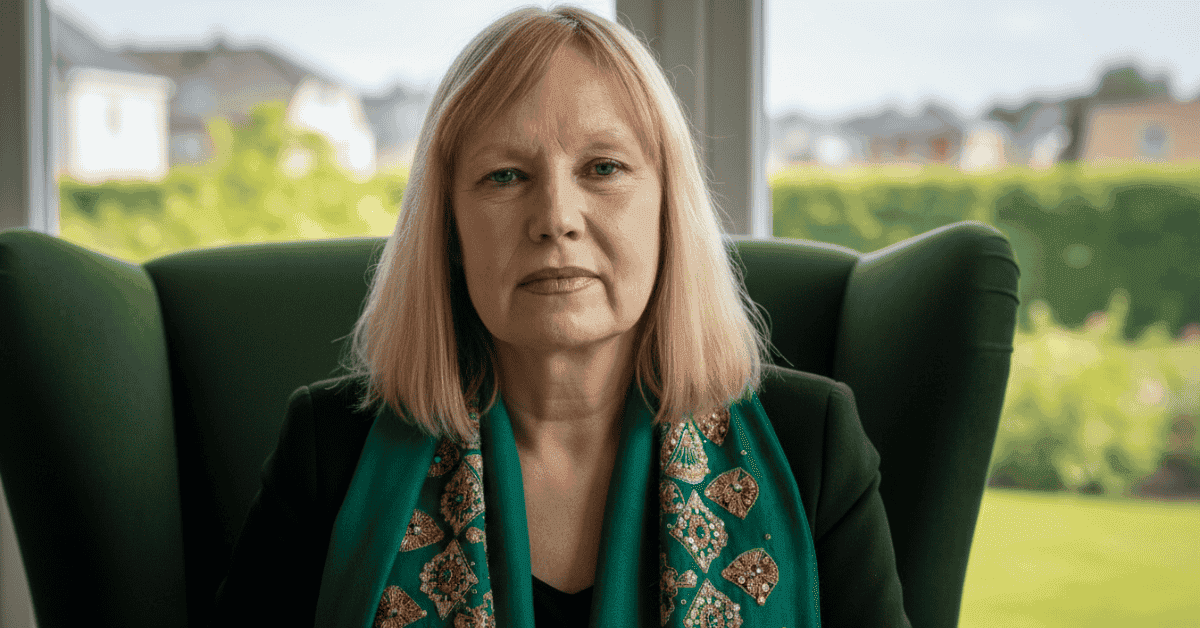
Vita Andersen didn’t ask for sympathy, and she didn’t offer any. What she gave readers—especially in Denmark—was something else: a raw, precise account of emotional survival in a world that rarely makes room for the weak. Her books, often labeled as feminist or confessional, were less about ideology and more about the reality of being a woman, a daughter, a mother, a person trying to get through the day without falling apart. She didn’t flatter her characters, and she didn’t hide behind literary distance. That’s what made her a fantastic narrator.
- Vita Andersen’s Narrative Style: She provided a raw, precise account of emotional survival, focusing on honesty and unflinching portrayals of women’s lives without literary pretensions.
- Early Life and Its Influence: Her childhood experiences of instability, foster care, and institutional living significantly shaped her honest depiction of social pressures and emotional survival.
- Breakthrough with ‘Tryghedsnarkomaner’: Her 1977 poetry collection sold over 100,000 copies and captured the reality of women addicted to comfort and control in plainspoken language.
- Themes in Her Work: Her writing explored gender roles, emotional dependency, motherhood, societal pressure, and domestic unease, often portraying the darker aspects of these themes.
- Legacy and Death: Vita Andersen passed away in 2021, leaving a vital literary legacy influencing Nordic writers and highlighting emotional endurance and domestic unrest.
Early Life of the Danish Author
Vita Andersen was born in Copenhagen in 1942, though for much of her early life, home was a fractured concept. Her parents separated when she was a child. She was sent to live with relatives, spent time in foster care, and later in institutional housing. This wasn’t background color—it was the ground she stood on. The chaos and neglect she experienced early on didn’t just inform her work; they were the terrain her stories refused to look away from.
She never finished a formal literary education, but that was irrelevant. She worked various jobs, observed people closely, and read widely. By the time she began publishing, she had a sharp sense of voice and an unflinching eye for emotional detail. There was no trace of literary posturing in her writing—just clarity, often painful, sometimes bitterly funny.
Breakthrough: Tryghedsnarkomaner
In 1977, Andersen published Tryghedsnarkomaner (Safety Junkies), a poetry collection that detonated in Danish literary culture. It sold over 100,000 copies—unheard of for poetry in Denmark. The title alone suggested her approach: direct, unromantic, and painfully accurate. These were poems about people addicted to comfort, control, and the illusion of safety—especially women who had learned to mask desperation with politeness.
Andersen didn’t write in grand, abstract metaphors. Her language was plainspoken, deliberately so, and it made the emotional content hit harder. The popularity of Tryghedsnarkomaner was a shock to the literary establishment, but readers—particularly women—recognized themselves instantly in the work.
Hold Kæft og Vær Smuk and the Pressure to Conform
Her first novel, Hold Kæft og Vær Smuk (Shut Up and Be Beautiful), came out a year later, in 1978. It sold over 150,000 copies and confirmed what her debut had suggested: Andersen knew how to write books that people actually read. The title is brutal and blunt—so is the book. It follows a young woman who’s been taught that survival depends on being quiet, being pretty, and not asking for much.
More Books, More Depth
Over the next two decades, Andersen continued to write novels, short stories, children’s books, and plays. She never confined herself to one genre. Her 1984 novel Ebba Har en Drøm (Ebba Has a Dream) extended her focus to adolescence and domestic claustrophobia. Later books like Indigo (1996) and Elsk Mig (1997) explored middle-aged longing and emotional detachment. Her short story collection En Hånd i Himmelen (A Hand in Heaven, 1987) is another high point—compact, unsparing, and formally tight.
Though she moved through different forms, certain themes stayed constant: fear of abandonment, the cost of performing femininity, the emotional labor of caregiving. She wrote about mothers and daughters with particular force. If anything, her portraits of motherhood were some of the darkest in modern Danish literature.
Recognition and Resistance
In 1986, Andersen received the Danish Critics’ Prize for Literature. She was also awarded De Gyldne Laurbær (The Golden Laurel) and saw several of her books translated and published internationally. Yet she never quite fit into the literary elite. Her writing was too direct, her subjects too uncomfortable. Some critics dismissed her style as too plain; others bristled at the popularity of her work, especially among women.
But Andersen didn’t need critical consensus. She had a readership. Her books sold. They were passed around, dog-eared, quoted. She understood the emotional architecture of women’s lives in a way that few male authors of her generation even attempted.
Death
Vita Andersen died on July 20, 2021. She left behind a body of work that remains vital: Tryghedsnarkomaner, Hold Kæft og Vær Smuk, Elsk Mig, Indigo, En Hånd i Himmelen, Kærlighed (Love, 1979), and many others. Her influence is still felt, especially among younger Nordic writers who’ve taken up similar themes of domestic unease and emotional endurance.
Conclusion About Vita Andersen
Andersen wasn’t interested in catharsis or redemption. Her strength lay in her ability to expose the daily mechanics of social pressure—especially the kind that operates in families, between lovers, and in workplaces.
She wrote to expose the layers most people avoid. In doing so, she carved out space for emotional honesty in Danish literature, without flinching and without apology.
Summary
- Birthplace and year: Vita Andersen was born in 1942 in Copenhagen, Denmark.
- Early instability: Her childhood was marked by instability, foster care, and institutional living.
- Poetry debut: Her debut poetry collection Tryghedsnarkomaner (1977) sold over 100,000 copies in Denmark.
- Best-selling novel: Her novel Hold Kæft og Vær Smuk (1978) sold over 150,000 copies.
- Other works: She also wrote Ebba Har en Drøm, Elsk Mig, Indigo, and Kærlighed, among others.
- Major awards: She received the Danish Critics’ Prize for Literature in 1986 and De Gyldne Laurbær.
- Recurring themes: Her themes include gender roles, emotional dependency, motherhood, and societal pressure.
- Death and legacy: Andersen died in 2021.
Frequently Asked Questions
What themes did Vita Andersen explore in her writing?
Vita Andersen’s work focused on themes like gender roles, emotional dependency, motherhood, societal pressure, and domestic unease.
How did Vita Andersen ‘s early life influence her writing?
Her childhood experiences of instability, foster care, and institutional living deeply informed her honest and unflinching portrayal of emotional survival and social pressures.
What was the impact of Andersen’s novel ‘Hold Kæft og Vær Smuk’?
‘Hold Kæft og Vær Smuk’ sold over 150,000 copies and depicted a young woman’s survival strategy in a society that rewards self-denial and punishes need, highlighting societal pressures on women.
When did Vita Andersen pass away, and what is her legacy?
Vita Andersen died in 2021, leaving behind a vital body of work that continues to influence Nordic literature, especially in exploring domestic unease and emotional endurance.