Museum Thy is a sprawling, multi-site cultural museum in northwestern Jutland that preserves over 30,000 artifacts across Viking relics, fishing villages, windmills, and the rugged dune landscapes of Thy. For expats curious about Denmark beyond Copenhagen, it is one of the most honest windows into rural Danish life you can find.
Why The Museum Thy Matters in Denmark’s Cultural Landscape
I have lived in Denmark long enough to know one thing about Danes. They take their regional museums seriously. The Museum Thy, known locally as Museum Thy or Museet for Thy og Vester Hanherred, sits at the heart of this tradition.
The museum operates under Denmark’s state-recognised museum system. It receives funding through the Ministry of Culture, which gives it both research duties and conservation obligations. That status matters, because it means the collections are properly catalogued and academically backed.
Founded in 1903 by local historian Jens Rolighed, the museum has spent more than 120 years documenting the lives of fishermen, farmers, and craftspeople in the windswept corner of Jutland called Thy. As stated by the museum’s own foundation history, the project began as a grassroots effort to save vanishing rural traditions. It still feels that way today.
Where to Find Museum Thy
The main building sits at Jernbanegade 4 in Thisted, just a short walk from the train station. From Aalborg, you can drive there in about 90 minutes. The train from Copenhagen takes roughly five hours, with a change in Struer.
The Museum Thy: A Network of Six Historic Sites
Most visitors do not realise Museum Thy is not a single building. It is a constellation of locations stretched across the Thy region. Each one tells a different story about how people survived this harsh, beautiful coastline.
The Main Museum in Thisted
The Thisted headquarters houses the central exhibitions on regional archaeology, art, and cultural history. You will find Bronze Age oak coffin burials, Iron Age tools, and Viking-era objects displayed alongside modern artworks. The building itself dates back to the early 20th century.
This is where I would start. It gives you the chronological backbone before you head out to the satellite sites.
Heltborg Museum and the Søndergaard Collection
Heltborg Museum, set in the rolling hills south of Thisted, is the artistic crown jewel. It holds one of Denmark’s largest collections of works by Danish painter Jens Søndergaard, who was born in nearby Vester Hassing. His paintings capture the moody North Sea light better than almost anyone.
The site also includes a working windmill and an open-air section with traditional Thy farmhouses. Bring sensible shoes. The grass gets wet.
Vorupør Museum and the Coastal Fishing Heritage
Vorupør is a former fishing village that still launches boats directly off the beach. The local museum here tells the story of the kystfiskeri, the traditional coastal fishing community. It is small, salty, and deeply moving.
According to local fishermen I have spoken to in Vorupør, the boats were dragged up the beach by horses well into the 1960s. The museum has the harnesses and capstans to prove it. You will not find this kind of maritime history in Copenhagen.
Stenbjerg Landingsplads
Stenbjerg is a string of white-painted fisherman’s huts on the dunes. They were used to store nets, tools, and the small open boats that once defined this coast. The huts are protected as a national heritage site.
The museum manages interpretive signage and occasional guided walks. It is one of the most photographed spots in Thy for good reason.
Sennels and the Limfjord Stories
Sennels sits on the Limfjord side of Thy, where the landscape softens into farmland and reed beds. The museum’s exhibits here focus on Limfjord oysters, eel fishing, and the agricultural revolution. This is the gentler side of Thy, and it complements the dramatic coastal sites perfectly.
What You Will See at The Museum Thy
The collection is large but coherent. Everything circles back to one theme: how humans have adapted to one of Denmark’s most unforgiving landscapes.
Prehistoric and Viking Artifacts
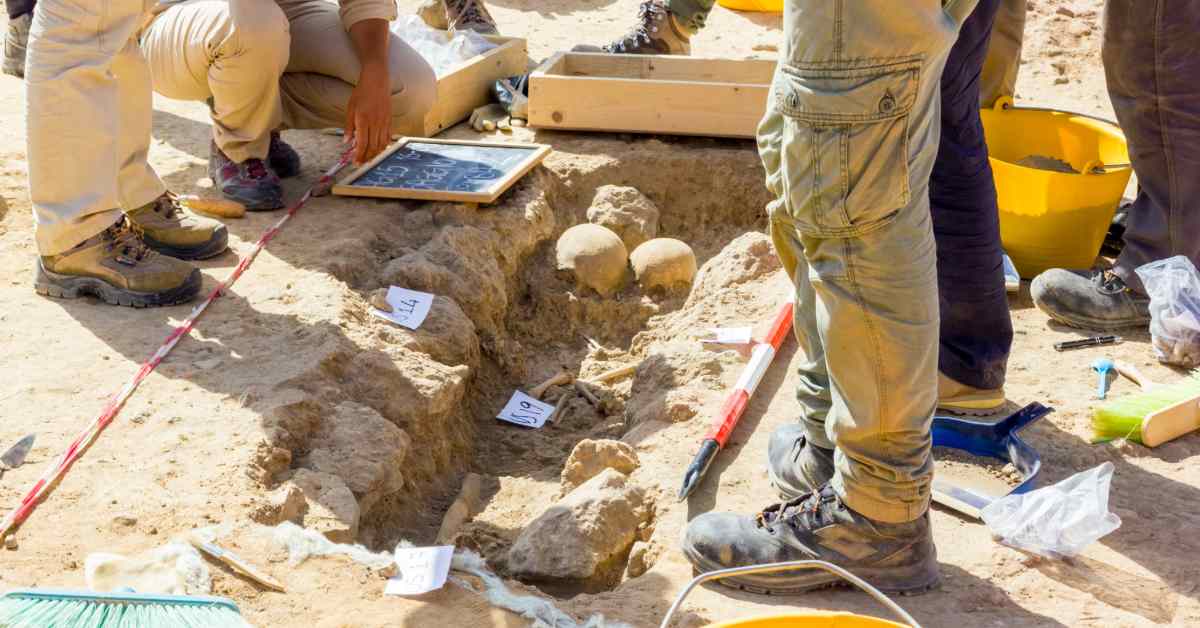
Thy has yielded extraordinary archaeological finds. Bronze Age oak coffin burials, similar to those at Silkeborg, are part of the collection. The Viking-era exhibits include weapons, jewellery, and household items recovered from regional digs.
The museum also collaborates with the National Museum of Denmark on ongoing excavations. Several finds from Thy have travelled to international exhibitions.
The Sand Drift and Dune Cultivation Story
This is the most underrated exhibit. From the 16th to 19th centuries, drifting sand buried entire villages in Thy. The state launched a massive dune-planting programme that reshaped the coastline.
The museum documents this in detail. As an expat, I found this exhibit genuinely revelatory. It explains why Denmark looks the way it does today.
Fishing, Farming, and Folk Crafts
Per the museum’s own collection database, more than 30,000 artifacts cover everyday rural life. Weaving looms, butter churns, herring barrels, eel traps. These are the objects that shaped Danish identity long before design and minimalism took over the global image of Denmark.
Contemporary Art and Temporary Exhibitions
The museum runs a rotating programme of temporary exhibitions. These often pair contemporary Danish artists with the permanent collection. As reported by Nordjyske Stiftstidende, the museum has hosted several award-winning shows in recent years.
The Museum Thy and the Thy National Park Connection
You cannot understand Museum Thy without understanding Thy National Park. Established in 2008, it was Denmark’s first national park. The museum and the park share many of the same landscapes.
The dunes, heathland, and pine plantations you see in the park are the same ones documented in the museum’s sand drift exhibits. As noted by Visit Denmark, combining a museum visit with a hike in the park is the standard recommendation. I agree completely.
Practical Pairing Tips
Spend a morning at the Thisted main museum. Drive to Heltborg for lunch and the Søndergaard collection. End the day with a sunset walk in the dunes near Stenbjerg or Vorupør. That is a perfect Thy day.
Planning Your Visit to The Museum Thy
Here are the practical details you actually need. I have visited several times and learned a few things the hard way.
Opening Hours and Tickets
The main museum in Thisted is open Tuesday through Sunday, 10:00 to 16:00. Hours vary at the satellite sites, especially in winter. Always check museumthy.dk before driving out to Heltborg or Vorupør.
Adult tickets typically cost around 75 to 95 DKK. Children under 18 enter free, which is a refreshingly Danish approach.
How to Get There Without a Car
Trains from Aalborg and Struer stop in Thisted regularly. From the Thisted station, the main museum is a five-minute walk. The satellite sites are harder to reach by public transport.
If you want to visit Heltborg, Vorupør, or Stenbjerg, renting a car or bike makes life much easier. Local bike rentals are available in Thisted and Klitmøller.
Best Time of Year to Visit
May through September is the obvious window. The outdoor sites are open, the weather cooperates, and the museum runs more events. However, I have a soft spot for visiting in October.
The crowds disappear. The light gets dramatic. And the herring sandwiches in Vorupør taste better when there is salt in the wind.
Tips for Expats Visiting The Museum Thy
A few things to know that the tourist brochures will not tell you. These come from years of dragging visiting friends around rural Jutland.
- English signage is decent but not perfect. The main exhibits have English text. Some satellite sites lean heavily on Danish. Download a translation app.
- Cash is unnecessary. Like everywhere in Denmark, cards work everywhere. MobilePay is also accepted at most locations.
- Combine with Klitmøller and Cold Hawaii. Klitmøller, twenty minutes from Thisted, is one of Europe’s top surf spots. The cultural contrast with the museum is genuinely fun.
- Eat at a kro. The traditional Danish inns around Thy serve excellent stegt flæsk and smørrebrød. Skip the chain restaurants in Thisted town centre.
- Pack for weather. Thy is windy. Even in July. Bring a windproof layer.
How The Museum Thy Compares to Other Danish Regional Museums
If you have already visited Moesgaard Museum near Aarhus or the Aalborg Historical Museum, Museum Thy will feel different. It is smaller, less polished, and more grassroots. That is the point.
The big urban museums tell national stories. Museum Thy tells one place’s story in obsessive detail. It is closer in spirit to Museum Mors or the Lemvig Museum.
What Makes Thy Different
Thy is one of the most distinct microregions in Denmark. The dialect is strong. The landscape is rough. The locals call themselves thyboer and are proud of it.
The museum captures that pride without slipping into kitsch. I cannot say the same for every regional museum I have visited in Denmark.
Recent News and Developments at The Museum Thy
The museum has expanded its public outreach significantly in recent years. As reported in our own coverage, a new museum initiative in Thy has focused on accessibility and inclusion. This fits a broader Danish trend of opening cultural institutions to wider audiences.
According to Statistics Denmark, museum attendance across the country has risen steadily since 2022. Museum Thy has benefited from this. As covered in our piece on rising museum visits in Denmark, regional museums are seeing renewed interest from both Danes and international visitors.
Useful External Resources
For deeper research before your visit, these sources are worth bookmarking. They are the same ones I use when fact-checking Danish cultural pieces.
- Museum Thy official website for current exhibitions, opening hours, and ticket prices.
- VisitThy for regional tourism information and event calendars.
- Thy National Park for hiking maps and natural history context.
- Wikipedia entry on Thy for general geographic and historical background.
- VisitDenmark for travel planning across the country.
FAQs About The Museum Thy
What is The Museum Thy known for?
The Museum Thy is best known for its 30,000 artifacts covering northwestern Jutland’s history. It documents Viking finds, coastal fishing traditions, Bronze Age burials, and the dramatic sand drift period that reshaped the region. The Søndergaard art collection at Heltborg is also a major draw.
How many locations does The Museum Thy have?
Museum Thy operates six main sites. These include the headquarters in Thisted, Heltborg Museum, Vorupør Museum, Stenbjerg Landingsplads, Sennels, and additional smaller locations. Each site focuses on a different aspect of regional history.
How much does it cost to visit The Museum Thy?
Adult tickets range from 75 to 95 DKK at the main sites. Children and youth under 18 enter for free. Some satellite locations, like Stenbjerg’s exterior huts, can be visited without a ticket.
Is The Museum Thy worth visiting for expats?
Yes, especially if you want to understand rural Danish life. The exhibits explain how Thy’s landscape and people shaped Danish identity. It is also an excellent counterweight to the Copenhagen-centric image of Denmark that most expats encounter first.
Can I visit The Museum Thy and Thy National Park in one day?
Absolutely, and you should. The two are geographically intertwined. A typical day involves the Thisted main museum in the morning, lunch in Klitmøller or Vorupør, and an afternoon hike in the national park.
Is English spoken at The Museum Thy?
Staff at the main museum generally speak good English. Most key exhibits have English text. Satellite sites are more Danish-heavy, so a translation app helps at Heltborg and the smaller locations.
When was The Museum Thy founded?
The museum was founded in 1903 by local historian Jens Rolighed. It began as a small collection of regional artifacts. It has since grown into one of Jutland’s most comprehensive cultural museums.
Are there guided tours at The Museum Thy?
Yes, guided tours are offered for both individuals and groups. Booking ahead through museumthy.dk is recommended, especially in summer. Local guides often have personal family histories in the region, which makes the tours surprisingly intimate.
Is The Museum Thy family friendly?
Yes. The museum runs craft workshops, history demonstrations, and outdoor activities suitable for children. The open-air sites at Heltborg and Stenbjerg are particularly good for kids who need to run around.
How do I get to The Museum Thy from Copenhagen?
Take a train from Copenhagen Central Station to Thisted, changing in Struer. The journey takes about five hours. Driving takes around four and a half hours, and gives you the flexibility to visit the satellite sites.
Final Thoughts on The Museum Thy
Museum Thy is not flashy. It is not trying to be Louisiana or ARoS. It is something else entirely, a quiet, careful, deeply local institution that rewards patience.
For expats trying to understand Denmark beyond the postcard version, this is a place that delivers. You come for the artifacts and leave with a better sense of why this country feels the way it does. That is the highest compliment I can give any museum.