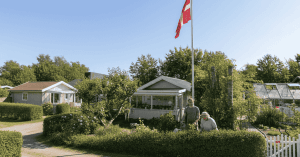
Located on Mors Island in Denmark’s Limfjord, Museum Mors offers a captivating journey through the region’s rich heritage. With over 100,000 artifacts spanning from the late Stone Age to the present day, the museum showcases diverse collections, including geological wonders, maritime history, and local arts. Visitors can explore the Fossil and Mo-clay Museum, Dueholm Monastery, and the Foundry Museum, each offering unique insights into Denmark’s past.
Key Points
- The Cultural Significance of Museum Mors: Located on Mors Island in Denmark’s Limfjord, Museum Mors is a comprehensive institution that preserves and celebrates the region’s history, art, geology, and maritime heritage through collections across five locations.
- Rich Historical and Geological Collections: The museum holds over 100,000 objects, including fossils from 55 million years ago, artifacts from the late Stone Age, and exhibits on the Viking Age, highlighting the island’s extensive history and unique geology, notably the moler clay and fossil deposits.
- Maritime Life and Socioeconomic Changes: Museum Mors documents the island’s maritime traditions with fishing tools and replica boats, and explores economic shifts from fishing and agriculture to industry and tourism that have shaped Mors’ identity.
- Artistic Heritage and Contemporary Arts: The museum features regional artworks inspired by local landscapes and communities, and supports contemporary artists through exhibitions, fostering cultural vitality and community engagement.
- Educational and Visitor Resources: As a hub for education, the museum offers interactive exhibits, guided tours in multiple languages, family activities, seasonal events, and school programs, making it accessible and engaging for a diverse audience.
The Museum Mors: A Cultural Jewel of Denmark
In the heart of Denmark’s Limfjord lies the enchanting island of Mors, a place of tranquility and natural beauty, home to the renowned Museum Mors. This cultural gem not only preserves the rich history of the region but also celebrates its unique identity. Encompassing a collection that spans across five distinct locations, The Museum Mors offers an enlightening glimpse into a wide range of subjects from geology to art and local history, making it an essential destination for anyone interested in exploring Denmark’s cultural and natural heritage.

One of the most unexpected highlights of my time in Denmark was my visit to The Museum Mors. It stunned me what the fossils display alone, but what brought me there is the range, all the way from ancient artifacts to heartfelt memories about local fishermen. I fell in love with the island’s story, the blend of nature, history and community; I felt deeply connected to this story. It’s a kind of place that each of its rooms invites you to dwell in and to ponder.
History and Culture of The Museum Mors
Founded in 1901, The Museum Mors has, over the decades, evolved into a multi-faceted institution that stands as a testament to the community’s dedication to preserving its heritage. It boasts a collection of over 100,000 objects, providing a comprehensive narrative of Mors’ past, present, and future. This extensive repertoire includes artifacts dating back to the late Stone Age, illustrating the island’s long-standing habitation, as well as exhibits highlighting its more recent history, from the Viking age through to the present day. Both ancient and modern life on Mors are part of an ongoing dialogue, which the museum is well-positioned to weave together.
One of the museum’s standout features is its thorough exploration of the region’s geology, especially the famed moler clay unique to the island. The museum’s geological displays are enriched by a staggering collection of 55 million-year-old fossils, a number of which are rare and offer significant insight into the Earth’s prehistoric epochs. Mors’ moler deposits are amongst the most fossiliferous in Denmark, making the museum’s geological section a highlight for paleontology enthusiasts.
Preserving the Essence of Coastal Life
The Museum Mors stands out by encapsulating the coastal life, recording the maritime traditions that have shaped the island‘s identity for centuries. Traditional fishing tools, boats, and various objects tell the story of the Mors fishermen and their struggle to navigate the difficult waters of the Limfjord are displayed in the maritime collection. It is possible to marvel at the museum’s replica ketches and traditional Dinghies, which represent the essence of the craftsmanship and seafaring heritage of Mors.
Furthermore, it highlights the socioeconomic changes that the island has undergone over the years. This includes the change of the dynamics from fishing and agriculture to industry and tourism that will give the visitors a comprehensive view of how the island‘s economy has changed over time.
An Artistic Reflection of Local Identity
The Museum Mors offers such a wide variety of activities, and art is another vital facet of what they provide. Local artistic heritage is celebrated, featuring drawings by important regional artists who have been inspired by the island’s beautiful landscapes and lively communities. The museum is also actively engaged in supporting contemporary artists, offering exhibitions that speak to the current social narrative and artistic innovations. These initiatives thus sustain the cultural vigor of Mors and act as a link between History, art, and the community.

‘The Limfjord and its rolling hills have long inspired artists and engage the eye of the local population. Probably for this reason, the museum’s art collection includes many depictions of the local scenery and its people.’ Their visual narrative supplements the historical and cultural exhibits underway at Mors and enriches the visitor’s general understanding of Mors’ unique position in Denmark’s cultural tapestry.
A Hub of Education and Innovation
In addition to its collection and exhibition, The Museum Mors is an important educational resource. With the aim of being the doorway that introduces school and educational institutions to the world of history, art, and science, the museum actively works to inspire the next generation of historians, artists, and scientists. The use of interactive exhibits and educational workshops helps to deliver an immersive experience, making learning a rewarding experience for the pupils.
The museum collaborates with a wide range of academic and cultural institutions in Denmark and abroad in its commitment to research and innovation. The museum’s remarkable collection would not be possible without these partnerships; they are vital to the museum’s ongoing study, preservation and engendering of a global appreciation for the museum’s collection.
So the Museum Mors is not only an archive for artifacts, it is also a vibrant institution that provokes dialogue, unearths new discoveries, and raises awareness and support for the diverse cultural strands of Mors and Denmark more broadly. Famed for its collection, education, and pride in local heritage, it is a noble monument and continues to attract visitors from all corners of the world keen to immerse themselves in the rich history and living culture of this wondrous Danish island.
Visiting The Museum Mors: A Practical Guide
Exploring The Museum Mors offers a journey through time and culture, making it a must-visit destination for travelers exploring the rich heritage of Denmark. Situated on the scenic island of Mors, the museum is accessible and inviting year-round, offering both locals and tourists an engaging educational experience. Here’s a comprehensive guide on how to make the most of your visit to this cultural beacon.
When to Visit
The Museum Mors is open throughout the year, with specific considerations for seasonal variations. The museum’s main locations operate daily from May to September, allowing visitors ample opportunity to explore its various facets. During the autumn and winter months, opening times may vary, but the museum remains accessible, with selected sections welcome guests by appointment, ensuring the museum remains a year-round attraction.
To experience Mors in full bloom, visitors may find that a summer visit, when Denmark enjoys longer daylight hours and pleasant weather, is particularly rewarding. This makes it easier to pair a trip to the museum with exploration of the island’s stunning natural scenery, hiking and outdoor activities, or a leisurely stroll along the picturesque shores of the Limfjord. If you want to know more about similar museums in Denmark that are worth visiting, check out this article about The Museum Obscurum: Unveiling Denmark’s Enchanting World of Mysteries and Mythical Creatures.
How to Get There
Mors, part of the North Jutland region, is well-connected despite its seeming remoteness. The island is accessible by car from the mainland via the Sallingsund Bridge, a vital connection that opens Mors to visitors from all over Denmark and beyond. For those relying on public transport, buses run to and from larger towns and cities, making it convenient and straightforward to reach this insular paradise.
Once on the island, consider renting a bicycle or using local buses to explore the museum’s individual locations, all thoughtfully spaced across the island, each offering a unique slice of Mors’ cultural richness. The Museum Mors’ main location is situated in Nykøbing, providing a central point from which to embark on your island exploration.
Tips for a Memorable Visit
- Plan Your Route: Because The Museum Mors encompasses several distinct locations, efficient planning can significantly enhance your experience. Determine which aspects of the museum’s geology, history, maritime, or art hold particular interest for you, and prioritize these in your visit. For instance, the Moler Museum in south Mors is a haven for geology enthusiasts who wish to delve into the fossil treasures of the island.
- Purchase a Combination Ticket: The museum offers combination tickets that grant access to its various locations at a reduced rate compared to purchasing individual entries. This is a fantastic option for visitors aiming to explore the full breadth of what the museum has to offer.
- Join Guided Tours: Take advantage of the frequent guided tours conducted by passionate museum staff. Tours often provide deeper insights into specific exhibits and are rich in anecdotal history, offering an enrichment to the self-guided exploration. Tours are typically available in both Danish and English, ensuring accessibility for international visitors.
- Interactive Learning for Children: Families visiting the museum will find it accommodating, with interactive exhibits and educational programs designed especially for younger guests. These programs not only engage children in hands-on learning but also foster a deeper understanding of cultural history and natural sciences.
- Seasonal Events and Workshops: Keep an eye on the museum’s events calendar for special exhibitions, workshops, and cultural events that take place throughout the year. These occasions often bring unique opportunities for heightened engagement and learning, featuring local artists, historians, and collaborators.
A Gateway to the Island
While the museum itself is a mesmerising attraction, it also serves as a perfect introduction to the island of Mors. After indulging in the museum’s cultural exhibitions, visitors are encouraged to venture further into the island’s bountiful landscapes, quaint villages, and artisanal shops. The confluence of history, culture, and nature makes Mors an unparalleled destination, creating memories that linger long after you have bid the island farewell.
Successfully combining thorough education with recreational enjoyment, The Museum Mors emerges not merely as a place to visit, but as an unforgettable experience that shines a spotlight on the beauty and legacy of Denmark’s heritage.
Conclusion: A Captivating Journey Through The Museum Mors
The Museum Mors stands as a testament to Denmark’s rich and vibrant heritage, encapsulated within the enchanting setting of Mors Island. Its expansive collection and well-curated exhibits provide a remarkable insight into the geological, historical, and cultural narratives of the region. Whether you are an avid history buff, art lover, or simply a curious traveler, the museum offers something for everyone. By seamlessly blending education with an interactive experience, The Museum Mors not only preserves the past but also inspires future generations to appreciate the intricate tapestry of cultural history.
Summary
- Location and Overview: The Museum Mors is located on Mors Island in Denmark’s Limfjord, encompassing a wide array of exhibits across five unique locations.
- Rich Collections: With over 100,000 objects, the museum’s collections cover a diverse range of topics including the geology of moler clay, maritime history, and local arts.
- Accessibility: Open year-round with varied season-specific hours, accessible via car and public transport, inviting visitors to explore the island and its cultural richness.
- Visitor Tips: Utilize combination tickets, join guided tours, and consider the event calendar for an enriched visit.
- A Broader Destination: Beyond the museum, Mors offers stunning natural landscapes and a host of recreational activities, making it a comprehensive cultural destination.
Frequently Asked Questions
1. What are the main attractions of The Museum Mors?
The main attractions include the geological displays featuring moler clay fossils, exhibits on maritime history with replicas of traditional fishing boats, and art collections showcasing the work of local and regional artists.
2. Are there any special events or exhibitions at the museum?
Yes, the museum frequently hosts special exhibitions, workshops, and seasonal cultural events. Checking the museum’s events calendar online before your visit is recommended for updated information.
3. Is The Museum Mors family-friendly?
Absolutely. The museum offers interactive and educational exhibits designed for children, as well as family-friendly activities that make learning fun and engaging for all ages.
4. How do I get to Mors Island?
Mors is accessible via the Sallingsund Bridge by car. Public transport, including buses, also connects the island to the mainland, with routes that make visiting the museum feasible.
5. Are guided tours available at the museum?
Yes, guided tours are available and highly recommended. They provide deeper insights into the exhibits and are often conducted in both Danish and English, catering to international guests.
6. Is photography allowed inside the museum?
Photography policies may vary based on specific exhibits. It is advisable to check with museum staff regarding photography guidelines to ensure compliance with their policies.
7. Can I purchase food and drinks at the museum?
Some locations within the museum complex may have cafes or dining facilities. For more detailed information, checking with the museum at the specific location of your visit is advised.
8. Are there educational programs available for schools?
Yes, The Museum Mors offers a variety of educational programs tailored for school visits. These programs are designed to supplement curriculum and engage students with hands-on learning experiences.
The Museum Mors is not only a remarkable way to delve into Danish heritage but also a gateway to the broader cultural and natural landscapes of Mors Island. Whether planning a dedicated museum visit or incorporating it into a broader exploration of Denmark, the museum promises to be both an educational and genuinely delightful experience.