As organisations invest heavily in employee well-being, one group is often overlooked: Leaders. In a time of rapid change and growing complexity, leadership well-being may be one of the most important – and least understood – drivers of organisational success.
When international professionals think about working in Denmark, they often think about trust, flat hierarchies, and work-life balance. And rightly so. Danish workplaces are widely recognised for high levels of employee involvement, autonomy, and collaboration. International employees are frequently surprised by how much responsibility they are given and how informal the relationships between managers and employees can be.
But there is another side to this story.

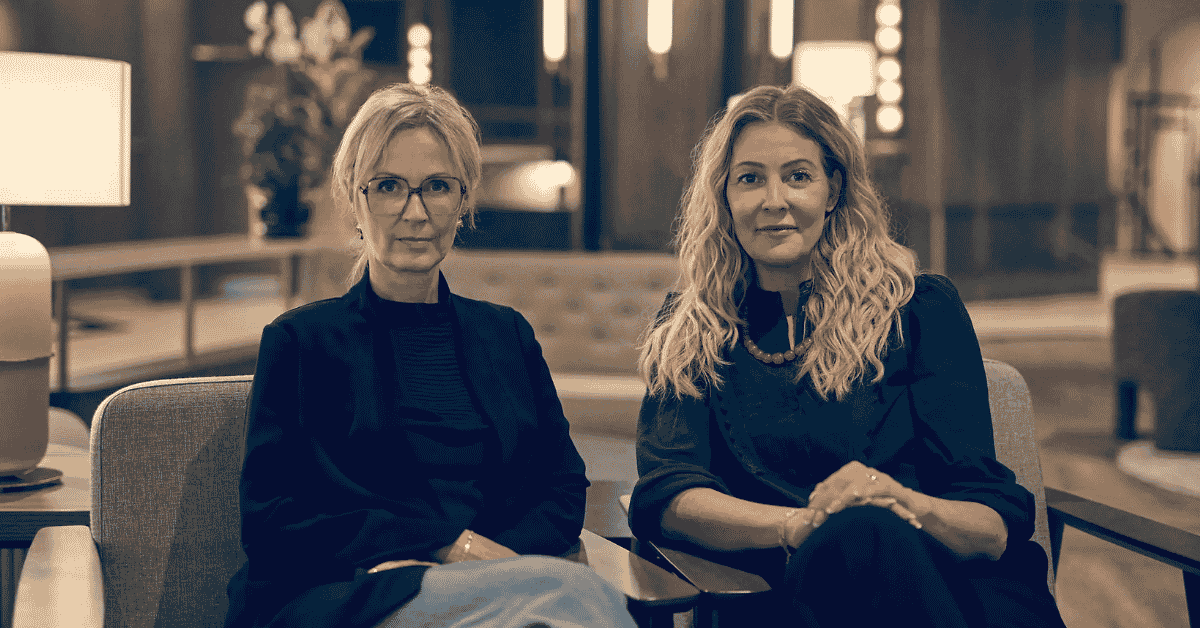
While employee well-being has become a central concern in organisations across the world, the well-being of leaders themselves often receives far less attention. Business psychologists Lill Palmblad and Louise Dinesen, authors of the upcoming book “Who Looks After the Boss?”, argue that leadership well-being is frequently treated as a private matter rather than a strategic capacity and an organisational responsibility.
This blind spot has consequences far beyond the individual leader. International research consistently shows that leadership well-being influences team performance, employee engagement, psychological safety, decision-making quality, and organisational resilience. When collaboration breaks down, change initiatives stall or stress levels rise, the well-being and working conditions of leaders often turn out to be an important part of the picture – yet leaders themselves are rarely included in the conversation.
Leadership Has Changed
Leadership has always involved responsibility, but the conditions have changed significantly in recent years. Leaders today are expected to navigate increasingly complex environments, including:
- Managing continuous change and leading through uncertainty.
- Balancing competing demands while creating engagement and direction.
- Supporting employee well-being in the face of labour shortages, economic uncertainty, technological disruption, and geopolitical instability.
The result is that leadership has become more emotionally demanding and relationally complex than ever before.
The Scandinavian Perspective vs. International Expectations
For international professionals the context around how leadership is viewed is crucial. Much of the international leadership literature focuses heavily on the individual leader – emphasising personal resilience, mindset control, personal effectiveness, and self-management.
However, Scandinavian work environment research points to something equally important: the environment around the leader.

Leadership well-being is shaped not only by personal capability, but also by organisational priorities, leadership teams, culture, support, role clarity, and opportunities for recovery and learning. In other words, it is a shared organisational task rather than a simply individual responsibility.
Why This Matters to Expats
Danish leadership is generally less hierarchical and more collaborative than many international professionals are used to. While this can support leader well-being, it also creates unique demands. Leaders frequently carry responsibility for balancing employee influence, organisational goals, and employee well-being simultaneously. For international employees, recognising these expectations can help both leaders and employees navigate Scandinavian workplaces successfully:
- For International Leaders in Denmark: You are expected to facilitate dialogue rather than provide all the answers and create involvement rather than simply directing others. Recognising that your own well-being relies on organisational priorities and support – not just your personal resilience – is key to managing successfully in this environment.
- For International Employees: Your leaders carry responsibility for both organisational results and workplace well-being – and rely on employee input and collaboration to balance them. Understanding these expectations can provide valuable insight into Danish workplace culture, helping you collaborate more effectively with your manager.
A Strategic Capacity
Leadership well-being should not primarily be viewed as a welfare issue – it is a business issue. A growing body of international research demonstrates that leader well-being affects organisational performance, employee well-being and the ability to navigate change. When leaders lose energy, clarity, or confidence over time, organisations lose capacity. When leaders are supported and able to thrive, organisations become better equipped to handle uncertainty, change, and pressure.
Leadership well-being is therefore not only about protecting leaders. It is about strengthening organisations. In a world characterised by complexity and constant change that may be more important than ever.
Book Release Notice:
Who Looks After the Boss? – A Guide to Leadership Well-being by Lill Palmblad and Louise Dinesen is published in English on June 13th, 2026, by Dansk Psykologisk Forlag. The book explores what energises, strains, and protects leaders, drawing on both Scandinavian and international perspectives on leadership well-being. It argues that leadership well-being is not a private concern but a shared responsibility that affects individuals, organisations, and society as a whole.