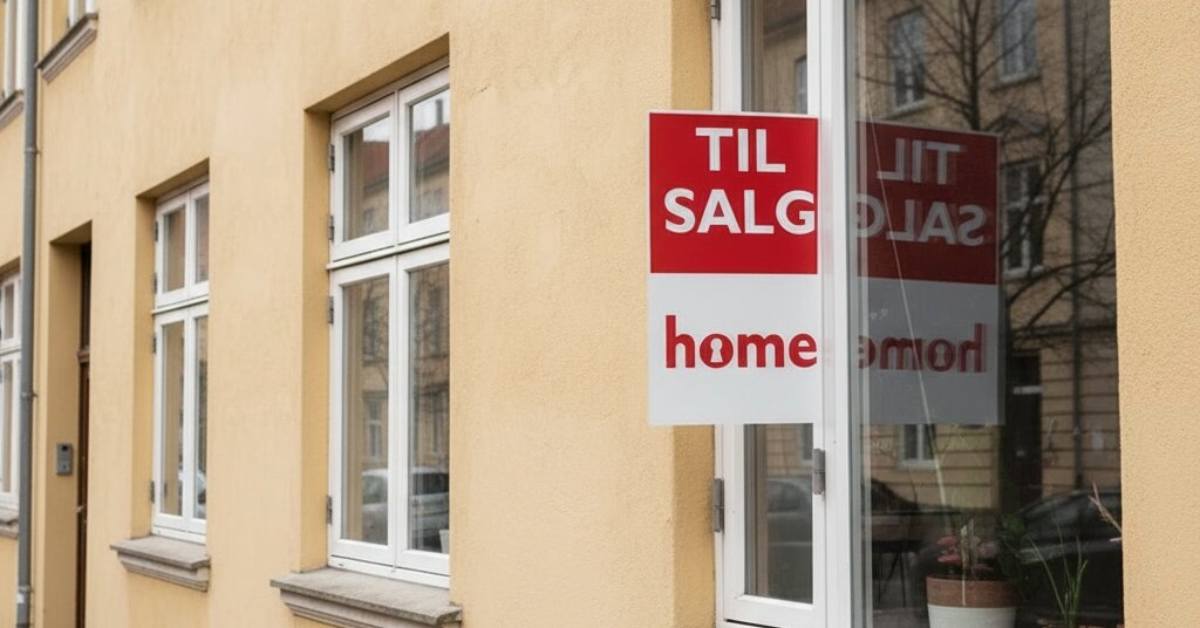
Denmark’s apartment market hit a record high in the first half of 2026, with total sales reaching 44.5 billion kroner. Fewer apartments changed hands than in the 2021 boom, but soaring prices drove the value to an all-time peak.
The numbers are stark. Between January and June this year, Danes bought and sold 10,458 owner-occupied apartments for a combined 44.5 billion kroner, according to Boligsiden, the real estate industry’s statistics portal. That is the highest nominal turnover ever recorded in their data. It surpasses the previous peak from the first half of 2021, when pandemic-era low interest rates and pent-up demand sent the market into overdrive.
But here is the catch. In 2021, Danes bought 12,931 apartments in the same period. This year, they bought 19 percent fewer. Yet the total spent jumped five percent. The math is simple and sobering. Apartments are just more expensive now, especially in the cities where most people want to live.
Copenhagen still leads, but Aarhus is catching up
Copenhagen dominates the market. The capital alone accounted for 20.5 billion kroner in apartment sales during the first six months, nearly half the national total. That is also a record, though only narrowly ahead of last year. Birgit Daetz, chief economist at Boligsiden, notes that prices in Copenhagen were already climbing sharply in 2025, so the year-on-year increase this time is just two percent.
Aarhus tells a different story. The country’s second city saw apartment sales hit 5.0 billion kroner, up 26 percent from the same period last year. That is the highest ever recorded for Aarhus in Boligsiden’s statistics. The gap between the two cities remains wide, but Aarhus is accelerating. For anyone trying to buy an apartment in Copenhagen or Aarhus, the takeaway is clear. Prices are rising fast, and competition is fierce.
Inflation complicates the picture
Raw numbers do not tell the whole story. When adjusted for inflation, the 2021 boom still holds the crown. That first half of 2021, recalculated to today’s prices, represents a purchasing power equivalent of 49.1 billion kroner. So in real terms, Danes spent more on apartments five years ago than they did this year.
Still, the nominal record matters. It reflects what buyers are actually paying now, not what their money would have bought in the past. And for many households, especially younger ones or expats navigating Denmark’s housing market for the first time, affordability is measured in kroner on the table today, not inflation-adjusted theory.

Prices up, volumes down
The data reveals a market that has shifted fundamentally since the interest rate shock of 2022 and 2023. When the European Central Bank and Danmarks Nationalbank raised rates to fight inflation, mortgage costs jumped. Buyers stepped back. Sales volumes fell, and prices flattened or dipped slightly in some areas.
Now, rates have stabilised. They remain higher than the ultra-low levels of 2020 and 2021, but they are predictable. That predictability appears to have unlocked demand. Households that postponed buying during the volatile years have started moving again. The result is a market where transaction numbers remain below the old peak, but each sale fetches a higher price.
Who is buying, and why now
Urbanisation continues to drive demand. Young adults, students and small households cluster in Copenhagen and Aarhus, drawn by jobs, education and lifestyle. Statistics Denmark data show persistent net migration from rural areas to the major cities, especially among people in their twenties and thirties. These are the cohorts most likely to buy apartments, not detached houses.

Investor activity also plays a role, though precise figures are hard to come by. Pension funds and property companies invest in large new apartment blocks, while private landlords buy individual units to rent out. This adds to demand and, critics argue, pushes prices higher for ordinary buyers. Supporters counter that investors supply rental housing and absorb market risk. Either way, their presence is felt.
Affordability worries grow
Record sales values sound like good news for sellers and the construction industry. For buyers, especially those without existing housing wealth, the picture is less rosy. High prices mean large down payments and stricter credit assessments. Young professionals, key workers and expats often find themselves priced out of central districts or forced to consider alternatives further from the city core.
I have watched this dynamic play out over the years. The gap between those who own and those who rent widens with every price rise. Copenhagen tries to mandate social housing quotas in new developments, but political resistance and developer concerns slow progress. Meanwhile, the waitlists for affordable rental apartments stretch into years, sometimes decades.
Financial stability questions linger
Denmark has one of the highest household debt-to-income ratios in the OECD, driven largely by mortgage borrowing. Danmarks Nationalbank and the Financial Supervisory Authority monitor lending standards closely. They warn that highly indebted households are vulnerable to income shocks or renewed rate increases.
The H1 2026 record raises the question. Are more households stretching too far to get onto the property ladder? Regulators push banks to maintain conservative credit practices, but competition in the mortgage market can erode caution. The tension between growth and prudence runs through every official report on housing.
What comes next
Economists are split on whether the current price levels are sustainable. Some argue that strong employment, wage growth and demographic demand justify today’s valuations. Others warn that structural undersupply in central districts could fuel speculative bubbles, especially if interest rates fall again. There is no consensus, and that uncertainty itself shapes the market.
For expats and newcomers, the Danish apartment market in 2026 is a seller’s paradise and a buyer’s challenge. Prices are high, competition is intense, and the regulatory and tax landscape is complex. The record sales figures confirm what many already know. Getting a foothold in Copenhagen or Aarhus requires financial firepower, patience and often a willingness to compromise on location or size.
Sources and References
Ritzau: 44,5 milliarder kroner: Lejlighedssalget når nyt højdepunkt i første halvår
The Danish Dream: How to Buy Apartment in Copenhagen
The Danish Dream: Buying an Apartment in Denmark Made Easy
The Danish Dream: Housing Agencies in Denmark