Denmark’s annual democracy festival on Bornholm has quietly become a critical venue where international residents’ lives are shaped, as thousands of events spanning EU labour policy, multilingual welfare and green transition pack the island town this week.
Folkemødet 2026 opened yesterday in Allinge, a town of barely 2,000 people on Bornholm, for three days of political debates, business panels and NGO pitches. If you are an expat living in Denmark, you should care. Many of the rules that govern your residency, your workplace rights and your access to public services are tested here long before they reach the floor of parliament.
I have watched Folkemødet grow over the years. What started as a modest Danish answer to Sweden’s Almedalen Week has become a densely packed political marketplace. This year, the festival runs from 11 to 13 June, and the programme shows a marked shift. More sessions now directly address issues that affect foreigners, EU citizens and non-Danish speakers.
Business and welfare meet democracy
Dansk Industri has set up shop at DI Hjørnet and five partner stages. Their agenda includes debates on AI regulation, labour shortages and the green transition. These are not abstract policy topics. They shape the working conditions of the thousands of international specialists employed by Danish companies.
Dansk Erhverv is running a parallel programme on welfare state sustainability and competitiveness. For expats, these debates matter because they set the tone for immigration policy, language requirements and access to social benefits. The language used in the tents often becomes the language in coalition agreements.
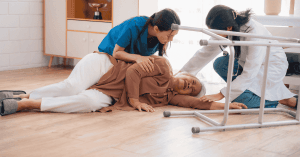
One session stands out. On Thursday morning, language technology company Clex hosted a panel at Bornholmerhuset on quality in elder care when more languages are involved. It was scheduled for 11:00 in room K21. The discussion explicitly tackled multilingual provision, both for elderly immigrants and for the foreign care workers who increasingly staff Denmark’s nursing homes.
Copenhagen summit sets the stage
Folkemødet 2026 did not arrive in a vacuum. One month earlier, on 12 May, the Copenhagen Democracy Summit took place at the Royal Danish Playhouse. The event was organised by the Alliance of Democracies and featured Mette Frederiksen and former NATO chief Anders Fogh Rasmussen among its speakers.
The summit presented the 2026 Democracy Perception Index. The survey polled 94,146 people in 98 countries. The results showed widespread concern that governments are not acting in the interests of the majority, even in democracies. That message feeds directly into the Bornholm festival.
Rasmussen Global is hosting conversations on geopolitics at Folkemødet this week. Their focus includes the Russian invasion of Ukraine, the energy crisis and the green transition. These topics sound distant, but they are not. Denmark’s role in European support for Kyiv and in North Sea energy projects directly affects foreign specialists and contractors working here.
Getting there is easier than you think
DAT now offers direct flights from Copenhagen, Billund and Aalborg. The Copenhagen route takes 40 minutes, Billund one hour and five minutes, and Aalborg one hour and 15 minutes. The extra flights are part of a campaign to make the festival accessible for business and NGO stakeholders.
For expats, the logistics barrier has dropped. But the language barrier remains. Most debates are conducted in Danish. The official programme can be filtered by organiser and topic, which helps identify English friendly sessions. EU policy panels and global democracy talks are safer bets for non-fluent participants.
Why expats should pay attention
I have learned that Danish politics often works through informal signalling. Folkemødet is where ministers, union leaders and business chiefs float ideas and test reactions. A debate on foreign worker integration or language in welfare services can foreshadow legislative changes months later.

International residents working in Danish firms can sometimes access the festival through employer invitations. Industry groups such as DI and Dansk Erhverv organise trips for member companies. Their 2026 programmes include sessions on AI governance, labour market reform and sustainability, all areas where foreign staff have a direct stake.
For those in the welfare sector, particularly foreign nurses and care workers, the Clex panel on multilingual elder care was a rare acknowledgment that Denmark’s welfare model increasingly depends on international labour. Quality of service and working conditions for foreign staff are two sides of the same coin.

There is no single expat tent at Folkemødet. But the festival now functions as an informal annex to Denmark’s international role. EU economic governance, NATO commitments and labour shortages in welfare all shape immigration and labour policy indirectly. The conversations happening this week on Bornholm will echo in residence permit decisions and workplace regulations for years.
A festival that matters more than it looks
Folkemødet is often dismissed as a networking circus for insiders. There is truth to that. But for expats who want to understand how Denmark really works, it offers a concentrated dose of the political culture. The island setting, the tent format and the mix of high level speakers with grassroots activists create a transparency that is rare in Danish politics.
This year, with the democracy summit still fresh and global worries about democratic backsliding front of mind, the stakes feel higher. Denmark is staging a two step democracy conversation, first in Copenhagen with international elites, then on Bornholm with mass participation. For those of us who live here but come from elsewhere, both events matter.