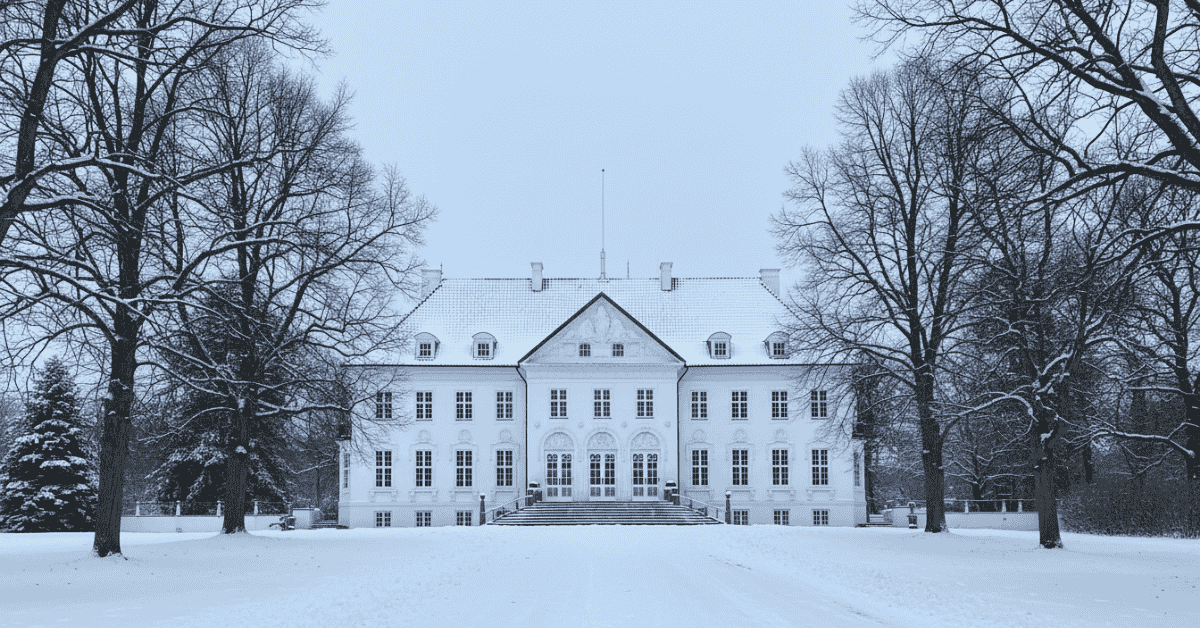
Nestled within the picturesque city of Aarhus, Marselisborg Palace (in Danish: Marselisborg Slot) stands as a striking piece of Denmark’s architectural and cultural heritage. This royal residence is not merely a building of stone and tiles; it is imbued with history, tradition, and contemporary relevance. With its elegant architecture and lush, sprawling gardens, Marselisborg Palace is a representation of Danish royal history and a symbol of the country’s deep-seated royal traditions.
- Historical Significance of Marselisborg Palace: Built between 1899 and 1902 as a wedding gift from the Danish people to Prince Christian and Princess Alexandrine, the palace reflects Denmark’s rich heritage and monarchy-citizen connection.
- Public Access and Interior Visits: The interiors of Marselisborg Palace are not open to the public; visitors can enjoy the gardens and parkland when the royal family is not in residence.
- Best Time to Visit: Late spring or early autumn is ideal for visiting, when the gardens are in full bloom or displaying vibrant autumn colors, outside the royal holidays.
- Getting There: Located 3 km south of Aarhus, the palace is easily accessible by car, bus routes like 18 or 100, or a scenic 30-minute walk from the city along the coast.
- Tips for Visiting: Check royal residence schedules, dress for outdoor weather, respect the grounds, and explore nearby attractions for a richer experience.
Importance and Significance of Marselisborg Palace
Marselisborg Palace holds a significant place not only in the architectural landscape of Denmark but also in the lives of the Danish royal family and citizens alike. Built over a century ago, the palace is a testament to Danish craftsmanship and a reflection of the country’s rich heritage. Constructed between 1899 and 1902, the palace was initially a wedding gift from the people of Denmark to Prince Christian (later King Christian X) and Princess Alexandrine. The project was funded by the people, highlighting the deep-seated connection and cherished relationship between the Danish monarchy and its citizens.
The palace is surrounded by a lush park of over 32 acres (13 hectares) that becomes a public garden whenever the royal family is not in residence. The grounds, with their perfectly manicured lawns, beautiful flower beds, and ancient trees, are a haven for nature lovers and history enthusiasts alike. This welcoming ambience makes Marselisborg a living relic of national pride, accessible to the public, and a key highlight of any visit to Aarhus.
Architectural Beauty
The architectural beauty of Marselisborg Palace is evident in its design which reflects the traditional Danish architectural style while also embodying modern influences of its time. Designed by architect Hack Kampmann, the building exemplifies the sleek yet classic style preferred by Scandinavian royalty at the turn of the 20th century. The whitewashed walls, slate roof, and ornamented windows add a quaint charm that attracts photographers and art lovers from around the world.

Moreover, the palace interiors showcase an impressive collection of artworks and furniture that tell stories of different epochs. While visiting the estate or viewing images, one can see the opulent yet tasteful arrangement of rooms that underscore the royal family’s affinity for both aesthetic beauty and cultural richness.
The Royal Connection
Marselisborg Palace has a rich connection to the Danish monarchy, serving as the summer residence of Queen Margrethe II since her ascension to the throne in 1972. This role as a royal retreat allows Marselisborg Palace to assume a unique position between a private residence and a public historical site. During the Easter, Christmas, and summer holidays, the Queen and her family can be seen enjoying the tranquil beauty of the palace grounds.
The Queen’s presence lends an aura of regality to the palace, while her appreciation of art is evident in the tasteful additions to its décor. For locals, the palace is a beacon of royal tradition, yet it is also admired for its openness, as the Queen is known to mingle with the people of Aarhus during her stays.

Cultural Events and State Affairs
Beyond its role as a royal residence, Marselisborg Palace is occasionally employed in state affairs and cultural events. The changing of the guard ceremony, a regal spectacle that takes place when the monarch is in residence, is a popular event that draws both Danes and international tourists. This ceremony not only showcases Danish military tradition but also offers a glimpse into the ceremonial aspects of monarchic life.
Additionally, Marselisborg is sometimes the backdrop for cultural events celebrating Denmark’s rich artistic legacy. Whether it is a concert, an art exhibition in its expansive gardens, or public celebrations during national holidays, the palace serves as a vibrant cultural hub that echoes with the sounds of Denmark’s living history. For travelers and locals alike, Marselisborg Palace is an engaging destination that encapsulates the royal narrative of Denmark, inviting visitors to step back in time while enjoying the modern resonance of a nation deeply connected to its roots.
Visiting Marselisborg Palace: A Journey Through Danish Royalty
Exploring Marselisborg Palace is a delightful experience, combining the allure of royal history with the serenity of nature. While the interiors of the palace are not open to the public, the surrounding gardens and parkland present a regal atmosphere to marvel at. Visitors can immerse themselves in a blend of history and nature all year round, especially when planning a trip to Aarhus, Denmark’s second-largest city.
When to Visit
Marselisborg Palace is accessible to the public when the royal family is not in residence, typically outside of their summer, Easter, and Christmas vacations. This makes late spring and early autumn the ideal times to explore the palace grounds and enjoy the gardens in full bloom or rich autumn colors. The changing of the guard ceremony is a must-see event for history enthusiasts, occurring daily at noon during the monarch’s residency. Knowing when the Queen is not in residence helps tourists optimize their visits and plan around these revered traditions.

During the busy summer months, Aarhus attracts many visitors, so timing a visit during off-peak hours or seasons can also provide a more personal and tranquil experience. The gardens, which encompass 32 acres (13 hectares), offer ample space to explore without the concern of crowds, with sections designed for leisurely walks or quiet reflection.
How to Get There
Marselisborg Palace is conveniently located about 3 kilometers (2 miles) south of Aarhus city center, making it easily accessible. Visitors can reach the palace by car or public transportation. For those who prefer a scenic route, a leisurely walk along the coast from Aarhus takes about 30 minutes. Alternatively, city buses frequently run to the palace grounds, with routes such as the 18 or 100 taking visitors directly to the vicinity of the park.
For those traveling by car, there is ample parking available nearby, allowing visitors from other regions of Denmark or international tourists with rented vehicles to easily navigate to the site. Regardless of the mode of transportation, reaching Marselisborg Palace is simple and straightforward.
Tips for Visiting Marselisborg Palace
To make the most of a visit to Marselisborg Palace, consider these helpful tips:
Check the Royal Schedule: Before planning a visit, it’s wise to confirm whether the Queen is in residence. This can be done by checking the royal family’s official website or local tourist information. If the Queen is at the palace, the gardens will not be open to the public, so adjust plans accordingly.
Explore the Surrounding Area: Aarhus is a vibrant city with a rich historical backdrop and cultural offerings. Incorporate visits to nearby attractions, such as the Moesgaard Museum or Aarhus Botanical Garden, for a comprehensive outing. This also allows visitors to experience the fusion of history, modern Danish life, and nature.
Prepare for the Outdoors: The Danish weather is famously unpredictable, so it’s best to dress in layers and bring rain gear when exploring Marselisborg Palace’s gardens. Comfortable footwear is advisable as the extensive gardens and lawns require a fair amount of walking to fully appreciate the scenery.
Respecting the Grounds: While the gardens are open to the public, it is important to respect this royal property as a residence. Ensure that litter is disposed of appropriately, and follow any signage or guidelines to help maintain the serene environment.
Whether planning a short visit or a longer exploration of Aarhus, Marselisborg Palace offers a welcoming and informative glimpse into the Danish monarchy. With careful planning and consideration of the local offerings, a visit to Marselisborg Palace can be an enriching experience that showcases the best of Denmark’s royal legacy and natural beauty.
Conclusion: Embracing Danish Heritage
Marselisborg Palace is more than a royal residence; it is a symbol of Denmark’s rich history and cultural significance. Surrounded by lush gardens and historically significant architecture, it stands as a testament to both the visual splendor and the welcoming spirit of Danish royalty. Whether discovering the tranquil beauty of the gardens or attending the time-honored changing of the guard ceremony, visitors are offered a unique opportunity to glimpse the regal tradition and natural elegance that characterize this beloved landmark.
Summary
– Built from 1899 to 1902, Marselisborg Palace was a wedding gift to Prince Christian and Princess Alexandrine.
– The palace serves as the winter residence of Queen Margrethe II and holds significance in Danish royal life.
– Visitors can explore over 32 acres (13 hectares) of public gardens when the royal family is not in residence.
– Situated 3 kilometers (2 miles) from Aarhus city center, the palace is easily accessible by car, bus, or a scenic walk along the coast.
– The changing of the guard ceremony is a must-see event for those interested in Danish military tradition.

FAQ about Marselisborg Palace
What is the historical significance of Marselisborg Palace?
Marselisborg Palace was built between 1899 and 1902 as a wedding gift from the Danish people to Prince Christian and Princess Alexandrine, reflecting Denmark’s rich heritage and the strong connection between the monarchy and its citizens.
Can the public visit the interiors of Marselisborg Palace?
No, the interiors of Marselisborg Palace are not open to the public; visitors can enjoy the surrounding gardens and parkland which are accessible when the royal family is not in residence.
When is the best time to visit Marselisborg Palace?
The best time to visit is during late spring or early autumn when the gardens are in full bloom or showing vibrant autumn colors, and outside of the royal family’s official holidays when the grounds are open to the public.
How can I get to Marselisborg Palace?
Marselisborg Palace is located about 3 kilometers south of Aarhus city center, accessible by car, bus routes such as the 18 or 100, or a scenic 30-minute walk from the city along the coast.
What are some tips for visiting Marselisborg Palace?
Visitors should check if the royal family is in residence to confirm garden hours, dress appropriately for outdoor weather, respect the grounds, and consider exploring nearby attractions for a comprehensive experience.