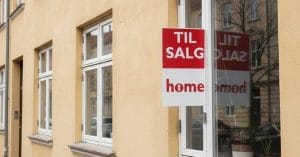
A new asbestos proposal in the Danish Parliament has split lawmakers and housing advocates, with critics warning the plan leaves hundreds of thousands of homeowners to bear the cost and risk of removing dangerous materials themselves.
Around 380,000 Danish homes still have asbestos-containing roofs, most of them built during the 1960s through 1980s when asbestos cement was standard. The material was banned in 1986, but four decades later it remains embedded in older detached houses, summerhouses and apartment blocks across the country. Now Parliament is weighing how aggressively to tackle the problem, and the debate has turned sharp.
The core disagreement is simple. One side wants a generous state support pool to fund systematic removal. The other warns that open-ended subsidies could cost billions and mainly benefit property owners who can already afford renovations. The new proposal emerging from recent talks appears to lean toward the second camp, relying largely on existing rules and limited funding rather than a national cleanup program. Critics say that approach is gambling with public health.
The expat angle
If you own property in Denmark as a foreigner, this matters. Older houses, especially those charming 1970s detached homes and summerhouses that expats often buy, are exactly the stock most likely to contain asbestos roofing sheets. Danish labour costs are high. Certified asbestos removal is not cheap. And there is currently no nationwide subsidy scheme to help you pay for it.
The rules are strict. You cannot legally tear out suspected asbestos yourself. Only certified professionals using full protective equipment may handle and dispose of asbestos waste. Municipal recycling centres require the material to be double-bagged and labelled. If you get it wrong, you face fines or outright refusal at the genbrugsplads.
For expats running trades businesses, the stakes are even higher. Foreign workers in construction, renovation or cleaning are subject to the same Danish occupational safety rules as Danes, but may be less familiar with their rights or required protective measures. Unsafe work can lead to stop-work orders and penalties from Arbejdstilsynet, the labour inspectorate.
What the proposal does and does not do
The trades organisation Dansk Håndværk has called for an ambitious national plan to renovate all 380,000 homes with asbestos roofs, making them safe for residents and workers alike. A citizens’ proposal on Borgerforslag.dk reached the signature threshold for parliamentary consideration, urging Folketinget to create a targeted state fund for asbestos removal in private homes.
But the compromise now on the table does not deliver that. According to the TV 2 report, the new plan stops short of a broad, long-term subsidy program. Instead it leaves much of the responsibility and cost with individual homeowners.
Health advocates and unions argue this is inadequate. Asbestos exposure causes asbestosis, lung cancer and mesothelioma, often with a latency period of 20 to 40 years. Leaving removal to cash-strapped homeowners drives unsafe DIY work and exposes both residents and tradespeople to fibres. Dansk Håndværk warns that the current patchwork approach leads to black-market removal and increased risk.
The fiscal pushback
Opponents of a large state scheme have their own concerns. A full subsidy program could cost several billion kroner over time and primarily benefit property owners rather than renters or low-income households. Some policymakers worry that promising to remove all asbestos would create contractor shortages and drive renovation prices even higher. There is also fear that generous support would mainly flow to resource-strong homeowners in wealthy areas, widening the gap with rural and working-class neighbourhoods.
What you should do
If you own an older Danish home, check the construction year and roof type. Houses built between 1950 and 1986 are high risk. Eternit roofing sheets and certain floor tiles and pipe insulation commonly contained asbestos. If in doubt, hire a building surveyor to test samples before you renovate.
Contact your local borgerservice for guidance on permits and any available municipal renovation grants. Follow the packaging and disposal rules at your genbrugsplads exactly. And if you are having work done, make sure the contractor is certified for asbestos handling.
The political fight over subsidies will continue. But the material is already in your walls and over your head. Waiting for Parliament to act is not a strategy.