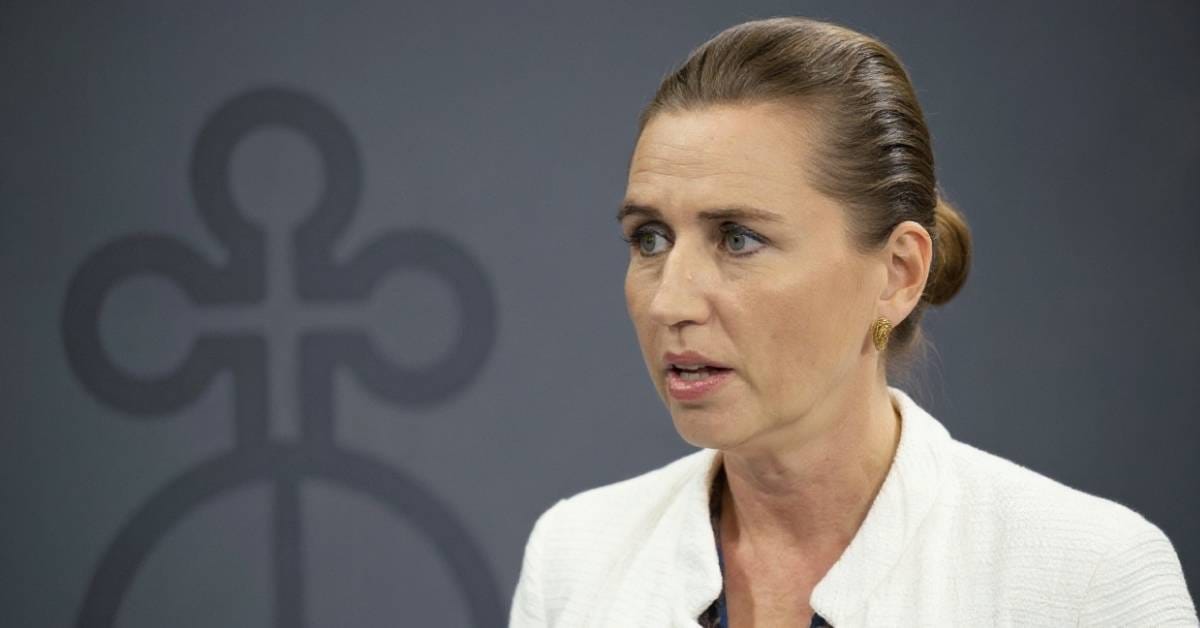
Denmark’s prime minister has dominated front pages for the wrong reasons this week, with commentators warning Mette Frederiksen’s confrontational TV performances pose a serious burden to her government and risk escalating into a full political crisis.
The last 48 hours have turned Frederiksen‘s communication style into the main political story. A DR interview and TV 2 segment dissected her evasive, visibly irritated responses to critical questions. Political commentator Bent Winther told Berlingske it looks really bad. He called it a serious burden for the government.
The coverage signals something deeper than a bad interview day. Multiple major outlets now frame Frederiksen’s media handling as a central political problem, not a sideshow. TV 2 warned the situation can become very violent politically for the prime minister and her coalition.
A Pattern of Evasion
Frederiksen has led Denmark since June 2019. She currently heads a broad coalition of Social Democrats, Venstre and the Moderates formed after the November 2022 election. Her approval ratings peaked during the pandemic but collapsed after the illegal mink cull and deleted SMS scandal.
In recent interviews she has attacked journalists who press her on sensitive topics. She once called a TV 2 reporter’s question about civilian Palestinians deeply worrying and utterly ahistorical. When confronted with follow-up questions she often challenges the premise rather than answering directly.
This matters beyond Danish political theater. For the 680,000 foreign citizens living here, trust in top leadership directly affects perceptions of institutional reliability and policy predictability. Expats depend on stable rules for residency, work permits and welfare.
Why Expats Should Pay Attention
Non-Danish residents cannot vote in national elections unless they hold Nordic or EU citizenship. We rely heavily on mainstream media and prime ministerial statements to understand where the country is heading. When the prime minister visibly clashes with DR, TV 2 and major newspapers, it raises questions about transparency and accountability.
A government under communication pressure often adjusts policy emphasis to shore up support. That can mean tougher rhetoric or actual rule changes on immigration, security and integration. Denmark already runs one of Europe’s stricter immigration regimes.
I have watched this dynamic before. After the mink case, trust in government dropped from around 60 percent to roughly 35 percent in polling. The fallout reshaped political discourse and made leaders more defensive, not more open.
What Critics Say
Commentators across the spectrum argue Frederiksen shows intolerance toward scrutiny. Her refusal to answer specific questions clearly undermines trust in the Prime Minister’s Office. Some say it echoes the opacity of the mink and SMS scandals, where information emerged only after intense pressure.
Press freedom advocates warn that dismissing critical questions as ignorant or worrying chills robust journalism. It sends a signal that holders of power do not need to stand by their decisions. That matters internationally too, in a country that still scores highly on media freedom indices.
Supporters counter that journalists stage confrontational questions leaving little room for nuance. They say Danish media has become more personality driven, focusing on tone instead of substance. Some argue Frederiksen delivers on economic management, Ukraine support and immigration control, policies broadly popular with voters.
What Expats Can Do
You cannot fix a prime ministerial media crisis. But you can protect yourself by diversifying news sources and using official channels for legal matters. Formal rights are governed by law, not TV interviews.
Follow nyidanmark.dk for immigration rules, borger.dk for citizen services and skat.dk for tax guidance. Track DR, TV 2, Politiken and Berlingske with browser translation tools to get a fuller picture than English summaries provide. Watch for concrete legislative proposals, not just commentary.
If you have lived here three years, you can vote in municipal and regional elections. That gives you a voice on local integration policy and services shaped by national political moods. Unions, legal aid clinics and expat organizations track changes affecting foreigners.
The current storm fits a broader European pattern of post pandemic backlash against leaders over transparency. Danish institutions remain robust. But the tone of national politics could harden, particularly on migration and security, as Frederiksen tries to show strength. In Denmark, political signalling translates quickly into new residency requirements and benefit conditions. This is not abstract drama. It shapes the country we live in.