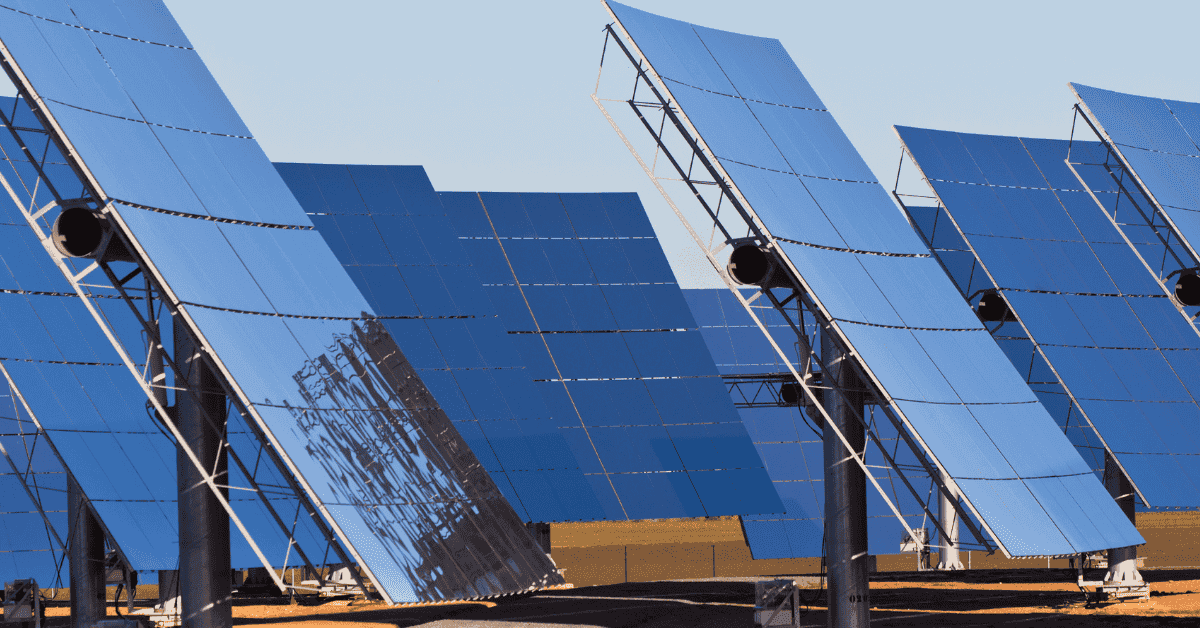
Danish electricity customers are increasingly finding the cheapest power during midday hours rather than at night, as solar energy reshapes pricing patterns across Europe. The shift, which began in 2020, now means the lowest rates typically occur between noon and 3 PM from March through October.
Solar Power Transforms Pricing Patterns
The timing of cheap electricity in Denmark has undergone a fundamental change. For years, nighttime hours reliably offered the lowest rates. However, this pattern has reversed during spring and summer months as renewable energy production has expanded.
Midday Becomes the New Sweet Spot
In the first half of March 2026, electricity prices hit their lowest point between noon and 3 PM. The raw electricity price during these hours averaged between 0.36 and 0.42 kroner per kilowatt hour, excluding various fees and tariffs. This represents a significant opportunity for consumers to reduce their electricity costs.
Energy company Norlys reports that this trend started appearing in 2020. By 2024 and 2025, daytime hours consistently provided the cheapest electricity from March through October or November. The pattern then reverses during winter months when nighttime rates typically drop again.
Renewable Energy Drives the Change
The transformation stems directly from Europe’s growing solar and wind capacity. Denmark, Germany, and the Netherlands have installed substantial solar panel infrastructure in recent years. These panels generate peak output during sunny midday hours, flooding the market with low cost power.
Mads Brøgger from Norlys explains that renewable energy sources represent the cheapest forms of electricity production. As more solar and wind power enters the European energy system, weather patterns increasingly determine electricity prices. This creates predictable daily fluctuations based on sun and wind availability.
Why Nighttime Is No Longer Always Cheapest
The expansion of electricity use across society has fundamentally altered consumption patterns. Denmark’s transition to electric heating and vehicles has dramatically increased overall electricity demand.
Growing Demand Meets Limited Supply
A windy night no longer guarantees rock bottom prices. Andreas Nyholm, a meteorologist at TV 2 Weather who closely tracks electricity prices, notes that increased consumption has outpaced wind generation capacity. When wind turbines cannot meet nighttime demand, prices get influenced by natural gas costs.
Between March and September, consumers can sometimes find free electricity between 10 AM and 4 PM. Solar panels dominate pricing throughout much of Europe during these hours. However, nighttime increasingly requires supplemental power from gas fired plants, which raises costs.
Future Expansion May Not Change the Pattern
New offshore wind farms are expected to come online by 2030. However, Nyholm predicts that rising electricity consumption may prevent nighttime prices from regularly dropping to zero again. Solar panel installations proceed much faster than wind farm construction, reinforcing the likelihood of cheap midday electricity.
Expanded offshore wind capacity could reduce prices by up to 7 percent in western Denmark by late 2026, according to energy projections. Nevertheless, the rapid deployment of solar technology suggests that free midday electricity between March and September may become standard in coming years.
What This Means for Consumers
Danish electricity customers need to adapt their usage patterns to maximize savings. The shift to midday cheap power creates opportunities for those willing to adjust when they consume electricity.
Strategic Timing Reduces Bills
Running dishwashers, washing machines, and other high consumption appliances during midday hours now makes financial sense during warmer months. Charging electric vehicles between noon and 3 PM can significantly reduce monthly electricity costs. These behavioral changes directly translate to lower bills for households on variable rate contracts.
Current spot based electricity prices hover around 0.72 kroner per kilowatt hour for raw electricity. Total consumer prices range from 1.58 to 1.64 kroner per kilowatt hour among the cheapest providers. These rates include network fees of approximately 0.60 kroner per kilowatt hour and Energinet tariffs of 0.26 kroner per kilowatt hour.
Seasonal Patterns Require Flexibility
Norlys data shows that electricity prices typically shift back to nighttime lows around October or November. This seasonal variation requires consumers to stay informed and adjust their habits accordingly. The pattern has proven consistent over recent years, creating a reliable framework for planning.
Government policy changes also affect overall costs. The electricity tax dropped to just 0.01 kroner per kilowatt hour from January 2026 through December 2027. This temporary reduction makes electricity more competitive with fossil fuels, supporting Denmark’s green transition despite new carbon taxes adding approximately 0.10 kroner per kilowatt hour.
Competition Keeps Prices Low
The Danish electricity market features strong competition among low cost suppliers. This competitive environment benefits consumers seeking spot price contracts with minimal add on fees.
Leading Providers Offer Attractive Rates
Altid Energi currently leads some comparison rankings at 1.58 kroner per kilowatt hour with zero subscription fees. DCC Energi offers rates between 1.59 and 1.61 kroner per kilowatt hour with introductory free periods. Cheap Energy provides simple variable deals at 1.60 kroner per kilowatt hour.
Rankings vary slightly between comparison websites depending on assumptions about annual consumption and promotional period durations. Some sites calculate based on 2,000 kilowatt hours yearly while others use 4,000 kilowatt hours. These variations explain minor discrepancies in provider rankings.
Market Dynamics Favor Consumers
The emphasis on spot price models with minimal supplier margins creates downward pressure on rates. Providers focusing on electric vehicle charging and collective purchasing arrangements further expand options. This competitive landscape ensures that consumers who actively compare providers can access the lowest available rates.
Network fees and national tariffs remain fixed regardless of supplier choice. However, the supplier margin component varies from zero to 0.19 kroner per kilowatt hour. Choosing providers with minimal margins maximizes the benefit of favorable spot market conditions.
A Personal Take
I find the shift to cheap midday electricity genuinely exciting for Denmark’s energy transition. The fact that solar power now dominates pricing during daylight hours demonstrates how quickly renewable infrastructure can transform markets. For consumers willing to adapt, this creates real opportunities to cut costs simply by running appliances during lunch hours or early afternoon. The environmental benefit aligns perfectly with the financial incentive, which feels like a rare win for both sustainability and household budgets.
Challenges Remain for Many Households
However, I recognize that not everyone can easily shift their electricity use to midday windows. People working outside the home cannot always run washing machines at 1 PM. Families with specific routines may struggle to delay cooking or other activities to match pricing patterns. The savings potential exists primarily for those with flexible schedules or smart home technology that can automate usage timing. As Denmark pushes further into electrification, ensuring that pricing structures benefit all households, not just the most adaptable ones, will become increasingly important. I hope future developments in battery storage and grid management will make these benefits more accessible to everyone.
Sources and References
The Danish Dream: Danish Electricity Prices Surge to Two Month High
The Danish Dream: Denmark Bans Trawling to Protect Danish Marine Life
The Danish Dream: Electricity Prices in Denmark Rises After Sunny Months
The Danish Dream: Energy Electricity in Denmark for Foreigners
TV2: Nyt tidspunkt for billig el har bidt sig fast