Denmark is bracing for severe winter weather as the Danish Meteorological Institute warns of heavy snow and snowstorms across the country. Nordjylland is expected to be hit particularly hard, with conditions lasting through Friday afternoon or evening.
Major Snowstorm Sweeps Across Denmark
The Danish Meteorological Institute has issued warnings for significant snowfall and blizzard conditions affecting large parts of Denmark. Starting from the morning of February 5th, widespread snow has been spreading from the south and intensifying as it moves northward.
Northern regions are experiencing some of the most severe conditions. Nordjylland faces the brunt of the storm, with forecasts predicting that heavy snow and strong winds will continue until Friday afternoon or evening. Meanwhile, other parts of the country are also seeing substantial snowfall as the weather system moves across Denmark.

Snow Drifting and Blizzard Conditions
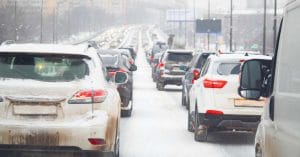
Beyond the heavy snowfall itself, authorities are particularly concerned about snow drifting. Strong winds are causing localized drifting in multiple areas, which can create hazardous driving conditions and reduce visibility significantly. These conditions make travel dangerous and can lead to road closures in affected regions.
The combination of heavy snow and wind creates what meteorologists call snowstorm or blizzard conditions. In fact, this type of extreme weather can disrupt daily life considerably. Residents are being urged to stay informed about local conditions and avoid unnecessary travel during the worst of the storm.
Impact on Transportation and Infrastructure
Road maintenance crews across Denmark have been working around the clock to keep major routes passable. Salt spreading and anti-icing measures have intensified as authorities work to ensure safe driving conditions. Despite these efforts, some roads may become temporarily impassable due to heavy accumulation and drifting snow.
Public transportation systems are also feeling the effects. Bus routes may experience delays or cancellations, and train services could face disruptions depending on snow accumulation on tracks and overhead lines. Travelers are advised to check with their transportation providers before heading out.

Looking at Denmark’s Changing Winter Patterns
Interestingly, meteorologists note that Denmark is expected to see more snowfall in future winters, even as global temperatures rise. This seemingly contradictory pattern occurs because warmer atmospheric temperatures hold more water vapor. When temperatures drop below freezing during winter months, this increased moisture translates into heavier precipitation in the form of snow.
The Danish Meteorological Institute’s long-term projections indicate that winters may bring more intense snow events. At the same time, the overall snow season might shift slightly later into the winter months as average temperatures continue to climb globally.
More Extreme Weather on the Horizon
This current snowstorm fits into a broader pattern of increasingly extreme weather events. Climate scientists explain that growing temperature differences across the globe are driving stronger wind patterns, which in turn contribute to more severe weather systems. As a result, Denmark and other Northern European countries should prepare for more volatile weather conditions in the years ahead.
The current storm demonstrates how winter weather can still pack a serious punch, even in an era of rising temperatures. Naturally, this has implications for infrastructure planning and emergency preparedness across the country.

Safety Recommendations During the Storm
Authorities are advising residents to take sensible precautions during the severe weather. Those who must travel should allow extra time for their journeys and drive cautiously. Keeping an emergency kit in vehicles is always a good idea during winter months, especially when snowstorms are forecast.
For homeowners, checking that heating systems are functioning properly is important. Additionally, ensuring adequate home insurance coverage for weather-related damage provides peace of mind during severe storms. Snow accumulation on roofs can sometimes cause structural concerns, particularly with older buildings.
When Will Conditions Improve?
Current forecasts suggest that the worst of the snowstorm should pass by Friday evening. However, localized snow showers may continue into the weekend in some areas. Temperatures are expected to remain cold enough to keep snow on the ground for several days after the storm passes.
Road conditions will gradually improve as maintenance crews continue their work. Even so, drivers should remain cautious of icy patches and areas where snow drifting has occurred. Black ice can form overnight as temperatures drop, creating invisible hazards on roadways.
Historical Context of Danish Winter Weather
Denmark typically sees its first snowfall in the first half of November, though October snow is not uncommon. Over the years, the timing has varied considerably based on broader weather patterns and climate cycles. Despite this, significant mid-winter snowstorms like the current event remain a regular feature of Danish winters.
The country’s infrastructure is generally well-prepared for winter weather. Road authorities maintain stocks of salt and anti-icing chemicals, and snow removal equipment is strategically positioned across municipalities. Obviously, the costs associated with winter maintenance increase during severe weather events like this one.
Municipalities across Denmark coordinate their response to major snow events. This ensures that critical routes remain passable and that emergency services can reach those who need assistance. Schools may close if conditions become too dangerous for students to travel safely.
Sources and References
The Danish Dream: Wild Weather Warning in Denmark Includes Thunderstorms and Hail
The Danish Dream: Best Home Insurance in Denmark for Foreigners
DR: Live Stort Snevejr Rammer Danmark