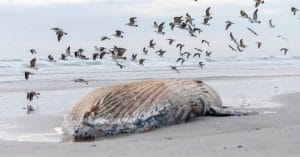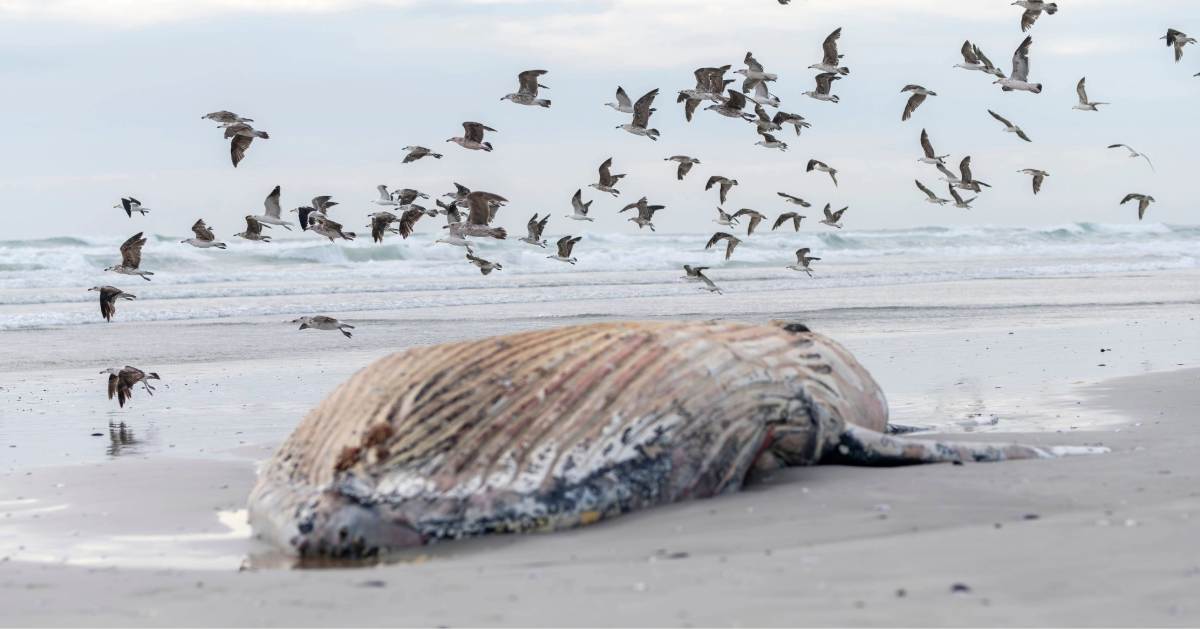
A dead sperm whale stranded in Ålbæk Bay in North Jutland is at risk of exploding due to gas buildup, prompting authorities to warn visitors to keep their distance. Warning signs are being installed as the 13.7-meter whale continues to attract large crowds to the beach near Frederikshavn.
Explosion Risk Prompts Safety Warning
Jesper Blom Hansen, forest ranger at the Nature Agency Vendsyssel, confirmed that the whale poses a genuine explosion risk. Researchers from Copenhagen noticed the carcass is developing gas inside its body, a natural but potentially dangerous part of decomposition.
He urged people to maintain a safe distance from the massive marine mammal. While there is no precise measurement for what constitutes a safe distance, officials recommend staying at least 40 to 50 meters away from the whale. This allows visitors to still observe the rare sight while remaining out of harm’s way.
Beyond the explosion risk, Hansen also warned against touching dead marine mammals in general. The decomposition process creates hazardous conditions that can pose health risks to curious onlookers.

First Sperm Whale Stranding in 16 Years
The stranded sperm whale represents the first such occurrence in Denmark since 2016. Biologist Annika Thomsen from the North Sea Oceanarium explained why these sightings are so uncommon in Danish waters.
Sperm whales typically avoid the relatively shallow waters of the North Sea, preferring deeper ocean environments where they hunt for squid and other prey. The shallow coastal areas around Denmark are not their natural habitat, making this stranding particularly unusual.
The whale was first discovered on Saturday afternoon in Ålbæk Bay. By Sunday, officials confirmed the animal was dead and had likely been deceased for some time before washing ashore. The whale weighs approximately one ton and measures 13.7 meters in length.
Its location about 30 meters offshore has made it easily visible from the beach, drawing unprecedented numbers of visitors to the area.

Massive Crowds Flock to Rare Sight
Throughout the weekend, thousands of people from across North Jutland traveled to see the stranded whale. The influx of visitors created significant traffic problems along the coastal road as cars lined up with drivers hoping to catch a glimpse of the marine giant.
Local residents reported never having seen so many people gathered on the beach at one time. The rare nature of a sperm whale stranding combined with easy access from the shore created a unique opportunity for Danes to see one of the ocean’s most impressive creatures up close.
Despite the excitement, the growing crowds raised concerns about public safety. As the whale’s body continues to decompose and gases build up inside the carcass, the risk of a sudden rupture increases. Authorities are now working to balance public interest with safety requirements.
Warning signs are being installed around the area to inform visitors of the potential danger. Officials hope these measures will prevent anyone from getting too close while still allowing people to witness this extraordinary event.
Scientific Value and Recovery Plans
The Danish Nature Agency is collaborating with the Maritime and Fisheries Museum to plan the whale’s recovery and conduct an autopsy. This process will help determine what caused the animal’s death and provide valuable scientific data about sperm whale health and behavior.
Stranded whales offer researchers rare opportunities to study these deep-diving mammals. Scientists can examine age, health conditions, nutrition, and potential injuries or diseases that may have contributed to the stranding. Such information enhances understanding of marine mammal populations and migration patterns.
For more insights into Denmark’s unique natural phenomena, you can explore Fur Island’s geological wonders, another remarkable site showcasing Denmark’s natural history.
Weather conditions and the whale’s offshore position may complicate recovery efforts. Specialized equipment and coordination between multiple agencies will be necessary to safely transport the massive carcass for examination.

Pattern of Marine Mammal Strandings
This sperm whale stranding follows several other notable incidents along Danish coasts in recent years. Multiple humpback whales washed ashore near Aarhus in 2025, including an 8.5-meter calf at Følle Strand in April and a 7-meter adult in Løgten Bay just 25 kilometers away.
These events provide researchers with important data about migration challenges marine mammals face in coastal fjords. Each stranding offers clues about environmental pressures, food availability, and navigation difficulties that can lead whales into dangerous shallow waters.
Past cases in North Jutland have included significant finds such as a 120-year-old fin whale and several sei whales that contributed to humpback whale research. One humpback skeleton from the 2025 Kalø Vig stranding will be featured in Fjord&Bælt’s new 800-square-meter extension opening in 2026, funded by the A.P. Møller Foundation.
Denmark has developed coordinated response protocols involving organizations like Fjord&Bælt, university veterinarians, and the Natural History Museum. These partnerships ensure that each stranding contributes maximum scientific value through thorough examination and documentation.
Public Safety Remains Priority
As the whale continues to decompose, the smell has begun spreading across the beach area. The odor serves as an additional deterrent for some visitors, though many remain undeterred by the unpleasant scent in their desire to witness the rare spectacle.
Authorities emphasize that maintaining distance is not just about avoiding the explosion risk. Decomposing whale carcasses can harbor bacteria and other pathogens that pose health risks to humans and pets. Contact with the carcass or even proximity to fluids leaking from it should be avoided.
The situation highlights the delicate balance between public interest in natural phenomena and safety concerns. While officials want to preserve opportunities for education and wonder, they must also protect people from genuine dangers associated with large decomposing animals.
Given that sperm whales are such infrequent visitors to Danish waters, this stranding represents a once-in-a-generation opportunity for many residents to see these magnificent creatures. However, officials stress that observation must be done responsibly and from a safe distance to prevent accidents or injuries.
Sources and References
The Danish Dream: Fur Island Timeless Geological Wonders
The Danish Dream: Best Travel Insurance in Denmark for Foreigners
TV2: Strandet hval i Nordjylland risikerer at eksplodere