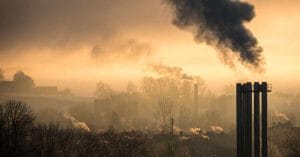
Denmark’s new climate target of cutting CO₂ emissions by 82 percent by 2035 triggers criticism from several political parties calling it too weak and unambitious, even as the government defends it as the most ambitious goal among developed nations.
Government Sets New Climate Goal
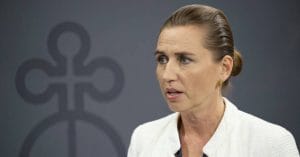
Denmark’s government has announced that by 2035 the country aims to reduce its CO₂ emissions by 82 percent compared to 1990 levels. The announcement was made by Climate Minister Lars Aagaard during the ongoing COP30 conference in Belém, Brazil. According to him, this target positions Denmark as the industrialized nation with the strongest official commitment to fighting climate change.
However, many Danish political parties disagree. Members across both the left and the right argue that the plan lacks ambition and fails to reflect the scale of the climate challenge ahead.

Opposition Labels the Plan “Unambitious”
Radikale Venstre’s climate spokesperson says the government seems more interested in outperforming other countries than in meeting what science demands. Enhedslisten’s representative called the 82 percent target “embarrassingly low,” given Denmark’s current trajectory already brings emissions close to that level under existing policies. According to the Climate Ministry’s projections, the country is already on course to reach around 80 percent by 2035.
Critics argue that adding just two percentage points over the next decade shows a disappointing lack of ambition. From their point of view, the government should instead commit to faster and deeper reductions and strengthen climate legislation in key sectors such as agriculture and transport.
Right-Wing Parties Question Spending Priorities
Interestingly, criticism also comes from the opposite side of the political spectrum. The Danish People’s Party believes the government is spending far too much money on climate initiatives, estimating costs around four billion kroner annually. The party argues that these funds would be better used on welfare and healthcare instead of additional green policies.
The Conservative Party is taking a softer line for now, saying it is too early to lock in a specific percentage target. The party plans to wait for broader discussions in Parliament before committing to a new number.

Green Parties Push for Climate Neutrality
On the other hand, Alternativet calls the plan far from bold enough, stating that Denmark has the potential to become fully climate neutral by 2035. The party suggests redirecting agricultural subsidies from animal to plant-based production and shifting public investment away from infrastructure projects with large carbon footprints.
The Socialist People’s Party (SF) also believes the government has “lost its green compass.” Its climate spokesperson said that the 2035 goal should land between 85 and 90 percent instead, emphasizing that stronger policies are needed to drive progress.
Minister Defends the Ambition
Minister Lars Aagaard insists that the government’s plan remains highly ambitious, describing it as the most progressive among developed economies. He points out that the 80 percent forecast relies on policies that are not yet fully implemented, including new measures for the agriculture sector.
Because of that, he argues, Denmark still faces major work ahead before these future reductions materialize. The government does not see the 82 percent goal as a reason to slow down its efforts. Instead, it says the plan aligns with long-term strategies to maintain national leadership in environmental progress and supports the country’s broader commitment under the green energy transition.

Room for Negotiation
The government leaves the door open for adjustments. The target could increase to 85 percent depending on ongoing negotiations with other parties, though no additional funding has been earmarked for a higher goal.
Radikale Venstre and Enhedslisten are expected to push for at least a 90 percent reduction during negotiations. Denmark’s independent Climate Council has presented cost estimates for 80, 85, and 90 percent scenarios, suggesting the most ambitious option would cost about 45 billion kroner more.
For Radikale Venstre, those costs could be shared by introducing earlier and stronger taxes on agricultural emissions. They argue that existing agreements give the farming sector too much time before such taxes take effect.
As the debate continues, one thing is clear. Denmark’s claim to climate leadership will depend not just on bold declarations but on whether the country can deliver sharper and faster emission cuts in the years to come.
Sources and References
The Danish Dream: Denmarks 2026 Budget Backs Green Energy Shift
DR: Partier på stribe revser regeringens nye klimamål