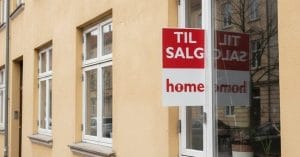
Denmark’s 2026 budget proposal earmarks nearly 1.4 billion kroner to advance the green transition, including support for heat pumps and streamlined solar energy installations on public buildings.
Over Half a Billion Kroner to Support Green Heating
As part of Denmark’s 2026 financial plan, the Danish government has allocated 555 million kroner (approx. $80 million USD) from 2027 to 2029 to support the installation of heat pumps in private homes. This comes in response to increasing challenges in rolling out district heating systems in rural and less populated areas. Heat pumps have become a vital alternative for delivering sustainable heating, especially in locations where traditional solutions are economically or technically unfeasible.
The initiative continues the existing heat pump subsidy program, which will remain active through 2026. In partnership with the Ministry of Taxation and energy industry stakeholders, the government is also assessing whether this funding can be restructured into a tax deduction format starting in 2027, making it even more accessible to homeowners.
This move represents a strong push toward meeting Denmark’s national target of a 70% reduction in greenhouse gas emissions by 2030, aligning with its broader climate strategy.
Boosting Solar Energy on Public Buildings
In a further commitment to expand renewable energy, the government plans to invest 851 million kroner (about $122 million USD) between 2026 and 2029 to accelerate onshore green energy initiatives. A key focus is removing regulatory obstacles that currently hinder municipalities and regional governments from installing solar panels on public buildings.
The existing rules have often proven cumbersome, with bureaucratic red tape slowing down otherwise viable solar projects. Changes under the new plan will simplify approval processes and remove outdated restrictions, allowing local governments to install solar panels more efficiently on schools, town halls, and other civic buildings.
This marks a significant step in making clean energy part of everyday public life, while also enabling municipalities to contribute to national energy goals.
Critical Infrastructure Reforms to Support Energy Expansion
Beyond direct subsidies for heat and solar energy, the budget sets aside 100 million kroner for 2026 and an additional 50 million kroner annually beginning in 2027 to address regulatory challenges that affect the electrical grid infrastructure. These funds are aimed at changing rules and fees related to registering electric grid stations and mortgage tax regulations that impact energy infrastructure operators, particularly those relying on mortgage-based financing.
These changes are essential for ensuring that grid operators can modernize and expand the network to support growing demand for clean electricity. Improving grid capacity is especially important as Denmark ramps up renewable energy production and transitions away from fossil fuels.
An Integrated Approach to Climate Goals
Altogether, the initiatives in the proposed 2026 budget represent a comprehensive effort to equip Danish citizens and municipalities with the tools needed to actively participate in the country’s green transition. With nearly 1.4 billion kroner in new climate-related initiatives, the plan links household-level support with structural reforms in energy infrastructure and public sector engagement.
The strategy reflects Denmark’s broader vision of climate leadership at both a domestic and international level. By enhancing access to green technologies and reducing regulatory barriers, the Danish government is not only moving closer to its 2030 emissions target, but also setting a model for other countries navigating similar energy transitions.
Looking Ahead
The financial proposals will be subject to parliamentary review before being finalized, but they signal clear political intent to maintain momentum on climate action. Discussions are expected to explore how best to implement these programs efficiently while ensuring accountability and impact.
With enhanced support for heat pumps, expanded solar energy on public buildings, and infrastructure modernization, Denmark continues to solidify its role as a frontrunner in Europe’s green energy transformation.