Denmark’s chance of hitting its 2030 climate target has plunged to under 1%, according to a new analysis by climate think tank Concito. The group is calling for an urgent “green audit” to identify which policies are failing and what new measures are needed.
I’ve watched Denmark talk a good climate game for years. Now the numbers are in, and they’re brutal. Concito’s latest assessment shows the probability of meeting the 70% emissions reduction target by 2030 has collapsed from 20% a year ago to less than 1% today.
That’s not a rounding error. That’s a policy failure in slow motion.
The Math Doesn’t Add Up
The official climate projection published by the Ministry of Climate, Energy and Utilities in May showed Denmark would overshoot the target by just 0.4 million tons of CO₂ equivalent. Sounds close, right? Wrong. That figure assumes every single policy measure will perform exactly as expected, with equal chances of overperforming or underperforming.
Concito dug into the uncertainties buried in those projections. What they found wasn’t pretty. The ministry’s own report mentions “uncertainty” 75 times. Most of those uncertainties point in one direction: fewer reductions than hoped for.

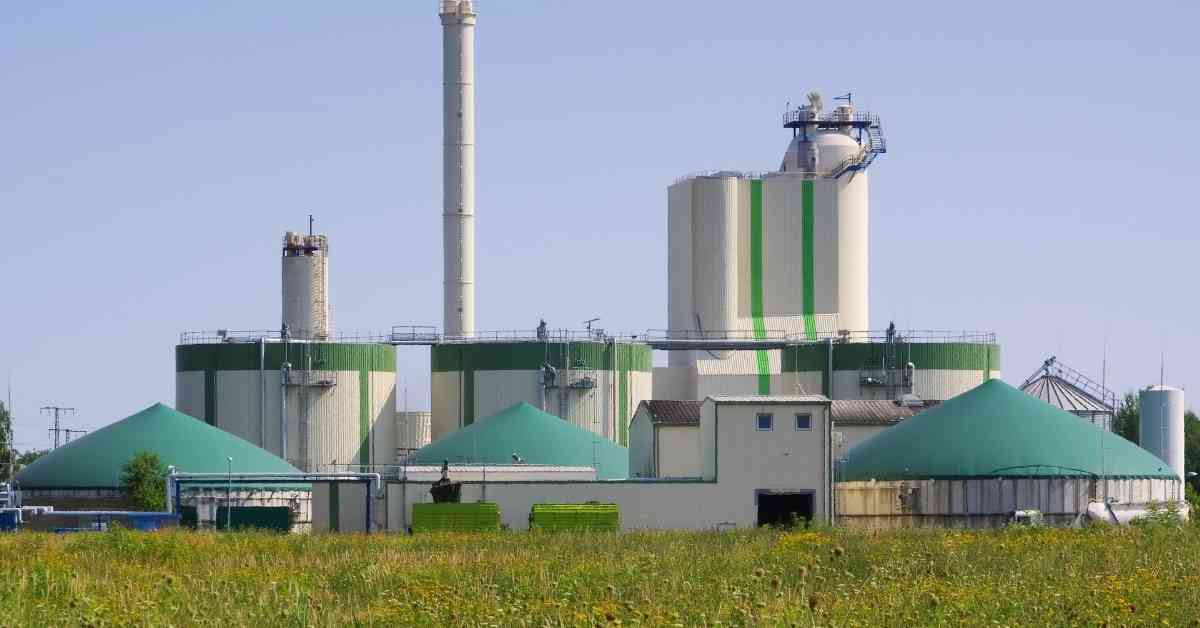
The think tank identified nine focus areas where things are likely to go wrong. Carbon capture and storage projects are facing delays. The hoped for shift away from fossil gas may not materialize if prices drop. Methane leaks from biogas plants remain stubbornly high at 2.8%, double the target rate.
Agriculture Still the Elephant in the Room
The 2021 agricultural agreement promised 7.4 million tons of cuts by 2030. It allocated 3.8 billion kroner in public funds. But implementation has been glacial. Wetland restoration is crawling. Taking agricultural land out of production is moving far too slowly, according to the Climate Council’s status reports.
The big missing piece remains a CO₂ tax on agriculture. Economists have called for it. Climate experts have called for it. The agricultural industry opposes it fiercely, citing competitiveness concerns and potential carbon leakage. Without it, other sectors have to cut deeper and at higher cost.
What a Green Audit Would Actually Do
Concito wants the new government to conduct what they call a “green audit” of all climate policies. Not a cosmetic review. A hard look at what’s actually being delivered versus what was promised.

Such an audit would stress test every major policy. What happens if CCS projects miss their 2030 deadlines? What if Power to X hydrogen projects don’t scale as fast as hoped? What if electric vehicle adoption plateaus?
The audit would also need to identify new, fast acting measures. Concito estimates Denmark needs an additional 3.3 million tons of cuts to have even a 50% chance of hitting the target. That’s not a small gap to close in four years.
The EU Adds Pressure
This isn’t just about national pride. Under EU’s Fit for 55 package and the revised Effort Sharing Regulation, Denmark faces some of the bloc’s strictest requirements for non ETS sectors. That means transport, buildings, and agriculture.

If Denmark falls short, it may have to buy compliance through EU mechanisms. That means Danish taxpayers paying other countries for emission reductions Denmark should have made itself. It’s politically toxic and economically wasteful.
Technology Optimism Meets Reality
I’ve noticed a pattern in Danish climate policy. There’s a strong faith in future technology solving problems that require uncomfortable decisions today. CCS will handle industrial emissions. Power to X will decarbonize transport. Biogas will replace fossil gas.
Maybe. But maybe not in time. The Climate Council has repeatedly warned that banking too heavily on unproven or delayed technologies is risky. Concito’s analysis confirms that risk is now materializing.

Meanwhile, simpler measures that could deliver guaranteed cuts, like higher energy efficiency standards or shifting consumption patterns, get less attention. Partly because they’re politically harder. Partly because they require changing how Danes live, not just what technology they buy.
What Happens Next
The new climate minister, Samira Nawa, inherits this mess. The government’s foundation document doesn’t specifically mention the 2030 target, which is telling. But the numbers won’t go away. Neither will Denmark’s legal obligation under the 2019 Climate Act.
An honest audit would clarify whether the 70% target is still achievable or whether Denmark needs to admit it will fall short and explain why. Either way, voters and the international community deserve transparency. The current situation, where official projections paint a rosy picture while independent analysis shows near certain failure, serves no one.
Denmark built a reputation as a climate leader. That reputation is now at stake. The question is whether the political system can handle an honest reckoning with its own optimism.
Sources and References
Concito: Fortsat stor usikkerhed om opfyldelse af 2030-klimamål – derfor har vi brug for et grønt kasseeftersyn
The Danish Dream: Shell biogas plant turns Danish village into stink hell
The Danish Dream: Denmark’s biogas boom delivers only 78% climate benefit
The Danish Dream: New EV fast chargers boost travel in Denmark