About one in five Danes received a meal kit delivery in the past year. Some see them as convenient and inspiring, while others worry Danes are forgetting how to cook from scratch.
Meal Kits on the Rise in Denmark
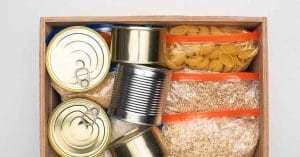
Over the last year, 21 percent of Danes have subscribed to a meal kit service, according to figures from Madkulturen. These services deliver boxes filled with ingredients and recipes directly to the doorstep, helping people prepare dinner without a trip to the store. Meal kits have found particular popularity among families with children, where 32 percent had a subscription.
Even though these kits are becoming common, they only represent about 3 percent of Danes’ evening meals. The rest still come from home-cooked dishes or quick favorites like open-faced sandwiches, pizza, or simple hot meals often found in traditional Danish food culture.

Different Views on the Meal Kit Trend
Critics argue that relying on meal kits weakens people’s ability to cook independently. Food columnist Niels Lillelund has reviewed several of these kits and found them underwhelming. He believes meal kits can reduce creativity in the kitchen and give the sense of assembling parts rather than making food from the ground up. To him, it is particularly concerning that many people no longer know how to handle basic ingredients like a whole chicken or fresh vegetables.
Meanwhile, researchers take a more balanced view. Sisse Fagt, a senior advisor at the National Food Institute at DTU, sees meal kits as a tool that makes life easier for many households. She also uses them occasionally herself, especially on busy weeks when she wants to skip grocery shopping. Though she admits that meal kits can replace some of the creativity of cooking, she also finds them inspiring when they introduce new flavors, ingredients, or cooking methods she might not have tried otherwise.
A Changing Approach to Cooking
Fagt’s research shows that Danish cooking habits have definitely shifted. Fewer people cut up chickens or pickle vegetables at home. Many store-bought shortcuts have taken over some of the traditional kitchen skills that earlier generations considered essential. Still, she believes this does not necessarily mean people are becoming “food illiterate.” Instead, she argues that modern lifestyles and time constraints simply change how we approach food preparation.
Interestingly, some traditional Danish dishes are still strong in everyday life. Rugbrød with toppings, pizza, and simple sandwiches continue to dominate dinner tables across the country. For many, that balance between convenience and tradition defines modern Danish eating habits.

Convenience Versus Connection to Food
Part of the debate stems from a deeper question about how people relate to their food. On one hand, meal kits save time and reduce food waste by providing exact ingredient portions. On the other hand, some fear they weaken the cultural bond people have with cooking and with the kinds of food that have long formed part of Danish identity.
Meal kits first gained traction among urban professionals but have since spread across demographics. Some boxes even include pre-cooked components that only need heating, while others come with chopped ingredients and detailed recipes. Though opinions vary, the industry’s convenience and time-saving design make it attractive for many Danish households juggling work, family, and busy routines.
Everyday Danish Food Habits
Even with the popularity of these subscription boxes, Danes still value simplicity. As a result, many reserve meal kits for a few dinners a week and cook more freely on other days. The overall trend reflects how Danes blend practicality and tradition, combining easy dinners with home-prepared meals that recall a classic Danish food approach.
In the end, it seems unlikely that Danes will stop cooking entirely. Instead, meal kits have simply become another option on the long menu of modern food solutions in Denmark. Whether they limit cooking skills or foster new curiosity depends mostly on how each household chooses to use them.

Sources and References
The Danish Dream: Danish Food Overview
The Danish Dream: Best Grocery Stores in Denmark for Foreigners
DR: Hver femte har det seneste år fået en måltidskasse ind ad døren – vi har aflært os selv at lave mad