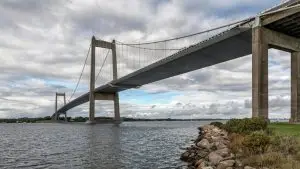
A new analysis by Tænketanken Hav reveals alarming levels of hazardous substances in Denmark’s waters, underscoring serious ecological and health risks.
Severe Chemical Pollution in Denmark’s Marine Environment
A recent report by Tænketanken Hav has raised red flags about the state of the marine environment in Denmark, revealing that hazardous substances, including metals and industrial chemicals, are present in concentrations far exceeding safe limits. The analysis points to the destructive effects of decades of pollution, with significant implications for marine life and potentially for human health as well.
The analysis shows that a staggering 98% of Danish water bodies are classified as being in “less than good” chemical condition, meaning that they exceed regulatory limits for at least one harmful substance. In fact, in half of these areas, limits are exceeded for six or more of the measured hazardous substances.
For instance, the non-biodegradable metal arsenic was found to surpass safe levels in all 106 areas tested, with one location reporting levels as high as 337 times the acceptable limit. Other toxic substances, such as cadmium and mercury, have similarly alarming concentrations. Henriette Selck, a senior consultant at Tænketanken Hav, emphasizes that chemical pollution poses one of the largest and most overlooked threats to Denmark’s marine environment.
Only the Tip of the Iceberg
The findings of Tænketanken Hav represent just a fraction of the chemical pollution affecting Denmark’s marine ecosystems. Researchers estimate that hundreds of thousands of different hazardous substances are used in various sectors, many of which find their way into the sea. This indicates a significant gap in our understanding of the true extent of pollution in Danish waters.
Henriette Selck insists that there must be a fundamental shift in how Denmark manages hazardous substances to restore healthy marine environments. “Achieving good conditions in our marine environment cannot happen without targeted measures against chemical pollution. As a society, we must step up and actively reduce emissions and the presence of harmful chemicals in our marine ecosystems if we are to meet our own and the EU’s environmental goals,” she asserts.
Denmark is mandated by the EU Water Framework Directive to achieve good chemical and ecological status in all water bodies by 2027. However, with such significant pollution already recorded, achieving these goals appears daunting.
The current analysis is based on data from environmental authorities conducting assessments as part of the review of water management plans for 2021-2027. This includes evaluations of up to 31 hazardous substances that factor into determining the chemical and ecological status of Denmark’s 123 water bodies.