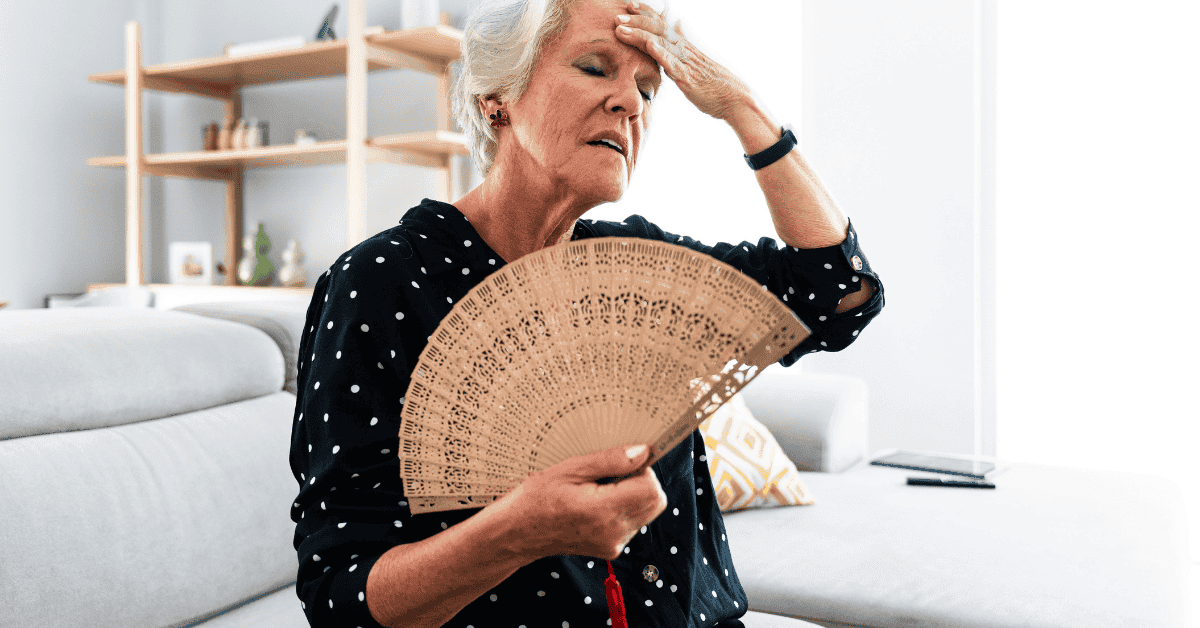
Nearly all Danish women experience symptoms during menopause, according to a new large-scale national study. Researchers were surprised by the extent and severity of the symptoms, which have long been underreported in public health research.
Massive Survey Uncovers Surprising Scope of Menopause Symptoms
A new study from the University of Copenhagen reveals that a staggering 97% of Danish women between the ages of 45 and 59 experience symptoms during menopause, ranging from mild to severe. The study, which is the largest of its kind in Denmark, surveyed 153,800 women out of nearly 576,000 invited through the national digital mailbox system.
Researchers had previously believed that only about one-third of menopausal women faced significant symptoms. The findings now show that only 3% of women reported no symptoms at all. This shift in understanding marks a major development in women’s health and challenges long-standing assumptions about how menopause affects daily life.

Common Symptoms Impact Daily Life and Work of Danish Women
The most frequently reported symptoms include sleep disturbances, hot flashes, physical and mental fatigue, joint and muscle pain, and sexual health issues. For many women, these symptoms impact their ability to function at work and in their personal lives. Some women even reported taking sick leave due to the intensity of their symptoms, with one stating she struggled to remember her own children’s names during a period of severe fatigue.
A significant portion of affected women mentioned they had to expend additional effort hiding their symptoms at the workplace and spend their free time recovering from the physical and emotional toll, further illustrating how menopause extends beyond the realm of healthcare into economic and social dimensions.

Symptoms Start Earlier Than Previously Thought
One of the most eye-opening aspects of the study concerns the timing of symptom onset. According to the findings, 41% of 45-year-old women report being in the perimenopausal phase, the period leading up to the final menstrual cycle. Many participants reported experiencing symptoms during this time, challenging the dominant public perception that symptoms only begin after the last period.
This revelation means that many women could be experiencing unexplained symptoms without linking them to menopause, especially if they are still menstruating. As a result, some women delay seeking medical advice or worry that their symptoms signal more serious conditions.
Healthcare System Fails to Meet the Needs of Danish Women
The study also highlights a troubling disconnect between women and their general practitioners. Many participants said they felt dismissed or misunderstood during consultations related to menopause. This has led some to lose trust in their doctors, especially when symptoms were minimized or attributed to other factors without proper examination or support.
Researchers emphasized the need for medical professionals to be more informed and better trained to address menopause sensitively and effectively. Listening to patients and validating their experiences are crucial in restoring trust and improving care.

Menopause Is Not a Disease, But It Is a Major Health Concern
While menopause is a natural biological process and not classified as a disease, the study underscores that it can significantly affect women’s health and wellbeing. Women’s health experts are calling for broader public awareness and institutional acknowledgement of menopause as a critical health issue.
Healthcare providers and workplaces should implement better support structures, including access to hormone therapy, mental health resources, and flexible work accommodations. The researchers behind the study stress that there is no one-size-fits-all solution due to the highly individual nature of menopause experiences.
Calls for Cultural Shift in Addressing Women’s Health
The researchers argue that Denmark, like many countries, has historically underprioritized women’s health issues. The new data clearly illustrate the urgent need for more robust research, policy making, and public dialogue surrounding menopause. Society must treat menopause with the same seriousness as any other major health transition.
Ultimately, the study’s authors advocate for an empathetic, informed, and open approach when discussing menopause, both in healthcare settings and in the wider community. They highlight that simply talking about it – and listening – is one of the most powerful first steps in changing how menopause is understood and managed in Denmark.