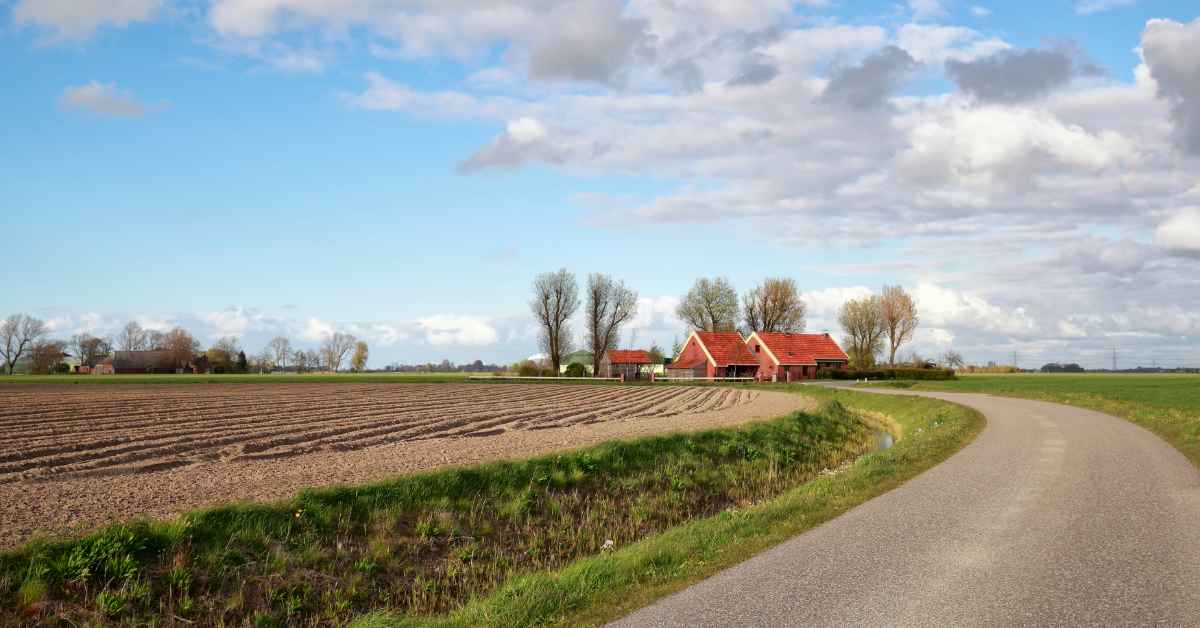
A wealthy Danish entrepreneur has bought up to 15 properties in the dying village of Linde in western Jutland, urging other affluent Danes to save their local communities as rural depopulation threatens hundreds of small towns across the country.
One Man’s Mission to Keep the Lights On
Jørgen Søvndal stands in the rain wearing shorts and a backwards cap, surveying the village of Linde with the determination of someone who refuses to watch his hometown fade away. The multimillionaire entrepreneur has spent a significant portion of his fortune buying properties in this small community northwest of Holstebro, where around 400 people live.
A Village on the Brink
When Søvndal returned to Denmark from the United States in 1993, Linde was a thriving rural community. Lights shone from farmhouses across the countryside. But over the following decades, that changed dramatically. Houses stood empty. Businesses closed. The village faced the same fate as countless other rural towns across Denmark.
Søvndal decided to act. He has purchased between 10 and 15 properties in Linde, including the old dairy, the bank building, and an auto repair shop. His reasoning is both practical and emotional. There should be lights in the windows, he insists.
The Gas Station That Became a Symbol
The village gas station represents the heart of Søvndal’s philosophy. When it faced closure due to declining customers, he bought it. His logic was simple but compelling. Where would the elderly residents buy their morning bread and newspaper? If the gas station closed, property values would only fall further.
Now the station serves as a community hub where residents can buy a beer, get an ice cream, or pick up liver pâté. These small conveniences matter deeply in isolated communities. Meanwhile, Søvndal rents out his properties, creating both income and occupancy in buildings that would otherwise sit vacant.
A National Crisis in Rural Denmark
Linde’s struggle reflects a much larger pattern across Denmark. The issue has become a major talking point in the current election campaign, with politicians across the spectrum acknowledging the severity of rural depopulation.
The Scale of the Problem
A professor recently projected significant depopulation in rural districts over the coming century. Mid and West Jutland face particularly acute challenges. Young people leave for education and jobs in larger cities. Businesses close when customer bases shrink. Schools consolidate or shut down entirely.
The result is a vicious cycle. As services disappear, more people leave. As more people leave, fewer services can survive. Entire communities face extinction within a generation or two.
When Markets Fail Communities
Søvndal made his fortune through Sicatech, a company he founded with his wife that manufactures tampons for surface printing. The business grew strong as Linde grew weak. He sold the company in 2024, and some of those proceeds now fund his property purchases.
His approach combines profit motive with community preservation. He earns rental income while preventing buildings from deteriorating into worthlessness. This dual purpose distinguishes his strategy from pure charity or pure business.
A Call for Other Wealthy Danes
Søvndal has received numerous calls from people in other struggling communities. They want advice. They want help. They want to know how to save their own villages from disappearing.
The Need for Local Champions
Søvndal expresses hope that passionate individuals exist in other small communities who can lead similar efforts. He cannot save every dying village in Denmark. But he believes others with resources and commitment might follow his example.
The question is whether enough such people exist, and whether individual wealth can truly counter the massive economic forces driving rural decline. Market dynamics, demographic shifts, and structural economic changes operate at scales that dwarf even substantial personal fortunes.
Beyond Government Solutions
The Danish government has announced plans to address rural depopulation, including a three-party agreement allocating billions of kroner for land use changes. However, these programs rely heavily on voluntary participation and move slowly through bureaucratic processes.
Private actors like Søvndal can move faster. They face fewer regulatory constraints. They can make decisions based on local knowledge rather than national policy frameworks. Yet their efforts remain limited in scope compared to the scale of the crisis.
The Economics of Saving Small Towns
Søvndal’s strategy works partly because property prices in dying villages have collapsed. Buildings that once held significant value now sell for modest sums or cannot find buyers at all.
Investment or Expense
For Søvndal, these purchases represent both financial investments and community investments. The rental income provides returns, though likely modest compared to other investment opportunities available to someone of his wealth. The real return comes in preserving the character and viability of his home community.
This calculus works differently for different buyers. Wealthy individuals with emotional ties to specific places might follow Søvndal’s example. But purely financial investors will look elsewhere for better returns.
The Limits of Individual Action
Even with substantial resources, Søvndal cannot solve all of Linde’s challenges. He can keep buildings occupied and maintain some services. But he cannot create the jobs that would attract young families. He cannot rebuild the agricultural economy that once sustained the region. He cannot reverse the fundamental shifts that favor urban concentration.
His efforts buy time. They prevent the worst outcomes. They maintain hope. Whether that proves sufficient depends on larger economic and policy changes beyond any individual’s control.
A Personal Take
I find Søvndal’s efforts both admirable and troubling. On one hand, he is stepping up where markets and government have failed, using private resources to preserve community infrastructure and prevent total collapse. His success in maintaining the gas station shows how strategic interventions can preserve essential services.
The Bigger Questions
On the other hand, relying on wealthy benefactors to save communities points to deeper failures in Danish rural policy. Should the survival of hundreds of villages depend on whether they happen to have a local millionaire willing to spend his fortune? The voluntary nature of current government programs, combined with speculation by landowners waiting for higher prices, creates a vacuum that private wealth fills by default. I worry this approach is neither scalable nor sustainable, even as I respect the individual commitment it represents.
Sources and References
The Danish Dream: Denmark’s Rural Towns Are Slowly Dying Out
The Danish Dream: Denmark’s Villages Are Quietly Disappearing Fast
The Danish Dream: Denmark’s Rural Homes Can’t Find Buyers
The Danish Dream: Buying Property in Denmark for Foreigners
TV2: Rigmand køber op i lille landsby – kommer med opfordring til andre
Børsen: Milliardær køber kæmpe grund i Nordsjælland og blæser til kamp mod landbruget
Ugebrev: Jysk rigmand køber op i lille landsby
TV2: Various news reports