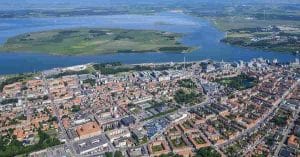
Denmark is pouring hundreds of millions of kroner into turning Bornholm into a frontline military hub, with a new infantry battalion and major construction that will reshape daily life on the island for residents, expats and tourists alike.
The Danish Armed Forces confirmed this week it will invest a three-digit million kroner sum on Bornholm, the concrete follow-through to plans announced in January. The money will upgrade Almegårds Kaserne near Rønne and build facilities for a full infantry battalion and re-established Bornholm Regiment. For an island better known for smoked herring and ceramics, this is a dramatic shift. Bornholm is becoming Denmark’s answer to Sweden’s remilitarised Gotland, two strategic islands now anchoring NATO’s eastern flank in the Baltic.
I have watched Denmark quietly harden its posture since Russia’s full-scale invasion of Ukraine in 2022. Suspected sabotage of undersea cables and pipelines in the Baltic, combined with Russian military activity near Danish waters, pushed Copenhagen to act. The 2024 to 2033 defence agreement committed Denmark to NATO’s 2 percent GDP spending target and specifically named Bornholm as a priority. The January army plan added over 5,000 new posts nationwide, placing one of the new battalions on this small island wedged between Sweden, Poland and the Russian exclave of Kaliningrad.
What the money means on the ground
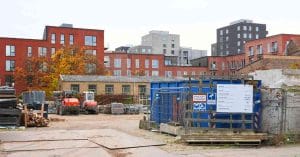
A three-digit million kroner investment translates to at least 100 million and likely several hundred million kroner in buildings, barracks, training grounds and support infrastructure. Almegårds Kaserne, currently a modest facility on Rønne’s outskirts, will expand to house hundreds of additional soldiers and civilian staff. The Armed Forces plan to have the new units operational before 2033, so expect years of construction, heavy vehicles and restricted zones. For expats and foreign workers on Bornholm, that means navigating a more militarised landscape alongside the island’s family-friendly attractions and natural beauty.
The practical impacts will be mixed. More troops bring stable year-round jobs, contracts for builders and service providers, and increased demand for everything from catering to IT support. Business owners who speak English and hold EU or permanent residency can monitor Danish Defence Acquisition tenders for opportunities. But housing in Rønne and nearby towns will face new pressure as soldiers and families relocate. Expats considering a move to Bornholm should talk to local estate agents now and prepare for tighter availability and rising prices.
The expat angle: opportunity or disruption
Bornholm has long attracted lifestyle migrants drawn by slow living, artisan culture and landscapes that feel worlds away from Copenhagen. The island hosts seasonal tourism workers, EU retirees and creative professionals who value peace and access to sites like Brændesgårdshaven. A garrison of several hundred soldiers changes that equation. Training exercises, noise, road closures and restricted coastal zones will become routine. Some expats will leave. Others, especially those in security, logistics or construction, may see Bornholm as newly relevant and move in.
Parents should watch municipal school capacity and Danish as a second language support as new families arrive. Jobseekers need to verify that residence permits allow defence-related employment, since some roles require Danish citizenship or security clearance. Keeping track of Bornholm Municipality planning hearings and Defence Ministry updates will help residents anticipate changes to land use, traffic rules and major exercises. The island’s historical sites, such as the Lilleborg ruins, will remain, but the context around them is shifting.
A frontline island in a Baltic standoff
Danish officials frame the build-up as essential deterrence. The Defence Ministry states that units must be positioned to defend Denmark and ensure continuous military presence across the country. Bornholm’s geography, sitting astride key sea lanes and undersea infrastructure, makes it a natural choice. Sweden’s recent reinforcement of Gotland provides a Nordic template. Together, the two islands form what analysts call unsinkable aircraft carriers controlling Baltic access, especially now that Sweden and Finland have joined NATO.
Critics on Bornholm worry about environmental impacts, the risk of making the island a more obvious target, and whether the Armed Forces can actually recruit thousands of new staff in a tight labour market. Some question whether fixed garrisons are the smartest use of resources versus mobile capabilities. But the direction is set. Denmark is tying its easternmost community into the geopolitics of the Baltic, and residents, Danish and foreign alike, will live with the consequences for decades.