
What Do People from Denmark Look Like in 2025?
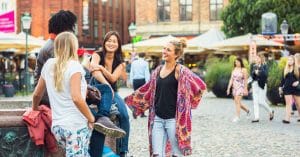
What do people from Denmark look like? Let’s start with the most popular stereotype: blond hair, pale skin, and light blue eyes.


What do people from Denmark look like? Let’s start with the most popular stereotype: blond hair, pale skin, and light blue eyes.
Denmark is consistently ranked among the safest countries globally due to its low crime rates, effective governance, and comprehensive healthcare system. The nation’s stability, low corruption, and emphasis on community well-being create an environment of security that enhances quality of life, making it an appealing destination for expatriates and families seeking safety and happiness.

A Danish woman discovered AI-generated images of herself online, calling it “disgusting and strange.” The case highlights Europe’s struggle to enforce digital consent laws as synthetic media technology outpaces regulation and accountability.

A 65-year-old Danish pensioner retrieves 90% of her family’s meals from supermarket bins, exposing Denmark’s shocking food waste crisis—double the EU average at 261kg per person annually.

Denmark’s national digital ID system MitID crashed Tuesday, blocking access to tax portals, healthcare, and banks. The second failure in ten days exposes critical infrastructure vulnerabilities affecting millions.

Vestas cuts 440 jobs at its Munkebo facility due to improved nacelle production efficiency, blindsiding workers, unions, and local leaders in a harbor area already struggling with industrial decline.

**After 40 years in the trade, Copenhagen konditor Allan Colding-Andersen won his first national championship with a stunning sugar sculpture, intricate glace cake, and three-tier wedding masterpiece.**

A Danish millionaire has bought up to 15 properties in dying village Linde, keeping vital services alive and urging other wealthy Danes to save their struggling rural communities from extinction.

Daily testing of six major AI models during Denmark’s 2026 election reveals consistent bias toward center-left parties, particularly the Social Liberals and Alternative, raising concerns about tools voters increasingly use for political information.

Personal training in Denmark costs 600–1,500 kr. per session in 2026. What affects the price, what each type includes, and how to get real value for your money.
