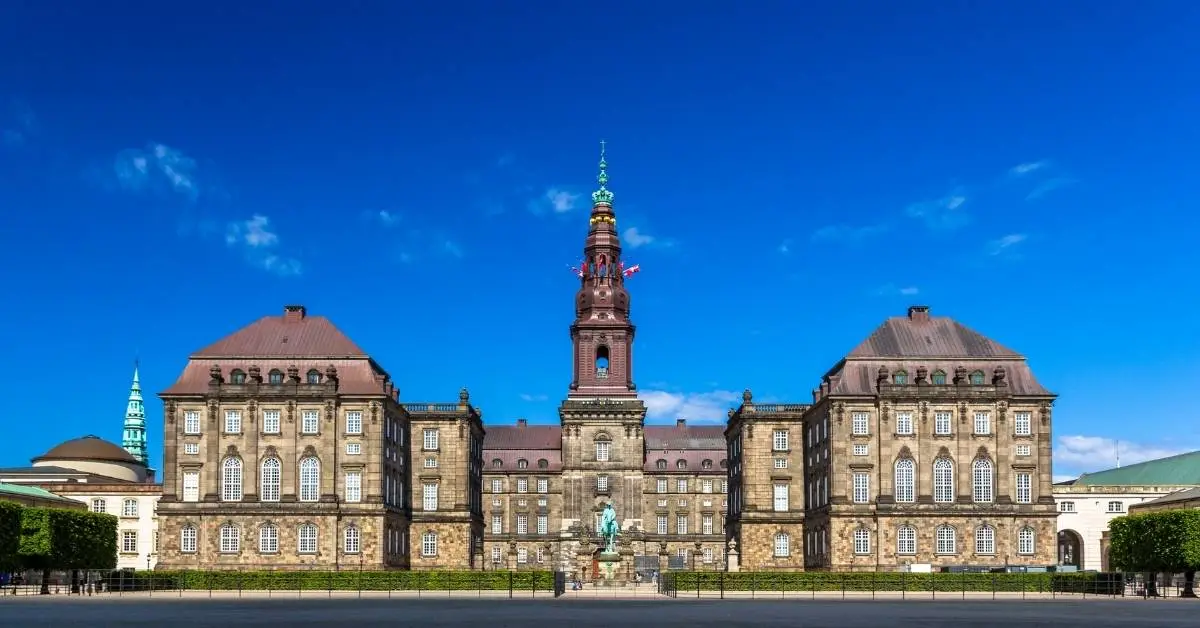
Lars Løkke Rasmussen once ruled out any government built on support from Enhedslisten. Now he’s calling their leader Pelle Dragsted “a nice guy.” It’s a shift that could reshape Denmark’s political deadlock, and it tells you everything about how power actually works at Christiansborg.
Denmark has been stuck in coalition limbo since the March 2026 election delivered a fragmented Folketing where no bloc can govern alone. As TV2 reports, Løkke’s Moderaterne emerged as the kingmakers. His party holds the mandates that make forming a government nearly impossible without him. He said he wouldn’t chase the prime minister’s office himself. But he’s very much in the driver’s seat.
I’ve watched Danish politics long enough to know this dance. Løkke is a veteran at playing the center against both sides. He did it before. He’s doing it again now, and this time his compliment of Dragsted sounds less like personal warmth and more like a negotiating tactic going public.
From Protest Party to Power Player
Pelle Dragsted has spent years trying to make Enhedslisten look less like a fringe protest movement and more like a party ready to govern. He’s an interesting character. Former autonomist activist turned political leader, he’s moderated the party’s image on defense and NATO without abandoning its anti-capitalist foundation. That’s a hard line to walk. Some in his own ranks worry Enhedslisten is losing its soul.
But it’s working. The party picked up momentum heading into the election, capitalizing on voter fatigue with centrist compromises. Dragsted talks about democratic socialism and remaining “broadly popular” while keeping revolutionary language in the party program. It’s a paradox that somehow resonates with parts of the electorate tired of the same old faces making the same old deals at Christiansborg.
Løkke’s new tone suggests he sees Dragsted differently now. Whether that’s genuine respect or calculated positioning hardly matters. What matters is it opens a door that was supposedly locked.
Venstre’s Collapse and the New Right
The election campaign delivered Venstre its worst result in history. That collapse created space on the right that Alex Vanopslagh’s Liberal Alliance was eager to fill. Vanopslagh positioned himself as a potential prime minister, pushing hard line policies on asylum, promoting nuclear weapons, even floating cocaine legalization. It’s a provocative package.
The result is a Folketing where the old power structures have cracked. Moderaterne sits in the middle with leverage. Enhedslisten gains ground on the left. Liberal Alliance surges on the right. Nobody has a majority. Everyone needs Løkke.
I’ve lived here long enough to recognize when pragmatism overrides ideology. Danish politics runs on consensus, but consensus requires someone to broker the deals. Right now that’s Løkke, and he knows it.
The Expat Angle
For those of us who’ve made Denmark home without being born here, this matters more than it might seem from the outside. Government formation determines who controls ministries that shape integration policy, work permits, immigration rules, and the broader tone around who belongs in Danish society. A government involving Enhedslisten would likely emphasize welfare expansion and softer integration approaches. One built around Liberal Alliance would push the opposite direction hard.
The uncertainty drags on. Negotiations that began in early March are still unresolved as April closes. No coalition has been announced. Meanwhile, policies on economy, defense, and social services wait in limbo.
What Løkke Actually Wants
Steffen Hjaltelin, a former advisor to Løkke, has been analyzing the situation in recent weeks. His assessment is blunt. Løkke’s plan worked. He made himself indispensable. Now the question is what he’ll demand in exchange for his support. Which ministries? Which policies? What concessions on defense or economy?
Løkke calling Dragsted “a nice guy” doesn’t mean Enhedslisten gets everything it wants. It means Løkke is willing to talk. That’s different. He’ll extract a price. He always does. The real negotiation happens behind closed doors, and what we see publicly are the signals meant to shape expectations.
I don’t expect quick resolution. Denmark ran for weeks after the 2022 election before Frederiksen formed her coalition. This time feels messier. More fragmented. More personal.
But Løkke praising Dragsted tells you where the wind might be blowing. It’s not the government anyone predicted six months ago. Then again, that’s Danish politics. Consensus doesn’t mean predictable. It just means everyone gets pulled toward the center eventually, whether they like it or not.
Sources and References
TV2: Løkke afviste en regering der bygger på Enhedslisten – nu er Pelle Dragsted en flink mand
The Danish Dream: Denmark’s election campaign begins to heat up
The Danish Dream: Women rise old powers fall in Danish elections
The Danish Dream: Christiansborg the heart of Danish monarchy and democracy