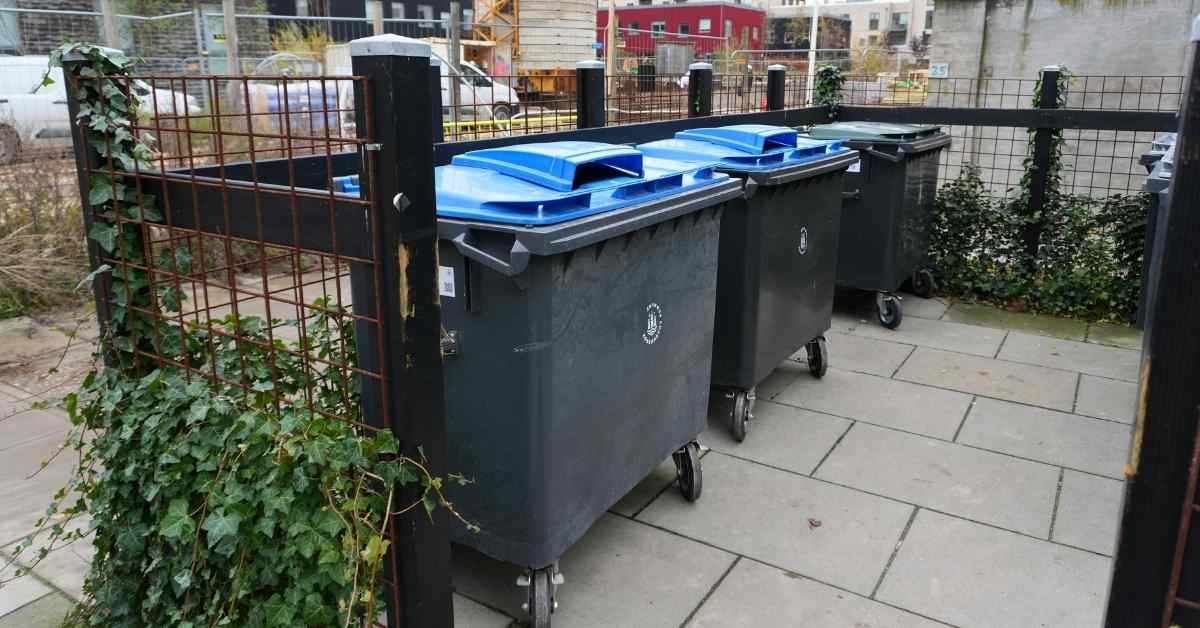
Denmark’s push for better waste sorting is colliding with a stubborn reality: the bins themselves might be the most expensive part of the solution. As municipalities invest millions in new containers with sensors and locking mechanisms, experts and politicians are questioning whether we’re throwing good money into what amounts to the country’s most costly trash cans.
I’ve watched Denmark wrestle with waste policy for years now, and this latest development feels distinctly Danish in its mix of ambition and practical frustration. As reported by TV2, the humble waste bin has become the most expensive option in Denmark’s waste management arsenal, a fact that should make anyone paying kommuneskat sit up and pay attention.
The numbers tell an uncomfortable story. Municipalities are rolling out larger, sensor equipped bins designed to optimize collection routes and push Denmark closer to its ambitious kildesortering targets. These aren’t your basic plastic containers. They’re IoT enabled monitoring systems on wheels, part of Denmark’s broader commitment to meet EU recycling mandates and reduce landfill dependence.
When Technology Meets Wind
The theory sounds brilliant until you factor in Danish weather. Aarhus municipality is now distributing free locking clips to households after widespread complaints about new bin lids flying open in strong winds. I’ve seen these bins around the city, their contents scattered across sidewalks after a typical spring storm. It’s the kind of design flaw that makes you wonder whether anyone actually tested these things outdoors before ordering thousands of them.
This isn’t just an aesthetic problem. When bins fail this spectacularly, they undermine the entire waste sorting system Denmark has spent years building. Residents give up on careful separation when their efforts end up decorating the street. The free clips are a band aid solution to a procurement mistake that likely cost millions.
The Political Bin Wars
Meanwhile, in Folketing, politicians are debating whether to eliminate restaffald bins entirely. According to parliamentary discussions from the current session, some lawmakers argue that keeping residual waste bins actively undermines recycling rates. Their solution is simple and brutal: remove the bins, force total kildesortering, problem solved.
Critics call this fantasy policy. Not all household waste fits neatly into recycling categories, and the volume of non recyclable materials remains stubbornly real. The debate reflects Denmark’s broader tension between environmental idealism and the messy reality of 670 plus households trying to manage daily waste without a PhD in materials science.
Smart Bins, Questionable Math
Some municipalities are betting on technology over bin multiplication. Rudersdal Kommune ran a pilot program with engineering firm Sweco, installing sensors to track which bins actually needed emptying. The results showed potential to reduce bin numbers by up to 10 percent, particularly along nature paths and remote areas where collection trucks often make wasted trips.
That’s legitimately clever. Dynamic collection routes cut emissions and costs, exactly the kind of efficiency Denmark loves. But here’s the catch: those sensors cost money upfront, require maintenance, and add another layer of complexity to a system that already confuses plenty of expats and native Danes alike.
I’ve lived here long enough to appreciate Denmark’s commitment to doing things properly, even when properly means expensively. But watching municipalities pour resources into increasingly elaborate bin systems while debating whether bins should exist at all suggests we’ve lost the plot somewhere.
The Real Cost Question
The TV2 framing about bins being the most expensive solution deserves scrutiny beyond municipal budgets. For households, especially expats navigating Denmark’s already complex waste rules, each new bin type means more space sacrificed in small Danish homes, more rules to memorize, more opportunities to sort incorrectly and face social judgment from neighbors.
The waste management system works when people understand and use it. Adding costs and complexity might satisfy policy goals on paper while actually reducing compliance on the ground. That’s expensive in ways municipal accounting never captures.
Denmark’s waste ambitions aren’t wrong. The EU recycling targets matter. Climate goals demand better resource management. But somewhere between those worthy aims and actually collecting garbage, we’ve created a system where the container costs more than sensible alternatives, and the fixes involve handing out clips to stop lids from blowing away. That’s not efficiency. That’s expensive theater.
Sources and References
The Danish Dream: Top 20 Things About Living in Denmark
The Danish Dream: Article
TV2: Skraldespanden er den dyreste løsning