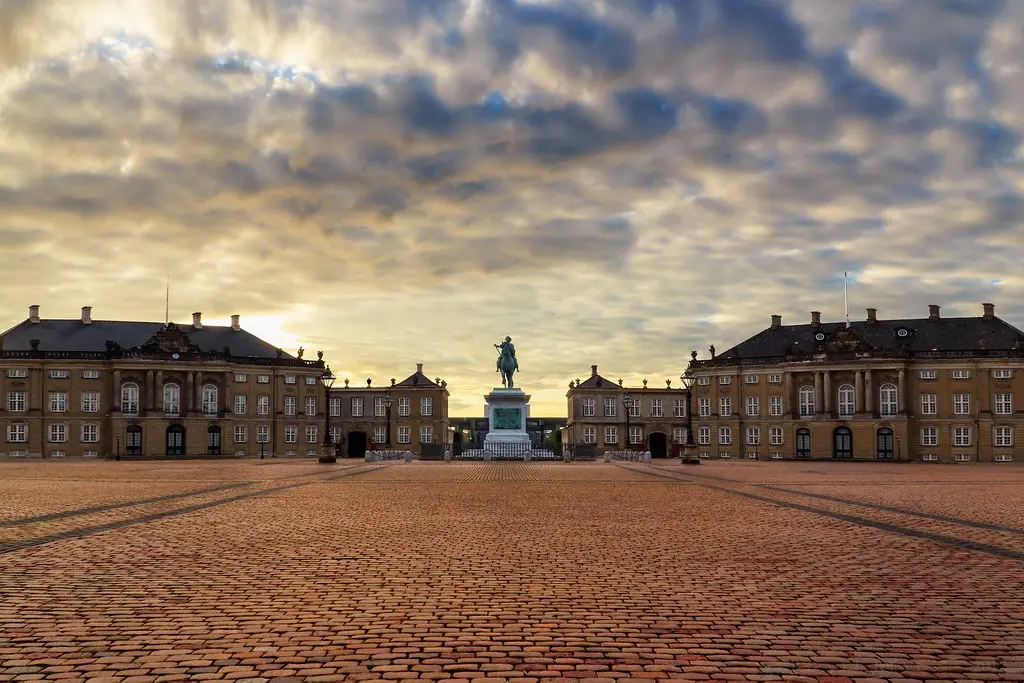
Denmark’s King Frederik held government formation talks with 12 parties at Amalienborg this week, but Moderates leader Lars Løkke Rasmussen broke protocol by phoning in instead of showing up in person.
The royal consultations are normally a ceremonial formality. Party leaders arrive at Amalienborg Palace, have brief audiences with the King, and offer their views on who should form the next government. It’s traditional, polite, and physically present. Løkke skipped the palace visit entirely.
According to DR, the Moderates leader conducted his consultation by telephone instead. No official explanation was given for the remote approach. It’s unclear whether this was due to scheduling conflicts, illness, or a deliberate political choice. Either way, it stands out.
A fragmented parliament
The fact that 12 parties participated underscores just how fractured Danish politics has become. This isn’t a two party system. It’s not even a five party system anymore. The Folketing now houses everyone from the Social Democrats and Venstre to smaller players like the Alternative and the New Right. Coalition building requires patience, compromise, and a lot of meetings.
I’ve watched this process unfold multiple times since moving here. It never gets faster. If anything, it’s gotten more complex as new parties emerge and old alliances crumble. The consultations at Amalienborg are the opening act, not the finale.
What the King actually does
Denmark’s constitutional monarchy means the King has a formal role but no real power. He doesn’t choose the prime minister. He doesn’t set policy. He listens, consults, and then appoints whoever can command a majority in parliament. It’s a script everyone knows by heart.
But the ritual matters. It signals continuity and legitimacy. It roots Denmark’s modern democracy in centuries of monarchical tradition. Whether you find that charming or outdated depends on your perspective. As an expat, I’ve come to see it as distinctly Danish: pragmatic ceremony with no illusions about who actually runs the country.
The consultations take place at Christiansborg when parliament is in session, but Amalienborg serves as the royal backdrop during government formation. It’s theater, but theater with constitutional weight.
Løkke’s phone call raises questions
Løkke’s decision to phone in rather than show up is worth scrutiny. The Moderates hold a pivotal position in Danish politics right now. They’re neither left nor right, which gives them kingmaker potential. A phone consultation could signal indifference, or it could be entirely innocent. We don’t know yet.
What we do know is that government formation in Denmark can drag on for weeks. Party leaders posture, negotiate, and test coalitions. The King’s consultations are just step one. After that comes the real work: hammering out policy agreements at Christiansborg.
For expats trying to understand Danish democracy, this is a useful reminder. The system moves slowly by design. Consensus matters more than speed. And even when a party leader skips the palace visit, the process grinds forward regardless.
What happens next
The King will now appoint a formateur, someone tasked with building a coalition. That person, usually the leader of the largest party or a compromise candidate, will start formal negotiations. Expect late nights, leaked memos, and plenty of political drama. Denmark’s political landscape doesn’t make this easy.
From an expat perspective, the takeaway is simple. Danish democracy is messy, deliberate, and deeply procedural. It frustrates anyone hoping for quick answers. But it also means that when a government finally forms, it tends to last. That stability is worth the wait.
Sources and References
DR: 12 partier var forbi kongen undtaget Lars Boje der tog den over telefonen her er hvad de sagde
The Danish Dream: Amalienborg Palace Explore Denmarks Regal Gem
The Danish Dream: Christiansborg the Heart of Danish Monarchy and Democracy
The Danish Dream: Denmarks Local Elections Could Reshape National Politics