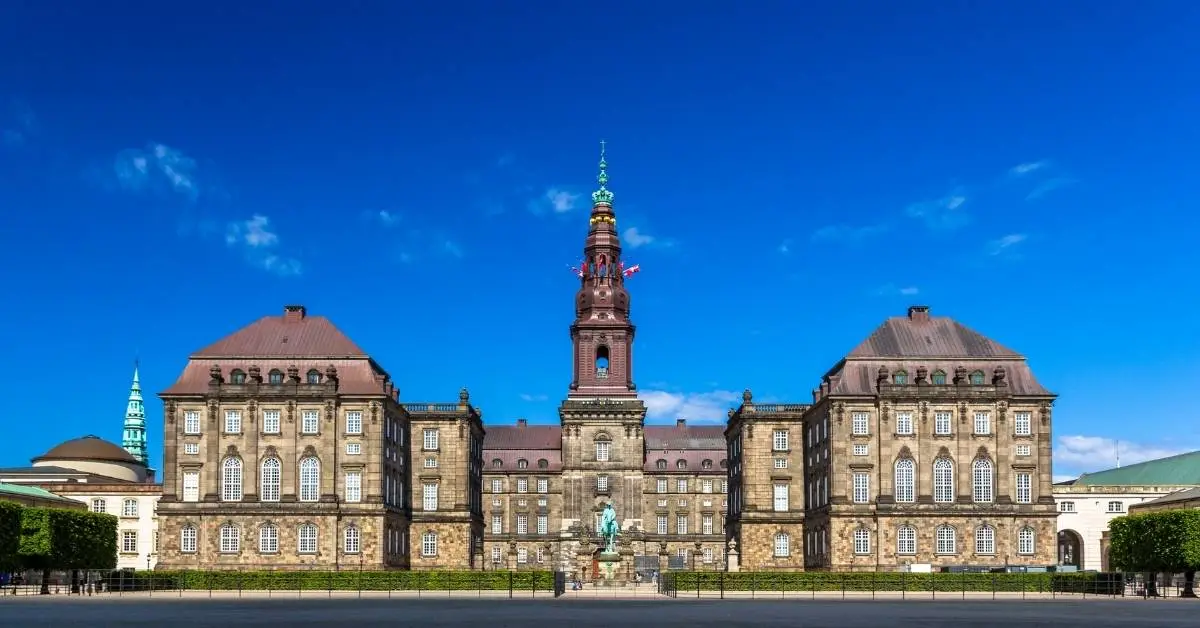
King Frederik X is set to appoint a royal investigator to lead government formation talks following two rounds of party consultations at Amalienborg this week, with Mette Frederiksen backed by 84 of 179 parliamentary seats emerging as the clear frontrunner.
The Friday evening consultations wrapped up just before 9 p.m., concluding a carefully choreographed process that began Wednesday afternoon. Twelve parties filed through the palace doors in order of size, delivering their recommendations in sealed envelopes. The largest party goes first. The smallest goes last. That is how it works here.
I have watched this ritual play out after every election since I moved to Denmark. It never loses its peculiar formality. The monarchy is mostly symbolic, but at moments like this, Frederik X becomes the hinge between election results and actual governance. He does not decide who governs. But he does decide who gets the first crack at trying.
The Red Bloc Coalesces
As reported by DR, four parties have united behind Frederiksen. Socialdemokratiet, Socialistisk Folkeparti, Radikale Venstre, and Enhedslisten together hold 84 seats. That is not a majority, but it is a bloc with momentum and internal agreement.
The consultations followed strict protocol. Socialdemokratiet arrived at 7 p.m. Wednesday, then again Friday evening. Borgernes Parti, the smallest, came last both times at 2:50 p.m. Wednesday and 8:50 p.m. Friday. Each party had ten minutes to make its case.
Demands and Divisions
Public records obtained through aktindsigt reveal stark differences in what parties submitted. The four backing Frederiksen want her leading negotiations. Det Konservative Folkeparti nominated Troels Lund Poulsen from Venstre instead. Borgernes Parti submitted no name at all.
These letters included policy demands, though full details remain partially sealed. Left parties are pushing welfare protections. Right parties want tax cuts and tighter immigration controls. These demands are not binding, but they signal red lines for coalition talks.
This matters because Denmark rarely produces majority governments anymore. The last election left parliament fragmented across twelve parties. Any government will need outside support to pass budgets and legislation. That means compromise, horse trading, and policy concessions that often frustrate voters who thought they knew what they were voting for.
The Expat Lens
For those of us who came here from countries with different systems, this process can feel oddly opaque. The Danish monarchy plays a ceremonial role, yet the king still formally appoints the investigator. The constitution is partly unwritten. Conventions matter as much as law.
What strikes me after years covering this is how efficient it usually is. Unlike Belgium in 2010 or Sweden more recently, Denmark rarely spends months in limbo. The investigator gets one or two weeks to report back. If they fail, a second investigator steps in. But failure is rare.
What Comes Next
Frederik X will likely announce his choice within days. If Frederiksen gets the nod, she will enter talks with potential coalition partners and supporting parties. Her goal is forming a government that can survive confidence votes and budget negotiations.
The 84 seat bloc gives her a credible starting point. But governing with that coalition means balancing SF’s climate ambitions with Radikale Venstre’s business friendly instincts. Enhedslisten will demand progress on inequality. Socialdemokratiet will try holding the center.
If she fails, the king could turn to Lund Poulsen or another candidate. That would open the door to a center right government, though no comparable bloc has yet emerged. The math matters here. 179 seats total means you need 90 for a majority. Nobody has that.
For expats watching from the outside or living here long term, this moment reveals how Denmark balances tradition and pragmatism. The rituals at Christiansborg and Amalienborg look antiquated. But they produce results faster than most parliaments manage. The system works, even when the politics get messy.
Sources and References
The Danish Dream: Christiansborg the heart of Danish monarchy and democracy
The Danish Dream: Danish monarchy royal heritage and modern role
The Danish Dream: Frederik X reigning monarch of Denmark
DR: Her er partiernes krav til den kongelige undersøger