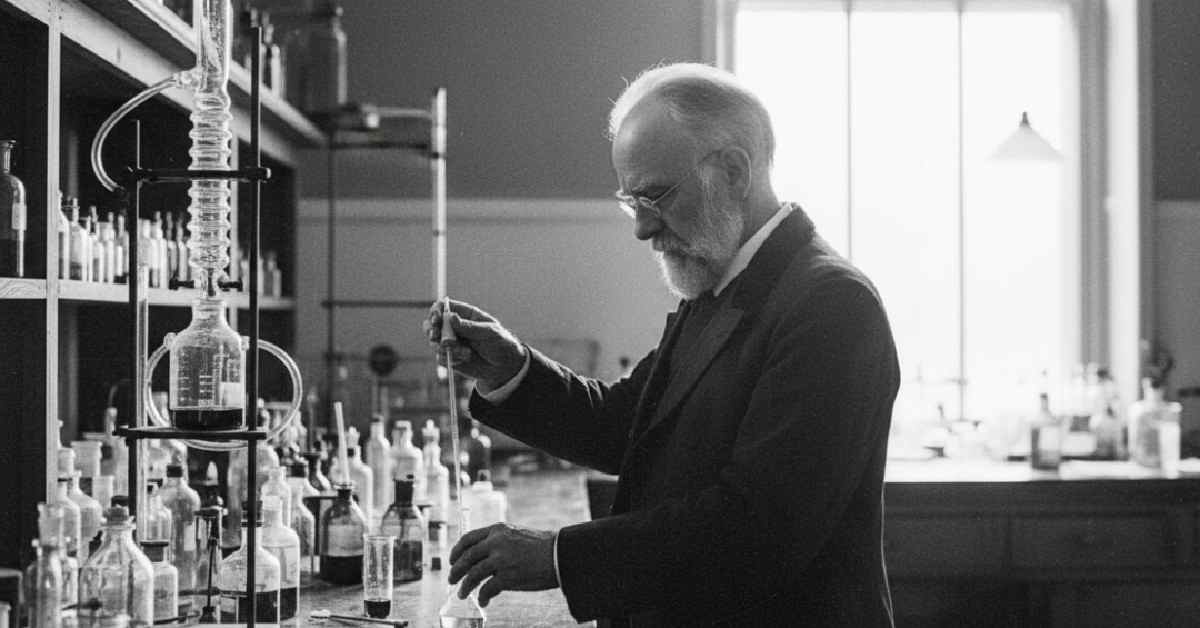
Laboratory-grown chocolate has arrived in Denmark, produced without cocoa trees or tropical farms. A Copenhagen startup is selling the world’s first commercially available cell-cultivated chocolate, marking a milestone that could reshape the troubled cocoa industry and challenge traditional chocolate production from West Africa.
Danish biotech company Morrow Chocolate has begun selling what it claims is the world’s first laboratory-grown chocolate to Danish consumers, bypassing cocoa trees entirely. The product, developed through cellular agriculture techniques similar to those used for cultivated meat, uses cocoa cell cultures grown in bioreactors to produce the fats, proteins, and flavor compounds that give chocolate its distinctive taste. As reported by TV2, the chocolate is now available in select Copenhagen stores, with plans for wider distribution across Denmark by summer.
The technology represents a radical departure from traditional chocolate making. Rather than harvesting cocoa pods from tropical farms, scientists extract cells from cocoa beans and cultivate them in controlled laboratory conditions. The cells multiply in nutrient-rich solutions, producing the same molecular compounds found in conventional chocolate without requiring land, pesticides, or the labor conditions that plague West African cocoa farms.
Timing and Crisis
This development arrives at a critical moment for the chocolate industry. Climate change has devastated cocoa production over the past two years, sending prices soaring and threatening supply chains. The global cocoa crop has suffered from drought, pod rot disease, and deforestation in major producing countries like Ivory Coast and Ghana, which together supply over half the world’s cocoa. I have watched chocolate prices climb steadily in Danish supermarkets since 2024, a visible reminder that climate disruption reaches into everyday life.
The crisis has sparked a wave of innovation in chocolate alternatives. Danish startup Endless Food Co. launched THIC, a cocoa-free chocolate substitute made from brewery waste, in Germany last September. Meanwhile, Spain successfully grew Europe’s first commercial cocoa crop in Málaga this year, proving that cocoa trees can thrive outside traditional tropical zones with greenhouse technology. But laboratory cultivation takes the concept further, eliminating agriculture altogether.
The Danish Innovation Context
Denmark has a track record in food technology that makes this breakthrough less surprising than it might seem elsewhere. The country’s biotech sector has contributed innovations ranging from cancer research pioneered by Johannes Fibiger to renewable energy systems developed by figures like Johannes Juul. The creative problem solving associated with Danish thinkers like Piet Hein continues in contemporary startups addressing food security and sustainability.
Morrow Chocolate says its product maintains the molecular profile of traditional chocolate while cutting environmental impact by more than 90 percent. The company claims production requires no deforestation, minimal water, and produces substantially lower carbon emissions than conventional cocoa farming. These are bold claims that warrant scrutiny as production scales, but the underlying science is sound. Precision fermentation has already brought laboratory-produced dairy proteins to American supermarkets since 2022, proving the commercial viability of cellular agriculture for complex food products.
Taste, Cost, and Acceptance
The critical question for any food innovation is whether people will actually eat it. Early taste tests suggest laboratory chocolate closely mimics conventional varieties, though some tasters report subtle differences in texture. That is hardly surprising given that chocolate flavor depends on hundreds of volatile compounds produced during fermentation and roasting. Replicating that complexity in a bioreactor is no small achievement.
Cost remains a barrier. Morrow’s chocolate currently sells for approximately three times the price of premium conventional chocolate, making it a luxury product rather than a mass-market alternative. The company expects prices to fall as production scales, following the trajectory of other cultivated foods. Whether Danish consumers will pay the premium for sustainability is an open question. This is a country where organic and ethical food products command significant market share, but economic pressures affect purchasing decisions just as they do elsewhere.
The regulatory landscape also poses challenges. EU novel food regulations require extensive safety testing before new food technologies reach consumers. Morrow reportedly completed this process, but wider adoption across Europe will depend on continued regulatory approval and public acceptance. Denmark’s relatively progressive stance on food innovation may give the company advantages in its home market that it will not find elsewhere.
Sources and References
TV2: Laboratoriedyrket chokolade er en realitetThe Danish Dream: Piet Hein art science philanthropyThe Danish Dream: Johannes Juul wind energy technologyThe Danish Dream: Johannes Fibiger cancer research